
Show summary Hide summary
- Origins of the 20-degree guideline and what it actually means for your AC
- When you can lower the thermostat more than 20 degrees
- Practical cooling tactics that ease strain on your AC
- Maintenance checklist that protects performance and reduces bills
- Warning signs your air conditioner needs professional attention
- How to decide between repair and replacement: the $5,000 rule explained
- How to set your thermostat wisely during heat waves
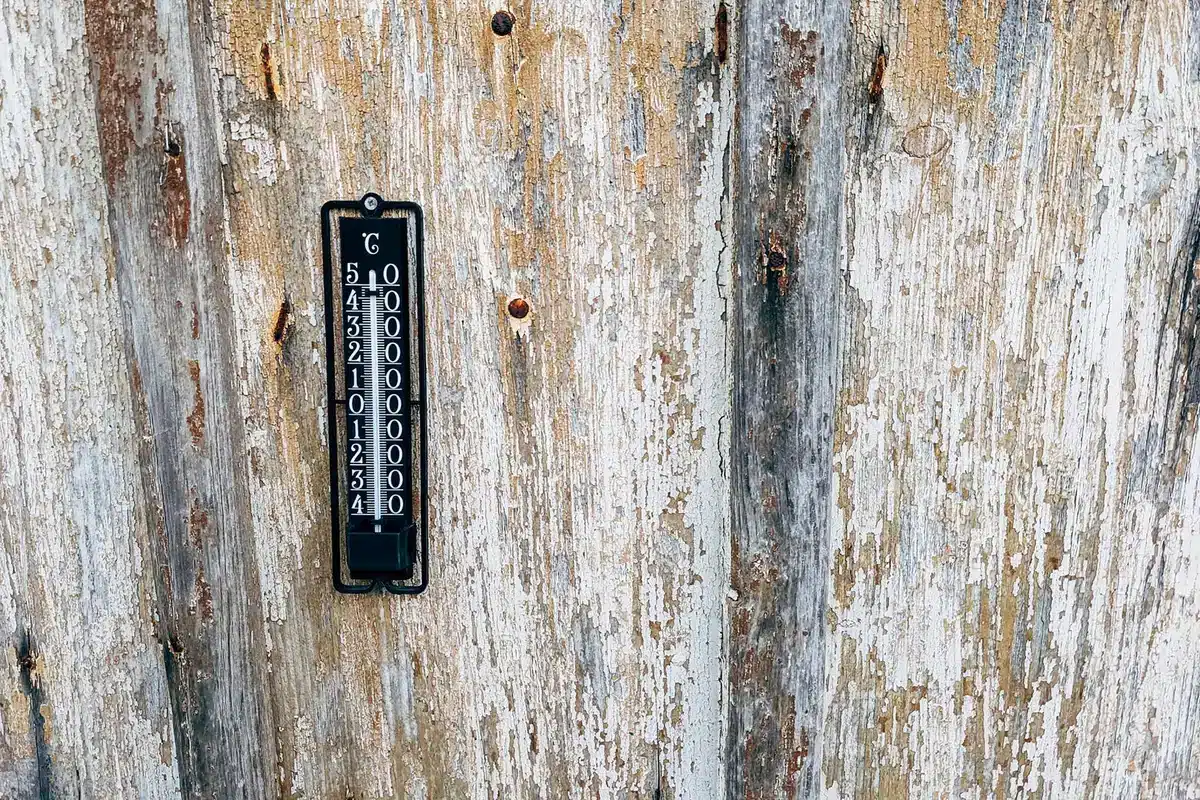
Thermostat arguments are a common household drama, but the technical side of cooling is less emotional and more practical. The so-called “20-degree rule” for air conditioners — a guideline that says you shouldn’t set indoor temperatures more than 20°F below the outdoor heat — circulates widely. The real answer depends on your AC, your home’s insulation, and how well you maintain the system.
Origins of the 20-degree guideline and what it actually means for your AC
Michaels holiday finds under $25: 20 new gifts that look like $50
Target wall-mounted find frees up countertop space: timeless style for small kitchens
The 20-degree idea grew out of simple engineering logic. Air conditioners remove heat from indoor air by passing it over cold coils filled with refrigerant. When the temperature difference between inside and outside grows large, the system must run longer to reach the setpoint.
That longer runtime can cause:
- greater energy use and higher bills;
- accelerated wear on mechanical parts;
- and, in poorly maintained units, potential performance problems.
But the number itself is a rule of thumb. Modern, properly sized systems in well-sealed homes can often handle greater temperature gaps without catastrophic consequences. The key variables are unit design, system age, insulation levels, and upkeep.
When you can lower the thermostat more than 20 degrees
Don’t assume the 20-degree limit is absolute. Many newer ACs are engineered to handle a 30–40°F drop from outdoor temperatures in typical U.S. climates.
Factors that make it safe to set a colder indoor target:
- Recent professional tune-ups and clean filters.
- Correctly sized equipment for your home’s square footage.
- Good insulation and sealed ductwork.
- Mild humidity levels that don’t overload cooling capacity.
Jim Foster, an HVAC expert at American Home Shield, notes that a well-maintained system should cool a house into the low-70s even during extreme heat. Maintenance and sizing matter more than a single number on a rule sheet.
Practical cooling tactics that ease strain on your AC
Lowering your thermostat is one way to get comfortable, but several low-cost habits can reduce demand on the system and improve efficiency.
Simple steps to keep rooms cooler
- Close blinds or drapes during peak sun to cut heat gain.
- Run ceiling or box fans to increase perceived coolness.
- Avoid using the oven or high-heat dryer cycles midday.
- Pre-cool the home in the morning before temperatures spike.
These measures let you keep the thermostat a few degrees higher while maintaining comfort. Fans and shading are free tools to lower perceived temperature.

Maintenance checklist that protects performance and reduces bills
Regular upkeep keeps cooling systems efficient and extends equipment life. Homeowners can do several important tasks themselves.
- Replace or clean filters every 1–3 months, depending on use.
- Keep supply and return vents clear of furniture and dust.
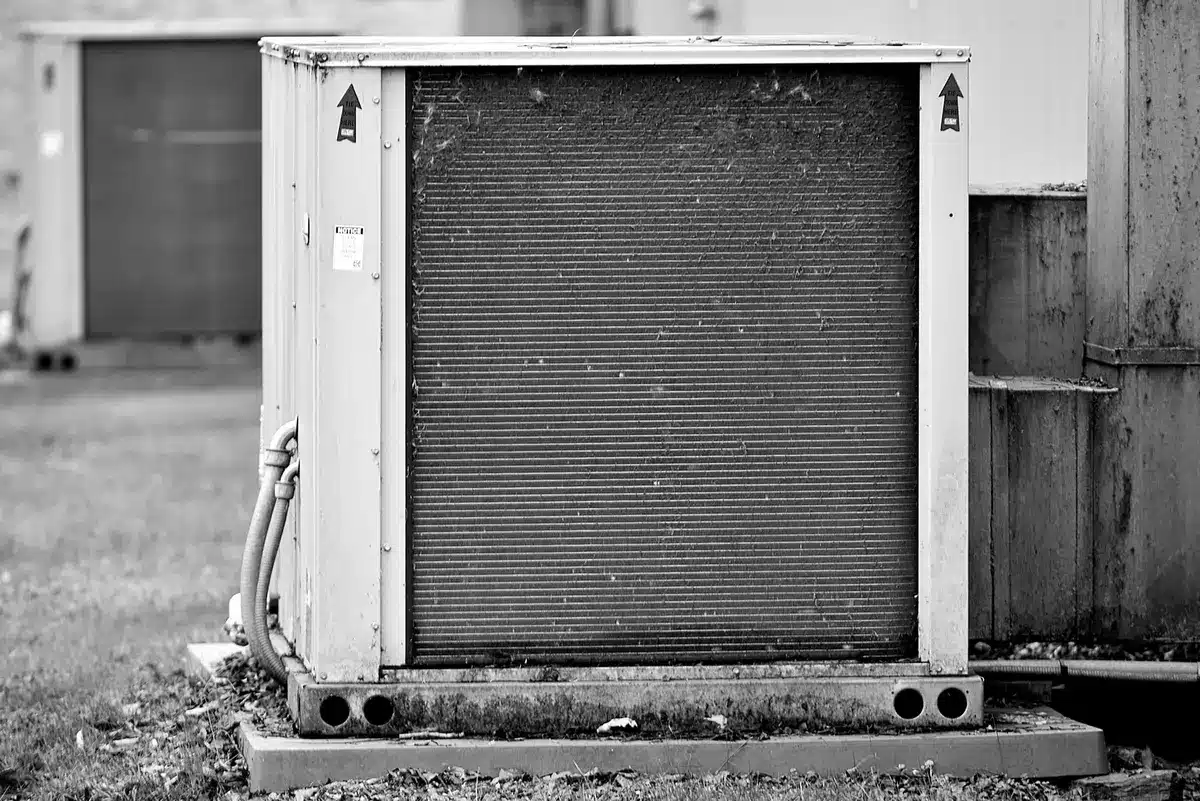
- Keep the outdoor condenser free of debris and plants.
- Schedule annual professional inspections and tune-ups.
Neglect increases runtime and energy costs. A clean, tuned system cools faster and wastes less electricity.
Warning signs your air conditioner needs professional attention
Even if you ignore the 20-degree rule, your AC will tell you when something’s wrong. Watch for these red flags.
- Unit runs continuously but never reaches the set temperature.
- Weak or uneven airflow from vents.
- Unusual sounds like clanking, grinding, or hissing.
- Ice forming on coils or refrigerant lines.
When you see these symptoms, call an HVAC technician. Catching problems early prevents bigger failures and higher energy bills. Angi reports the average service call runs around $350, so early diagnosis can save money over time.
How to decide between repair and replacement: the $5,000 rule explained
Major repairs can be costly. A practical guideline helps homeowners choose between fixing an aging system and buying new equipment.
Here’s the math:
- Multiply the estimated repair cost by the system’s age in years.
- If the result exceeds $5,000, replacement is usually the smarter option.
For example, a $600 repair on a 10-year-old system gives a total of $6,000, suggesting replacement may be more economical. This rule balances repair expense against remaining life and efficiency gains from a new unit.
How to set your thermostat wisely during heat waves
When outdoor temperatures soar, small strategy changes reduce stress on the AC and your budget.
- Set a reasonable target: raise indoor temperature a few degrees higher than usual during extreme heat.
- Use programmable or smart thermostats to cool only when needed.
- Combine shading, fans, and off-peak cooling to maintain comfort.
These choices lower runtime and can prevent overworking older equipment. In short, you can often go below the 20-degree guideline safely, but doing so without good maintenance or insulation raises risks.










