
Show summary Hide summary
As winter approaches, many homeowners consider shielding their outdoor air conditioner to prevent snow, leaves, and debris from piling up. That instinct makes sense, but HVAC pros caution that the wrong cover or method can harm the condensing unit more than help it. Read on to learn what risks to avoid and which simple steps actually protect your system through the cold months.
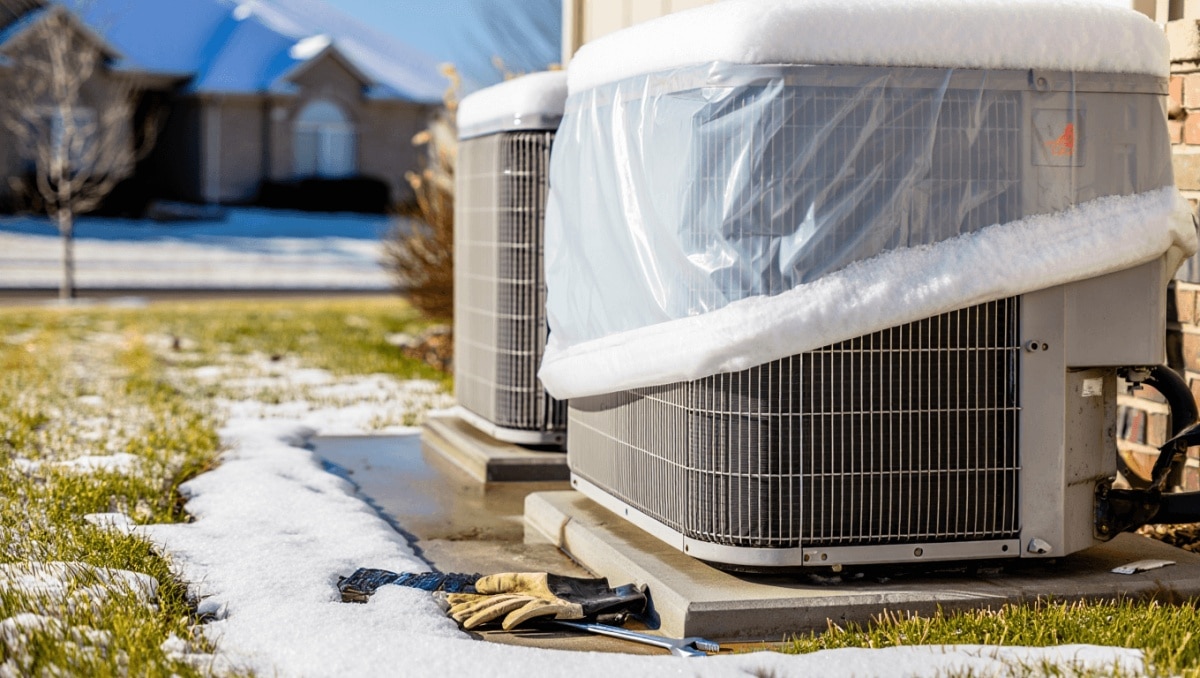
Why covering your outdoor AC in winter can do more harm than good
Outdoor condensing units are built to sit outside year-round. They tolerate rain, frost, and snow by design. Covering them tightly, however, interferes with how they operate and how they stay dry.
Michaels holiday finds under $25: 20 new gifts that look like $50
Target wall-mounted find frees up countertop space: timeless style for small kitchens
Key problems that can arise when you cover an AC unit:
- Moisture buildup: Traps under plastic or tarps lead to rust and corrosion of metal components.
- Blocked airflow: Covers can obstruct vents and air paths, stressing motors and reducing efficiency.
- Mold and mildew: Damp, poorly ventilated spaces invite mold growth that harms parts and air quality.
- Pest nesting: Small animals and insects can make a home in a sheltered unit, creating damage.
- Premature wear: Restricted airflow and trapped moisture speed up motor and compressor failure.
HVAC technicians report that well-meaning covers often create the very conditions they were meant to prevent. If you block ventilation, you risk higher repair bills and shorter equipment life.
Practical winter steps to protect your condensing unit and save energy
There are several safe, low-cost actions you can take to protect your AC without fully enclosing it. These keep the system dry and ready for the next cooling season.
Pre-winter checklist
- Turn off power to the outdoor unit if recommended in your owner’s manual.
- Clear leaves, sticks, and sediment away from the base and sides.
- Use a garden hose to rinse off dirt and debris, then let the unit air dry.
- Level the pad under the unit so water does not pool around it.
- Trim back shrubs or plants that block airflow.
When to call a professional
- If you hear unusual noises when restarting the system.
- If you detect visible corrosion, oil spots, or refrigerant leaks.
- For an annual tune-up and safety inspection before heavy winter weather.
Professional maintenance can catch small problems before they become costly failures.
Safe covering options and what to avoid
Complete wrapping with plastic sheeting or a sealed tarp is the usual mistake. Instead, choose solutions that keep debris out but allow moisture to escape.
Recommended choices
- Breathable mesh covers: Designed to block leaves and twigs while letting air pass.
- Top-only protection: A piece of treated plywood or a rigid cover placed over the unit prevents direct snow buildup.
- Elevated platforms: Raising the unit slightly prevents water pooling and ice contact at the base.
What to avoid
- Plastic tarps draped and secured around the entire unit.
- Sealing vents or gaps that are meant to ventilate the system.
- Using materials that trap condensation against metal parts.
Top-only shielding or breathable materials reduce risk while still protecting against debris.
Quick how-to: install a safe winter top cover
Follow these short steps for a secure, non-damaging top shield.
- Measure the unit’s footprint and cut a piece of exterior-grade plywood a few inches larger than the top.
- Attach small risers to the corners of the plywood so the cover sits slightly above the unit.
- Place the plywood centrally; do not fasten it to the unit.
- Clear snow and ice from the top periodically to prevent excess weight.
This method blocks falling debris while still allowing air and moisture to move freely.
Seasonal maintenance habits that protect your HVAC investment
Simple routine care only takes a few minutes and pays off with better efficiency and fewer repairs. Make these tasks part of your fall routine.
- Remove loose debris weekly until heavy snows arrive.
- Schedule a professional inspection in late fall.
- Keep the area around the unit free from compost piles or landscaping that attracts animals.
Keeping the unit clean, level, and ventilated is the best defense against winter damage.










