
Show summary Hide summary
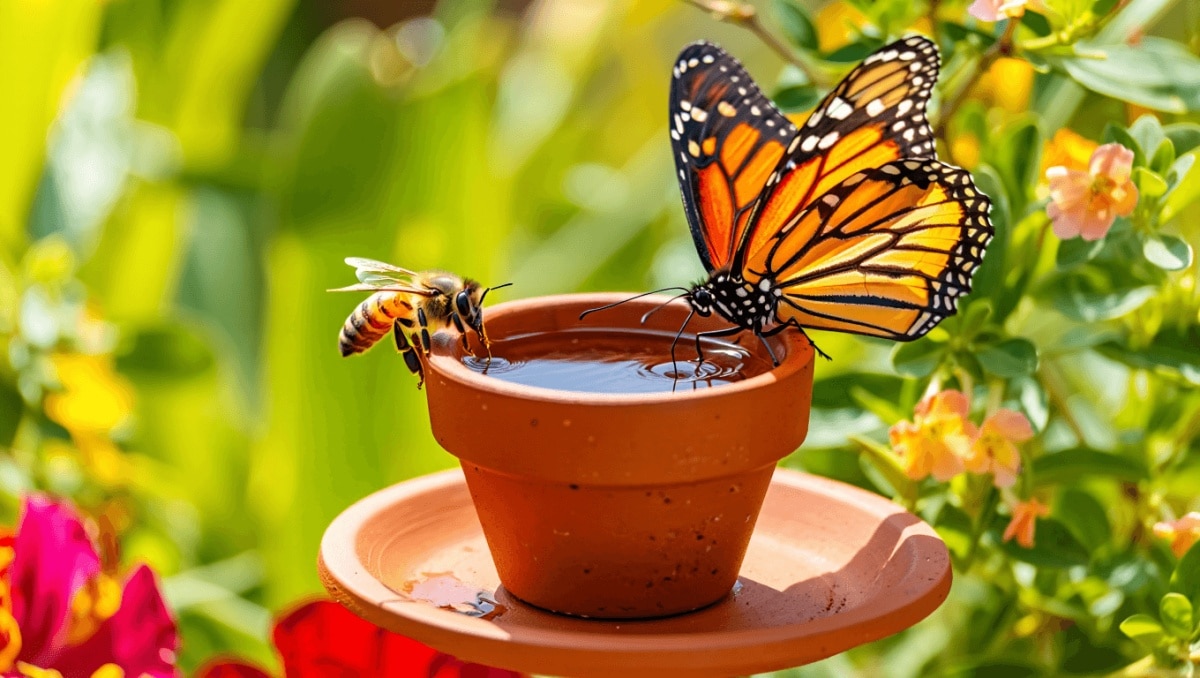
Hot afternoons in the garden reveal a simple truth: pollinators need water, too. A small DIY water station made from a terracotta pot and saucer gives bees and butterflies a safe place to drink, bask, and gather minerals. The project is quick, low-cost, and doubles as charming garden decor.
Why water matters for bees, butterflies, and other pollinators
Beyond nectar, many pollinators rely on water for survival. Bees use water to thin hardened honey, cool their hive, and help digestion. Butterflies sip moisture and extract salts and minerals from damp soil. Without shallow, safe water sources, insects may risk drowning in pools or scavenge unsafe spots.
Michaels holiday finds under $25: 20 new gifts that look like $50
Target wall-mounted find frees up countertop space: timeless style for small kitchens
Providing a shallow, stable drinking area can support local pollinator populations and improve your garden’s health.
Build a terracotta pollinator waterer — step by step
Materials you’ll need
- 1 terracotta pot and matching saucer
- Pressed flowers or botanical decorations (optional)
- Waterproof craft glue and a small paintbrush
- A handful of small stones, pebbles, or gravel
- Paint (optional) for personalization
How to assemble the station
- Wipe the pot and saucer to remove dust.
- Brush a thin layer of waterproof glue onto the outside of the pot.
- Gently press your pressed flowers into the glue.
- Coat the flowers with another thin layer of glue to seal them.
- Place the pot upside down in the chosen spot to form a small pedestal.
- Set the saucer on the pot’s base and fill it with stones until the saucer is shallowly filled.
- Add water so some stone tops remain dry for perching.
Stones let insects land and drink safely without falling into deep water.
Design and attraction tips to lure more pollinators
You can customize the station to match your garden’s look. Paint the pot in warm tones or let the natural terracotta show. Decorative pressed flowers make it inviting for you and blend with blooms.
- Use any pot size; larger saucers give more surface area.
- For butterflies, add a small patch of damp sand or mud for mineral uptake.
- Place overripe fruit nearby to attract butterflies with extra scent.
- A dash of salt in the water can draw more bees and butterflies seeking minerals.
Keep design practical: the stones must cover most of the saucer so insects never have to swim.
Maintenance, placement, and safety advice
- Empty and refresh the water every few days to keep it clean.
- Refill more often during heatwaves or dry spells.
- Change the water to prevent mosquito breeding and algae buildup.
- Position the station in sunlit or partially shaded spots near flowering plants.
- Make sure the saucer is stable on the upside-down pot to avoid tipping.
Place your waterer close to nectar sources to keep pollinators nearby. If butterflies ignore the dish, try moving it or adding fruit and mud as described above.
Quick variations and extra ideas
- Cluster several small stations to serve different species.
- Use colored stones to make perches more visible.
- Attach a shallow dish to a low stump or rock as an alternative pedestal.
- Create seasonal versions by changing decorations and scent baits.










