
Show summary Hide summary
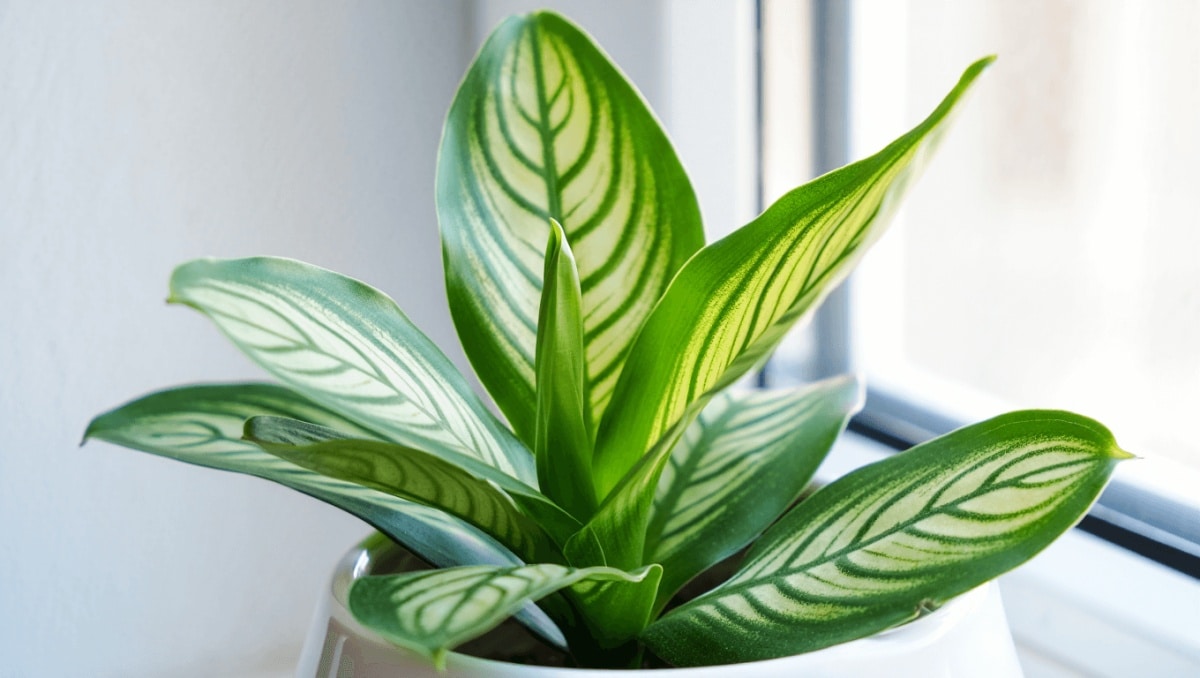
If you have a cool, dim corner by a north-facing window, you may be sitting on a perfect home for a dramatic, low-light houseplant. The Never Never, known botanically as Ctenanthe oppenheimiana, thrives where bright sun does not. Its striped leaves and nocturnal movement make it a living display, ideal for rooms that offer consistent soft light rather than harsh rays.
Why north-facing windows work so well for Never Never plants
North-facing windows provide steady, indirect illumination. That suits many understory rainforest plants.
Michaels holiday finds under $25: 20 new gifts that look like $50
Target wall-mounted find frees up countertop space: timeless style for small kitchens
- Soft light: No direct afternoon sun means the foliage retains vivid coloration.
- Steady exposure: The plant receives diffuse light throughout the day.
- Reduced scorching risk: Leaves are sensitive to strong sun and can fade or burn.
In nature, this species grows beneath taller trees. It gets dappled light for a few hours and shade the rest of the time. Mimicking that setting indoors gives the plant its best chance.
What makes the Never Never visually special
This plant stands out for its patterned leaves and dramatic undersides. Each leaf shows layers of green and cream on top. The undersides are often a reddish hue.
- Grows to roughly three feet in ideal conditions.
- Leaves fold upward at night, a behavior called nyctinasty.
- May produce small, subtle flowers when very healthy.
The nightly folding makes it feel almost animated. That movement, combined with bold variegation, makes the Never Never a focal point in dim rooms.
Essential care steps for Ctenanthe oppenheimiana
These plants can be picky. Meeting a few key needs prevents stress and keeps colors bright.
Light and placement
- Place near a north-facing window or a spot with consistent indirect light.
- Keep it away from direct midday sun to avoid leaf burn.
Temperature and humidity
- Keep temperatures above 60°F. Cooler conditions cause decline.
- Maintain medium to high humidity. Aim for 50% or higher if possible.
- Use humidifiers, pebble trays, or regular misting to raise moisture levels.
Soil and watering
- Use well-draining, moisture-retentive potting mix.
- Keep the soil consistently moist but not waterlogged.
- Water when the top inch of soil begins to dry, adjusting with seasons.
Air and ventilation
High humidity can increase mold risk in poorly ventilated rooms. Provide gentle airflow to avoid fungal problems while maintaining moisture.
Common issues and how to fix them
Even with care, problems can happen. Identifying the cause helps you act quickly.
- Brown leaf edges: Often from dry air or irregular watering. Raise humidity and check soil moisture.
- Faded or bleached leaves: Sign of too much direct sun. Move to a subtler light source.
- Drooping leaves: Could mean overwatering or cold drafts. Adjust temperature and drainage.
- Mold or rot: From stagnant air and excess moisture. Improve ventilation and reduce watering frequency.
Regularly remove dead foliage and check for pests like spider mites or scale. Clean leaves occasionally to help them breathe and absorb light better.










