
Show summary Hide summary
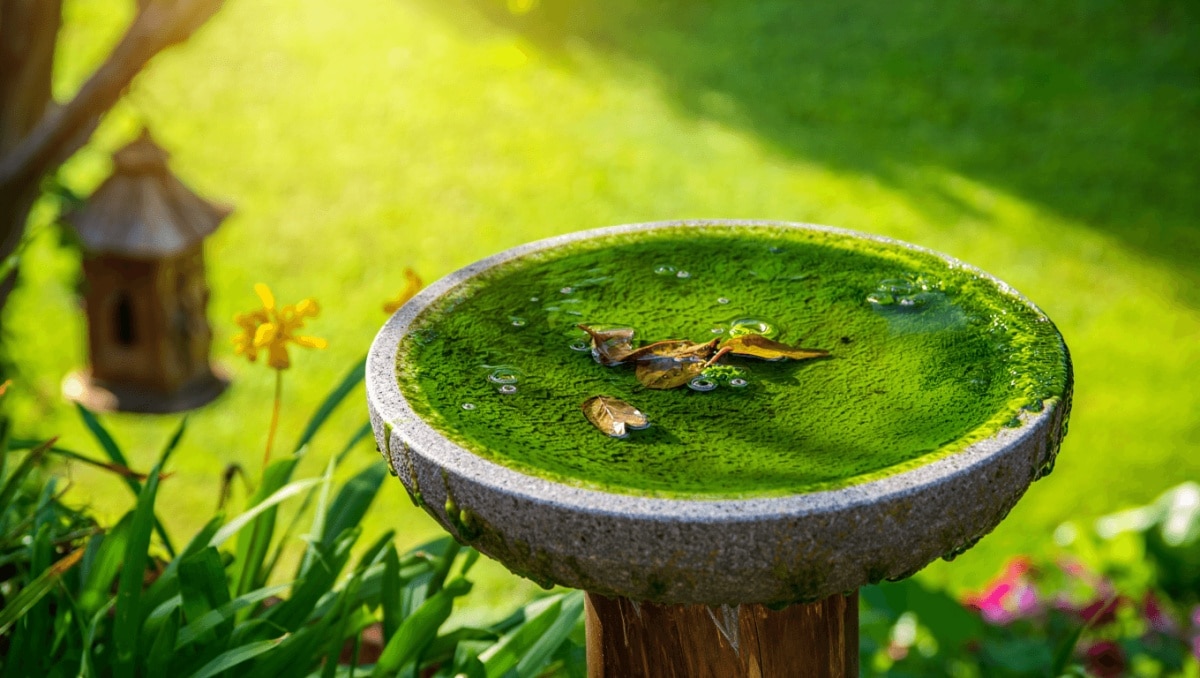
A slimy green film in your backyard birdbath can chase away feathered visitors and raise health concerns. The good news: most cases of birdbath algae are easy to fix. With a few safe supplies, a simple cleaning routine, and a little attention to placement and water turnover, you can keep the basin inviting for birds and free of unsightly growth.
Step-by-step: Clean algae from a birdbath without harming birds
Clean the birdbath as soon as you notice discoloration. Avoid harsh household chemicals that can linger and damage birds’ feathers or skin.
Michaels holiday finds under $25: 20 new gifts that look like $50
Target wall-mounted find frees up countertop space: timeless style for small kitchens
- Empty the basin. Remove all water and any loose debris.
- Mix a vinegar solution. Use 1 part white vinegar to 9 parts water.
- Scrub gently. Use a small scouring brush or nonabrasive pad to remove algae from all surfaces.
- Rinse thoroughly. Run clean water until no vinegar smell remains.
- Repeat if needed. Stubborn stains may require another scrub cycle.
Do not use bleach, dish soap, or commercial cleaners. These can strip natural oils from feathers or leave residues that harm birds.
Placement and conditions that slow algae growth in birdbaths
Algae thrive in warmth, sunlight, and still water. Changing the environment around your birdbath limits their advantage.
- Move the birdbath to partial shade when possible.
- Elevate or relocate the basin away from overhanging trees that drop pollen and leaves.
- Introduce gentle water movement, such as a dripper or small fountain, to reduce stagnation.
Shaded spots cut down on photosynthesis. Moving your birdbath just a few feet can make a big difference.
Daily and weekly care routine to prevent algae and pests
Regular maintenance reduces algae build-up and keeps water fresh for birds.
- Daily in summer: Replace water every day when temperatures are high.
- Every other day in mild weather: Refresh the water to remove pollen and debris.
- Weekly cleaning: Empty, scrub with vinegar solution, and rinse.
- After storms: Check for leaves and muddied water; clean as needed.
Frequent water changes also help limit mosquito breeding and lower disease risk among birds.
Tools, supplies, and small upgrades that help
- Garden hose with spray nozzle for initial rinsing.
- Small scrubbing brush or stiff-bristle brush for corners.
- White vinegar and a measuring container for the cleaning mix.
- Optional: a simple dripper, fountain pump, or bubbler to keep water moving.
Choose materials that are easy to clean. Concrete and stone can stain more easily than glazed ceramic or metal, so inspect those basins more often.
Why keeping the birdbath clean matters for wild birds
Birds rely on freshwater for drinking and bathing. Dirty water discourages visits and can transmit illnesses.
- Algae can hide bacteria and parasites.
- Contaminated water stresses birds and reduces preening effectiveness.
- Clear, fresh water attracts more species and supports healthy behavior.
Prompt cleaning and consistent care protect birds and preserve the enjoyment of watching them.










