
Show summary Hide summary
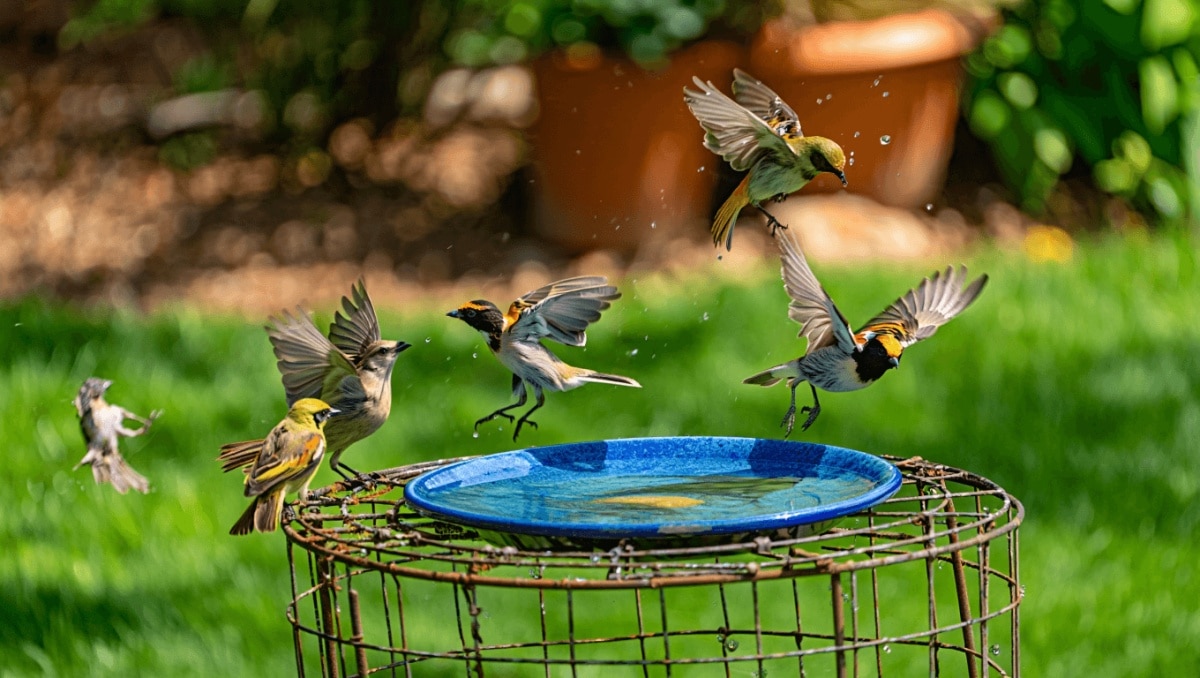
Seeing birds visit a backyard never gets old. If you want more feathered neighbors, water often trumps elaborate feeders. A shallow, clean puddle is what most birds need. With a retired tomato cage, a shallow saucer, and a heavy pot, you can build a low-cost, attractive birdbath that birds will use daily.
Why a simple birdbath draws more birds than fancy designs
Birds prioritize safety and access over ornate features. They look for shallow water, a nearby perch, and a clear view to spot predators. That makes a humble birdbath just as effective as an expensive sculpted basin.
Michaels holiday finds under $25: 20 new gifts that look like $50
Target wall-mounted find frees up countertop space: timeless style for small kitchens
Shallow water and cleanliness matter most. A one-inch depth lets small birds splash and drink without danger. Regularly refreshed water keeps bacteria and mosquitoes at bay.
What you’ll need to convert a tomato cage into a birdbath
- One sturdy tomato cage, metal or coated to resist rust
- A round saucer or plant tray that matches a ring on the cage
- A large, heavy flowerpot to act as the base
- A rock or two to weigh the saucer and provide perches
- Wire cutters and pliers for trimming metal if needed
- Optional: spray paint, sandpaper, and gloves
Choose items that fit together. Plant saucers come in terracotta, plastic, and composite stone. Pick one that nests snugly inside a ring of the cage.
How to assemble the tomato cage birdbath, step by step
- Inspect the tomato cage for broken welds. Replace any cage with structural damage.
- Match the saucer to a circular ring on the cage. The saucer should sit level and secure.
- If the top ring interferes, remove it carefully with wire cutters.
- Place a heavy rock in the saucer to keep it stable and give birds a dry perch.
- Push the cage legs into the large flowerpot. The pot should be heavy enough to anchor the structure.
- Fill the saucer with water to about one inch deep and set the birdbath in place.
Safety tip: Make sure the saucer rests firmly and cannot tip when a bird lands.
Best placement and upkeep to keep birds returning
Where to put your birdbath
- Pick a spot with nearby branches for perching and preening.
- Avoid dense shrubs that conceal predators.
- In summer choose partial shade; in cool months move it to sunny areas.
How to maintain the water
- Change the water every two days or sooner if it gets dirty.
- Scrub the saucer weekly to prevent algae buildup.
- Keep water depth at about one inch for small songbirds.
Consistency makes a difference. Birds learn reliable water sources and return frequently when conditions are safe and clean.
Creative upgrades and safety considerations for your garden
- Paint the cage with outdoor paint for a fresh look. Sand and prime if needed.
- Add small stones or driftwood in the saucer for better footing.
- Anchor the flowerpot with gravel or soil if your yard is windy.
- Avoid pesticides or garden cleaners near the birdbath.
- In freezing weather, use a heated birdbath insert or swap water daily to prevent ice.
If you have an extra tomato cage, convert it into a feeder and place it near the birdbath. Birds often use both food and water sources together, increasing wildlife visits.










