
Show summary Hide summary
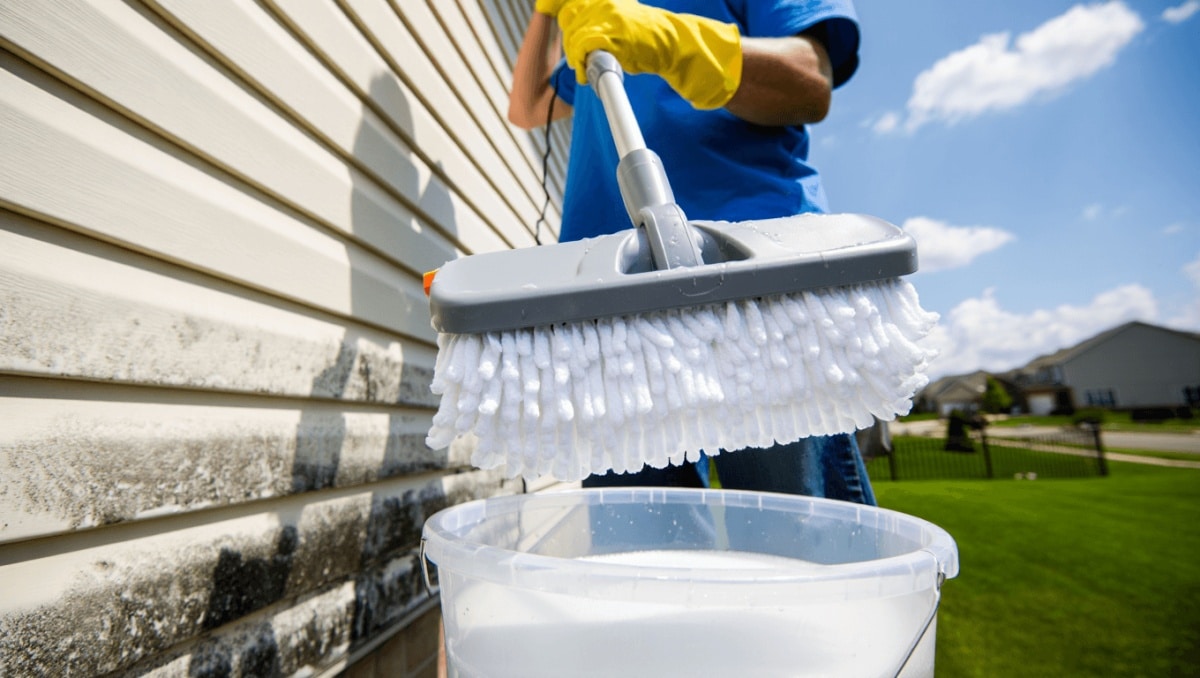
Dirty siding steals curb appeal and invites rot, but you don’t need a pressure washer to remove grime. A simple DIY method using a spin mop, a gentle oxygen bleach cleaner, dish soap, and warm water can lift dirt, mold, and mildew without blasting fragile materials. The approach is budget-friendly, safer for many siding types, and fast when you follow the right steps.
Why many homeowners skip the pressure washer
Power washers are powerful for a reason. That high-pressure stream can gouge wood, strip paint, and force water behind lap siding. For vinyl and older boards, the risk grows.
Michaels holiday finds under $25: 20 new gifts that look like $50
Target wall-mounted find frees up countertop space: timeless style for small kitchens
- Potential damage: High pressure can crack or peel surfaces.
- Cost and time: Renting or hiring adds expense and prep time.
- Learning curve: Effective use requires skill to avoid harm.
Using a gentler, manual method protects finish and paint while cleaning effectively.
What you need: simple supplies for an effective clean
The kit is basic and easy to source. Most items cost less than a pressure-wash rental.
- Spin mop with a long handle
- Large bucket or two-bucket system
- Dish soap (mild, clear)
- Oxygen-based bleach (for mold and mildew)
- Warm water
- Garden hose with spray nozzle
- Rubber gloves and safety glasses
Tip: Test the cleaner on a hidden patch to check colorfastness.
Step-by-step: cleaning siding with a spin mop
Prepare the mixing solution
- Fill the bucket with warm water.
- Add a squirt of dish soap and a measured scoop of oxygen bleach.
- Stir until dissolved and avoid splashing.
- Soak the mop head briefly so it absorbs the solution.
Measure according to product directions. Too strong a mix can harm paint or trim.
Scrub method and rinsing strategy
- Work in sections no wider than a single siding panel.
- Start at the bottom and move upward to prevent dirty drips.
- Scrub gently with the mop head using short back-and-forth strokes.
- Rinse each section immediately with the hose after scrubbing.
Rinse promptly: Letting cleaning solution dry on the siding can leave residue or cause streaks.
How often to clean and what to inspect
Routine cleaning every six months keeps problems small. Each cleaning is also a chance to inspect the exterior.
- Look for cracks, loose boards, or chipped paint.
- Check caulking around windows and doors.
- Watch for dark streaks that could indicate mold or algae.
Repair visible damage before deep cleaning. Scrubbing over broken spots can push water into gaps and cause rot.
Handling stubborn stains and plant residue
Some marks need extra attention. Ivy, rust, and old plant suckers often resist mild cleaning.
- Rust stains: Apply white vinegar to the spot, let sit briefly, then scrub.
- Mold or mildew: Increase oxygen bleach slightly, test first.
- Ivy residue: Manual scraping or a stiffer brush may be required.
For extreme buildup, a professional service or careful pressure washing may be the safer option.
Safety and smart habits for exterior cleaning
Protect plants and yourself. Cover shrubs near the house and wear gloves and eye protection.
- Keep ladders stable and don’t overreach.
- Avoid cleaning on very hot, sunny days to reduce streaking.
- Use a second bucket of clean water to rinse the mop as needed.
Small safeguards make the job faster and reduce the chance of damage.










