
Show summary Hide summary
Many homeowners and DIYers use “cement” and “concrete” like they mean the same thing. They don’t. Understanding the difference helps you pick the right material for repairs, new builds, or decorative projects.
What distinguishes cement from concrete: basic definitions
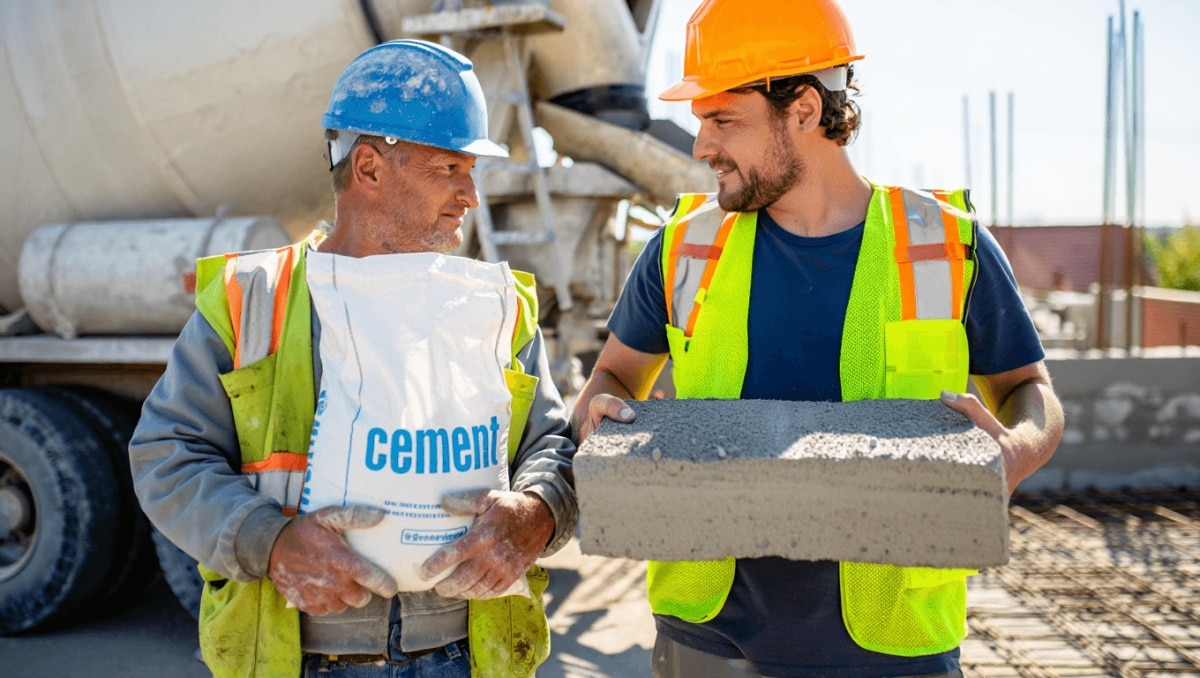
At its core, cement is a powdery binder. It becomes sticky when mixed with water and helps particles stick together. Concrete, by contrast, is a composite made when cement, water, and aggregates combine and harden.
Michaels holiday finds under $25: 20 new gifts that look like $50
Target wall-mounted find frees up countertop space: timeless style for small kitchens
How cement is made
- Quarried limestone and other minerals are ground and heated in a kiln.
- The heated mix is cooled and crushed into a fine powder.
- Portland cement is the most common type used in buildings.
What concrete contains
- Cement acts as the glue.
- Water activates the cement and starts curing.
- Aggregates like sand, gravel, or crushed stone give volume and strength.
In short: cement is an ingredient; concrete is the finished material.
Durability and lifespan: why concrete lasts longer
When you ask which is longer-lasting, the practical answer is concrete. It gains strength as it cures and can carry loads. Cement on its own lacks structural integrity.
- Concrete foundations can last a century or more with proper design.
- Driveways often last 20–40 years depending on traffic and climate.
- Mortar (cement plus sand) is durable for joining masonry but not for heavy loads.
Different concrete mixes perform differently. For example, exposed-aggregate mixes add toughness for driveways and patios. Cement alone won’t hold up under repeated stress or exposure.
Factors that change how long concrete will last
Several variables affect lifespan. Understanding them helps you choose materials and avoid premature failure.
- Mix design — water-to-cement ratio and aggregate quality matter.
- Reinforcement — steel rebar or fibers reduce cracking.
- Environmental exposure — freeze-thaw cycles and deicing salts accelerate deterioration.
- Installation quality — proper compaction and curing are essential.
- Maintenance — sealing, cleaning, and timely repairs prolong life.
Good design and maintenance often matter more than the brand of cement or concrete.
When to use cement and when to use concrete
Choose the material based on function, not just name.
- Use concrete for structural elements: foundations, slabs, driveways, and load-bearing walls.
- Use cement as part of mixes for mortar, grout, or patching compounds.
- Use special concrete mixes for decorative work: stamped, colored, or exposed aggregate.
- Use cement-based mortar for laying bricks, building small garden walls, or repairing chips.
For quick fixes, cement-based patching products are convenient. For long-term projects, concrete is the correct choice.
Practical tips to maximize concrete longevity
- Order the right mix for the job; avoid excess water in the mix.
- Use reinforcement where loads or movement are expected.
- Cure concrete properly for several days to develop strength.
- Apply sealers to prevent water intrusion and chemical damage.
- Ensure good drainage around slabs and foundations.
- Repair cracks promptly with compatible materials and bonding agents.
Small, regular maintenance beats expensive replacements.










