Show summary Hide summary
October is not the end of the gardening year. It is a smart window to plant cool-season annuals that reward you with spring blooms, winter interest, or early-season cut flowers. With a little planning and the right choices, you can turn beds and containers into vivid color zones while summer plants rest.
Why fall is a smart time to plant cool-season annuals
Toilet paper hack: turn an empty detergent bottle into a cute bathroom holder
Dusty wreaths: 5 clever ways to spruce up your front porch in 2026
Planting in October gives many annuals time to develop roots before cold sets in. Fall soils are still warm, making germination easier. Rain can help seedlings establish without heavy irrigation. And pests tend to be less active in cooler weather.

- Root development: Cooler nights and warm soils encourage deep roots.
- Vernalization: Some seeds need a period of chill to flower well.
- Lower pest pressure: Fewer chewing insects and fungal outbreaks.
Know your hardiness zone. In zones 8 and warmer, many cool-season annuals can be sown or transplanted in October. In zones 6–7, use microclimates, containers, or delay sowing for best results.
Fragrant and cut-flower picks to sow or plant in October
Sweet pea — fragrant spring bouquets
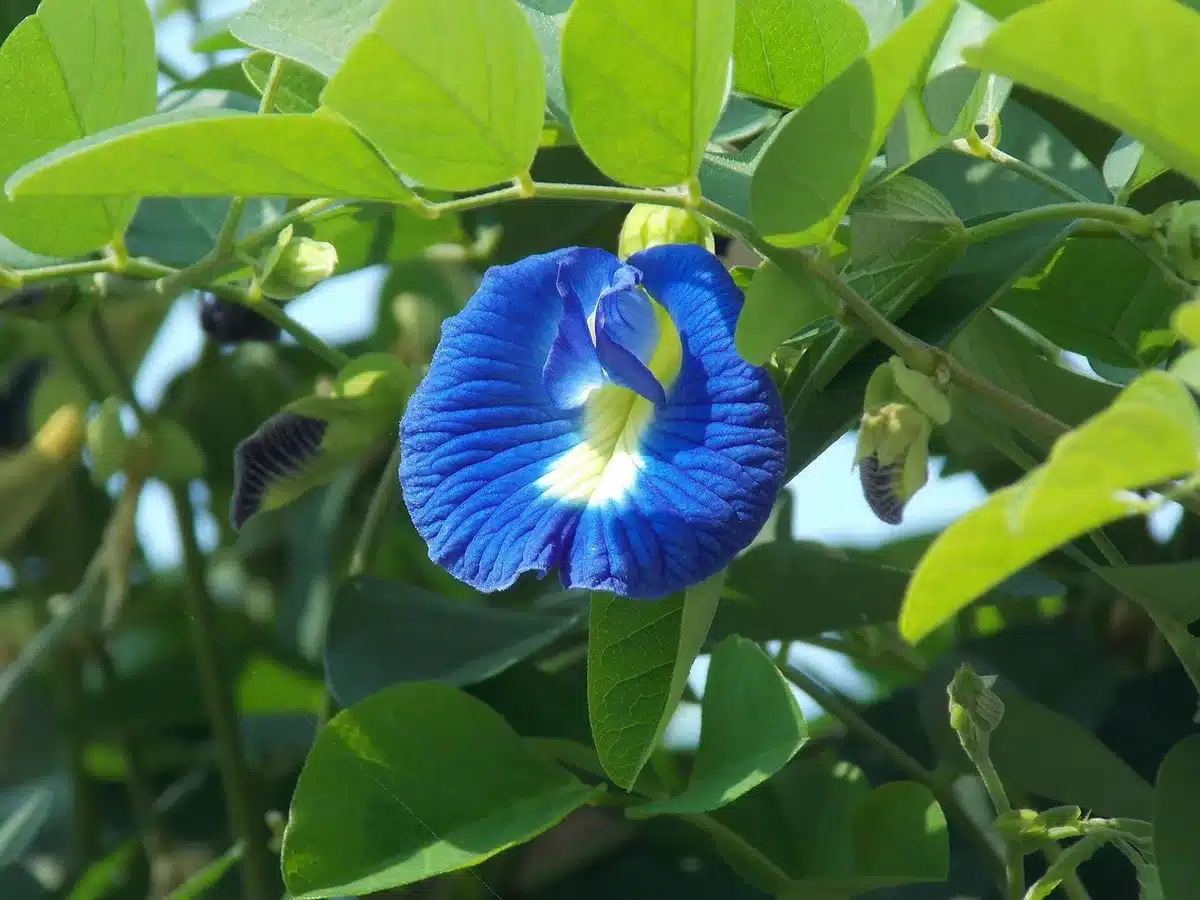
Sweet peas deliver scent and long stems for vases. They thrive when sown in cool soils and given a trellis to climb.
- Best for zones 8–10 when sown in October; in colder zones, start late winter.
- Soak seeds overnight to speed germination.
- Plant in full sun and fertile, well-drained soil.
- Regular cutting encourages more blooms and reduces seed set.
Giant larkspur — tall spikes for drama
Consolida seed sown in fall establishes slowly and bursts into vertical color in spring. Hummingbirds and bumblebees love the nectar.
- Plant seeds in October in mild climates to meet cold stratification needs.
- Expect 3–4 foot stems; give support in exposed sites.
- Deadhead spent flowers to lengthen display.
- Provide afternoon shade in hot summers to prevent scorch.
Love-in-a-mist (Nigella) — airy, whimsical blooms
Nigella is a quick self-seeder with delicate, lacy bracts and attractive seed pods. It prefers being sown directly where it will mature.
- Sow in garden soil in October for spring color.
- Can tolerate light frost, even as seedlings.
- Stagger sowings every few weeks to extend bloom time.
- Removing faded flowers can trigger rebloom, but reduces decorative seedheads.
Bells of Ireland — architectural, green spikes
Moluccella produces striking stacked calyces that add texture to arrangements. Seeds need cool treatment to germinate reliably.
- Sow in October where winters are mild to meet stratification needs.
- Plant in well-draining soil with full sun.
- Wear gloves when handling; some varieties have stiff spines.
- Use in bouquets for long-lasting stems and unique form.
Iceland poppy — delicate, long-stemmed flowers
These poppies offer soft petals in white, yellow, and rose tones. They pair well with spring bulbs for layered color.
- Sow October–November for spring blooms in mild climates.
- Tolerates hard frosts better than many annuals.
- Thin seedlings so crowns have room to form.
- Attracts pollinators but can be toxic to pets.
White lace flower — airy filler with long stems
Orlaya makes elegant, flat-topped white blooms that mimic small hydrangea clusters. Plants are excellent for cutting.
- Sow seeds on well-drained soil in October.
- Expect blooms in about three months.
- Long stems make it ideal for vases; flowers last up to 10 days cut.
- Tolerates light frosts but fades once temperatures rise above 80°F.
Colorful bedding plants and long-season performers for autumn planting
Pansies — winter color and repeat bloom
Pansies are garden workhorses for cool weather. Choose compact, bloomless plugs in October for the best spring performance.
- Plant seedlings rather than stressed retail plants.
- Keep soil consistently moist and feed regularly.
- They tolerate light freezes and rebound in mild winters.
- Cool Wave series offers extended bloom periods.
Johnny jump-ups — pint-sized, prolific violas
Viola tricolor blooms profusely and resists heat better than larger pansies. They are perfect for edging and containers.
- Plant in October to establish roots for spring color.
- Mulch and water to protect against deep freezes.
- Deadhead through the season to prolong flowering.
- Allow some plants to set seed for self-sowing and reduced replanting.
Bachelor’s button (cornflower) — true blue for wildflower mixes
Centaurea gives classic blue flowers that look great in meadows and mixed borders. It is a reliable self-seeder.
- Sow seeds in sunny, well-draining soil in October in warm zones.
- Plants grown in fall often produce sturdier stems in spring.
- Deadhead to control self-seeding, if desired.
- Attracts birds and pollinators with showy seedheads.
Amazon dianthus — compact, colorful border plants
Hybrid dianthus varieties are heat-tolerant and bloom well through cool seasons. They offer clove-like fragrance in some cultivars.
- Transplant in October for fall and spring interest.
- They tolerate warmth better than many dianthus types.
- Provide full sun and good drainage to avoid rot.
- Expect to replace plants if they decline in the heat of summer.
Pouch nemesia — delicate, orchid-like blooms for containers
Nemesia thrives in cool, moist, organically rich soils. It makes a dramatic display in hanging baskets.
- Plant in semi-shade with consistent moisture.
- Prune back by half to encourage new growth.
- Best in frost-free winters where it acts as a winter annual.
- Prefers moderate humidity; avoid hot, humid spots.
Edible and foliage-focused annuals to plant in October
Ornamental kale and cabbage — seasonal foliage splashes
These brassicas offer rosettes of magenta, white, and cream that persist through cold months. They often survive temperatures below freezing.
- Plant seedlings or mature transplants in October; seeds are usually too late.
- They slow above 60°F and thrive in cool weather.
- Use as a focal point in winter beds or container arrangements.
- They are edible, but many gardeners grow them for color.
Bright Lights Swiss chard — edible color for fall beds
Bright Lights stands out with neon stems and lush leaves. It combines edible value with strong visual interest.
- Sow or transplant in October in full sun.
- Seeds germinate above 40°F; maturity is around 55 days.
- Bolting can occur under prolonged cool stress.
- Harvest leaves continually to promote new growth.
Pot marigold (Calendula) — edible blooms and pest-repellent borders
Calendula provides golden flowers through cooler months. Petals can flavor dishes and add color to salads.
- Plant in October in zones 8 and warmer.
- Use in pollinator patches to attract butterflies.
- Plants can deter some pests and are deer-resistant.
- Leave a final set of blooms to self-sow for next year.
Low-maintenance wildflowers and self-seeders for autumn sowing
California poppy — drought-tolerant gold in the spring
Eschscholzia loves poor, sunny soils and will carpet beds with orange in spring. It suits naturalized areas and slopes.
- Sow in October if frost is unlikely for three weeks.
- Deadhead to extend bloom, but save seeds for reseeding.
- May persist as a perennial in zones 8–10.
- Watch for aphids; tolerates light freezes but not deep freezes.
Baby blue eyes — delicate blue wildflower for cool climates
Nemophila offers bowl-shaped blue flowers that charm borders and containers. It tolerates light foot traffic and mixes well with bulbs.
- Sow in October in zones 8–10 for early spring color.
- Plants prefer cool nights around 65°F.
- Allow plants room to avoid overcrowding and mildew.
- Contain in pots if you want to limit spread in the landscape.