
Show summary Hide summary
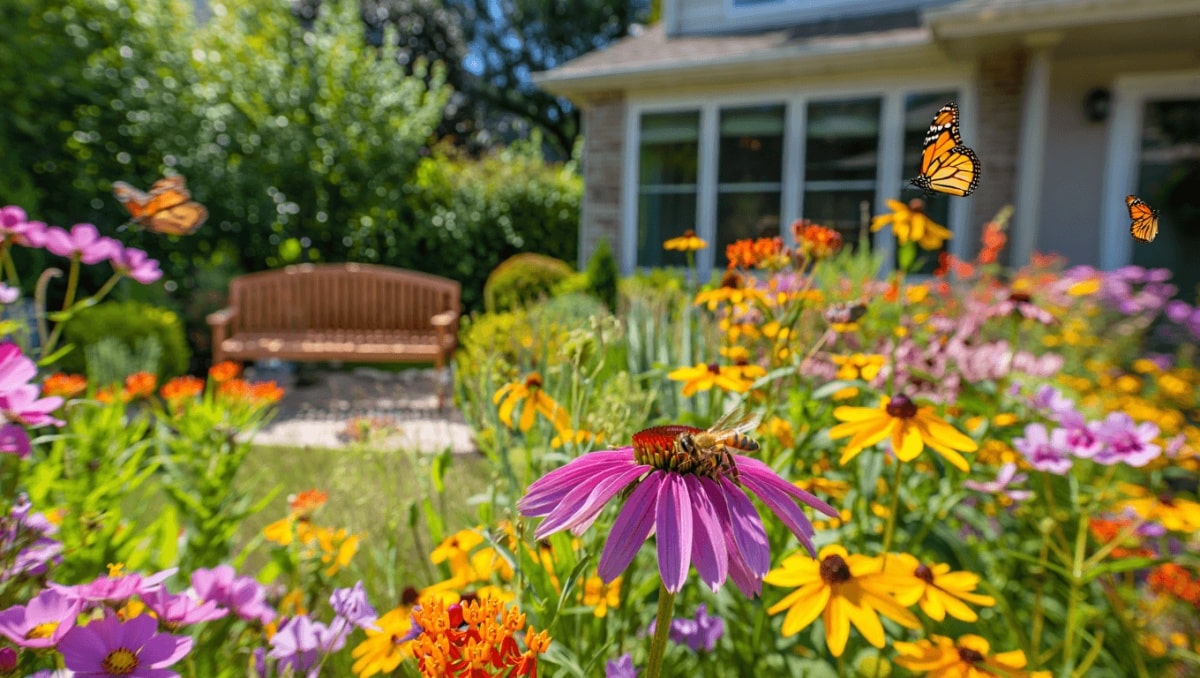
Imagine stepping into your yard and trading uniform turf for a tapestry of color, movement, and the hum of native insects. Converting even a small lawn into a wildflower meadow brings months of blossoms, fewer chores, and a quiet but striking habitat for bees, butterflies, and hummingbirds. This guide walks you through practical choices and simple steps to make that transformation, whether you have a postage-stamp front yard or an acre to spare.
Why replace grass with a wildflower meadow
Lawns demand regular mowing, watering, and fertilizing. A meadow, once established, asks for far less daily care and rewards you with biodiversity.
Michaels holiday finds under $25: 20 new gifts that look like $50
Target wall-mounted find frees up countertop space: timeless style for small kitchens
- Lower ongoing maintenance: No weekly mowing across the whole area.
- Better for wildlife: Flowers supply nectar, pollen, and shelter for pollinators.
- Seasonal interest: Mixed species bloom across months, not days.
- Reduced water and chemical inputs in most climates.
Pick the right plants for your place
Choosing species adapted to your region is the single best decision you can make. Native wildflowers cope with local soils and weather and support native insects.
What to look for
- Local wildflower mixes or regional seed blends.
- Perennials that return year after year, plus some annuals to fill gaps.
- Plants that bloom at staggered times for continuous nectar.
Popular garden performers include coneflowers, black-eyed Susans, bee-friendly salvias, and lupines in cooler coastal or northern sites. But always favor species native to your state or ecoregion.
Prepare the lawn: methods that work
Wildflowers need exposed soil to take root. You cannot just toss seed on dense turf and expect success.
Common ways to remove grass
- Sod removal: Dig or use a sod cutter to strip grass and thatch. Fast but labor intensive.
- Sheet mulching: Lay cardboard or thick paper, cover with compost and mulch, and starve the grass. Slower but low-cost and low-disturbance.
- Solarization: Cover with clear plastic in hot months to bake the turf. Works best in sunny climates.
Choose the approach that fits your time, budget, and soil conditions. For large tracts, farm equipment speeds the job. For small yards, sheet mulching is gentle and effective.
Sowing seeds and first-season care
Timing and technique matter. Early spring or fall are the ideal windows in most regions.
- Lightly rake the prepared soil to create a seed bed.
- Mix small seeds with sand for even distribution.
- Broadcast the seed by hand, then press seeds into the soil by tamping with your feet or a roller.
- Do not add fertilizer: Many wildflowers prefer lean soils and will be outcompeted in rich ground.
- Keep soil consistently moist for the first two weeks to boost germination.
Seedlings often appear in six to eight weeks. Expect patchiness the first year; persistence pays off as plants reseed and fill in.
Practical tips for year-round success
Meadows require different routines than lawns. Adopt simple yearly habits to protect plant diversity.
- Create walkways: Mow narrow paths to protect blooms and soil structure.
- Annual cut-back: Mow or cut the meadow once a year in late fall to reduce woody buildup and promote reseeding.
- Avoid pesticides that harm pollinators.
- Monitor invasive grasses and remove them early by hand or targeted mowing.
Regulations, aesthetics, and neighbors
Before you begin, verify local rules and homeowners association standards. Some communities have limits on height or appearance.
- Check municipal ordinances for permitted planting heights.
- Inform neighbors or place short mown borders to keep the meadow tidy.
- Use signage if needed to explain the purpose: habitat, water savings, or native planting.
Design ideas and planting palettes to try
Combine colors, heights, and bloom times to create a living composition that pleases the eye and pollinators alike.
- Early season: spring ephemeral bulbs and native annuals.
- Peak summer: coneflowers, bee balm, and black-eyed Susans.
- Late season: asters and goldenrods to extend nectar supplies into fall.
Group plants in drifts rather than single specimens for a natural look. Add a few shrubs or native grasses for vertical structure.










