
Show summary Hide summary
- Why upcycle plastic tubs into backyard bird feeders
- Best containers to choose and how to prepare them
- Tools and adhesives that work best
- Build a basic platform feeder in simple steps
- Add a seed dispenser for longer refills
- Design ideas, decoration, and safety tips
- Where to hang your new upcycled feeder and how to maintain it
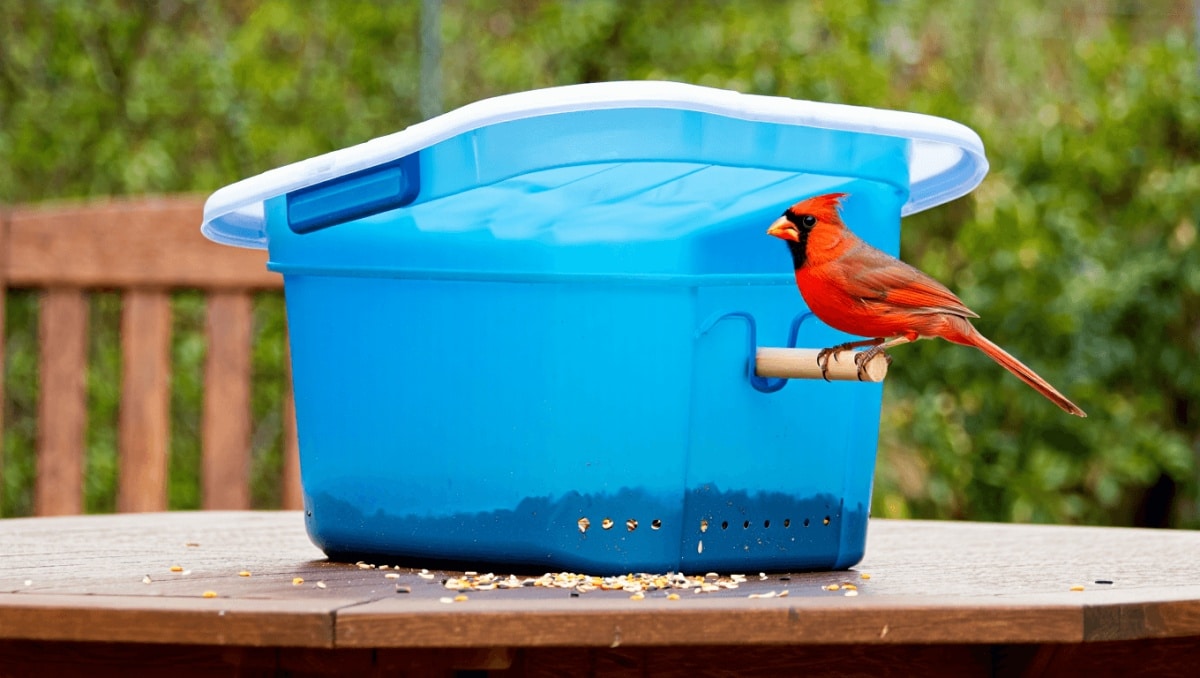
Plastic tubs pile up in kitchens and pantries, but one simple craft can turn that waste into wildlife-friendly yard decor. With a few common tools and imagination, you can transform rigid food containers into a practical bird feeder that attracts sparrows, finches, and chickadees. This guide walks through designs that suit different container shapes and skill levels, so you can pick a path that fits the supplies on hand.
Why upcycle plastic tubs into backyard bird feeders
Upcycling keeps durable plastic out of landfills and gives your garden a low-cost focal point. A repurposed tub becomes a platform, roof, or seed reservoir with minimal alteration. Many birds prefer open platforms or sheltered trays, so the basic shapes of food tubs work well. Reusing what you already own is both eco-friendly and budget-friendly.
Michaels holiday finds under $25: 20 new gifts that look like $50
Target wall-mounted find frees up countertop space: timeless style for small kitchens
- Easy to make with no advanced carpentry.
- Customizable size and style based on your containers.
- Lightweight for hanging, or stable enough to mount.
Best containers to choose and how to prepare them
Look for rigid plastic tubs with a snap-on or removable lid. Common candidates include margarine tubs, candy tubs, large spice or cheese shakers, and takeout containers. Cylindrical spice bottles make excellent seed dispensers.
Prep steps before you start
- Wash the container and lid in warm, soapy water. Rinse thoroughly.
- Dry completely to prevent mold and attract fewer pests.
- Inspect for sharp edges. Sand or trim rough bits for safety.
A clean, smooth base makes assembly easier and safer for birds.
Tools and adhesives that work best
Keep the toolkit simple. You do not need specialty power tools for most builds.
- Sharp utility knife or strong scissors for cutting small holes.
- Wood dowel, short PVC pipe, or a rigid plastic tube to act as a post.
- Epoxy or strong instant adhesive to bond plastic parts.
- Drill or heated awl to make hanging holes in the roof.
- Outdoor-safe paint (optional) and sandpaper.
Choose adhesives rated for plastic and outdoor use to ensure a longer life.
Build a basic platform feeder in simple steps
This is the fastest way to reuse a shallow food tub.
- Place the tub bowl upside down to serve as a shallow tray or keep it right-side up as a dish.
- Use a wider lid to act as a roof and elevate it above the tray.
- Glue or screw a dowel between the center of the tub and the center of the lid to create space.
- Punch or drill two small holes through the roof for hanging cord or wire.
- Fill the tray with mixed seed and hang the feeder in a quiet spot.
Raising the roof protects seed from rain and keeps birds dry while they feed.
Add a seed dispenser for longer refills
A seed dispenser reduces the need for frequent refilling and makes the feeder more interesting.
- Find a cylindrical container with a removable cap, such as a spice jar or cheese shaker.
- Cut small holes near the bottom of the cylinder to allow seeds to trickle out.
- Mount the cylinder vertically above the platform so seeds drop onto the tray.
- Secure the cylinder to the lid or roof with strong glue or by screwing it into place.
Test the flow with a handful of seed before hanging to ensure it dispenses evenly.
Design ideas, decoration, and safety tips
Make your feeder visually appealing and bird-safe.
- Use non-toxic acrylic paints or outdoor spray paint to brighten colors.
- Roughen slippery plastic with sandpaper so birds can perch more easily.
- Avoid lead-based or solvent-heavy finishes that can harm wildlife.
- Secure any small parts so they won’t be ingested by curious chicks.
Bright but natural tones attract birds without startling them.
Where to hang your new upcycled feeder and how to maintain it
Pick a sheltered location with nearby cover so birds can escape predators. Mount the feeder 4 to 6 feet off the ground if possible. Regular upkeep extends the feeder’s life and keeps birds healthy.
- Check for cracks and re-glue joints each season.
- Clean and refresh seed every one to two weeks in damp or warm weather.
- Move the feeder if you notice aggressive wildlife or mold buildup.
- Replace brittle plastics before they fail in wind or snow.
Routine checks keep the feeder safe and welcoming for repeated visits.










