
Show summary Hide summary
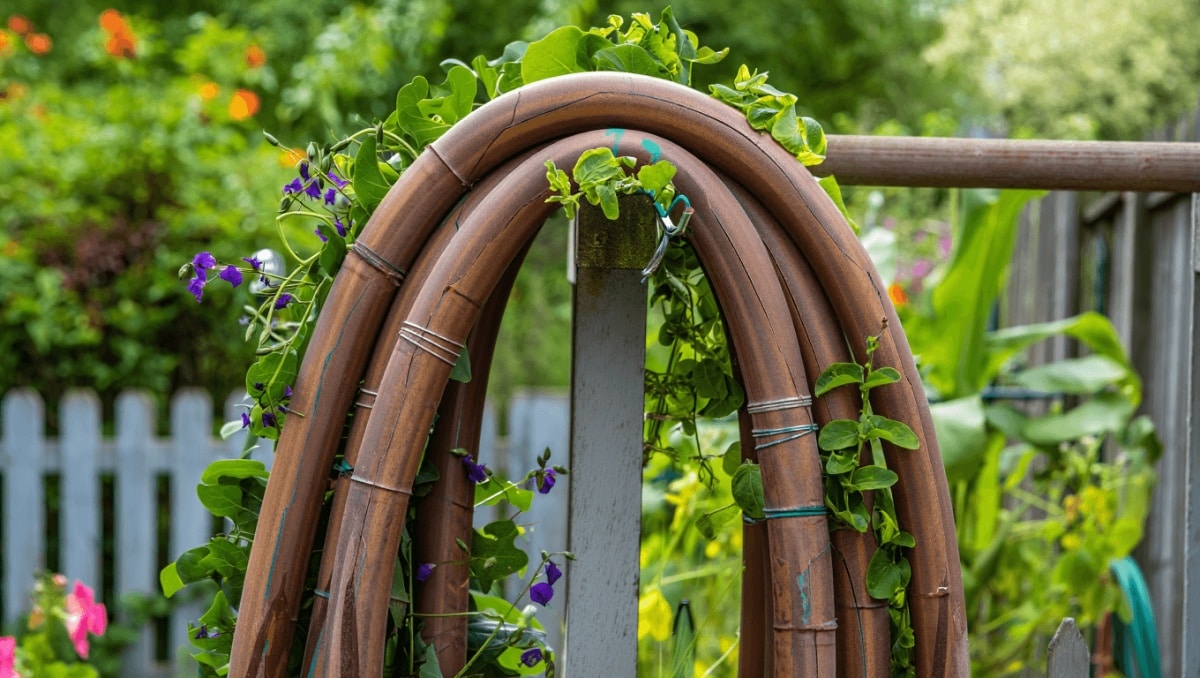
If your garden hose has seen better days, it may still have life left as a smart, low-cost trellis. Repurposing a cracked or leaky hose into a climbing support gives vines somewhere to grow upward, saves you money, and keeps material out of the landfill. The idea is simple, adaptable, and works for both edible and ornamental gardens.
Why an upcycled garden hose makes sense for a DIY trellis
Garden hoses are built to live outdoors. Many are made from rubber or polyurethane and resist sun and water damage better than some household materials. That durability makes an old hose a useful component for garden structures.
Michaels holiday finds under $25: 20 new gifts that look like $50
Target wall-mounted find frees up countertop space: timeless style for small kitchens
- Cost-effective: You already own the main material.
- Weather-tough: Hoses handle wet conditions and sunlight.
- Customizable: Cut and shape the hose to fit any frame.
- Space-saving: Vertical supports free up ground space.
Beyond practicality, a hose trellis blends into a lively garden once plants cover it. The raw rubber will fade from view as vines climb and leaves fill the frame.
Materials to gather and planning your trellis layout
Before you start cutting, decide the trellis dimensions. Height and width depend on the plants you want to support and the space available. A common starting size is about five feet high and five feet wide.
- Old garden hose (long enough to span your design)
- Stakes or posts (wood, metal, or plastic)
- Wire, zip ties, or 1.25-inch nails for fastening
- PVC cutter, utility knife, or hose cutter
- Hammer or drill, depending on fastener choice
- Optional: slings or netting for heavy fruit
Choose stake material based on appearance and longevity. Wood looks natural and is easy to work with. Metal lasts longest. Plastic is lightweight and low-cost. If the trellis will be wider than five feet, plan for intermediate posts to keep the frame rigid.
Easy step-by-step: Build the trellis from an old hose
- Clear and prepare the old hose. Cut off any metal fittings and inspect for brittle sections.
- Set your frame. Drive stakes about a foot into the soil. Space them to match your desired width.
- Decide on pattern. You can run hose pieces vertically, horizontally, or create a grid for more climbing surfaces.
- Cut hose strips. Use a PVC or hose cutter for clean edges. Make pieces long enough to reach between posts with a little slack.
- Attach hose segments. Thread a long piece of wire through each hose strip and wrap it around the post, or fasten with short nails or heavy-duty zip ties.
- Secure the top crosspiece. If using wood posts, nail a horizontal piece across the top for stability and to anchor the hose ends.
- Add supports for heavy fruit. Create slings from fabric or netting to cradle melons or large squash.
Tip: If you want a cleaner look, paint the hose pieces with outdoor spray paint before installation.
Fastening options and small finishing touches
- Wire provides strong hold and allows adjustment. Wrap and twist ends tightly.
- Nails are quick but may cut into the hose over time. Place them through the center for better hold.
- Zip ties are fast and low-damage, though they may need replacing yearly.
- Trim loose edges and tuck hose ends behind the frame to avoid sharp points.
Which plants do best on a hose trellis and care pointers
A hose trellis supports a wide range of climbers. Vegetables and ornamentals both respond well to vertical growth.
- Vegetables: peas, beans, cucumbers, vining squash, and even small melons with slings.
- Flowers: jasmine, honeysuckle, morning glory, and clematis.
- Maintenance: guide new shoots gently with garden twine, prune overcrowded growth, and inspect fastenings each season.
Pro advice: Vertical growth improves air circulation and light exposure. That reduces fungal problems and makes pest spotting easier.
Durability and when to replace components
Even weather-resistant hoses will eventually degrade. Check the trellis each spring for cracked sections or rusted wire. Replace compromised hose pieces and tighten or swap fasteners as needed. Because replacing a few strips is easy, a hose trellis can remain useful for several seasons.
Using this approach, a spent hose becomes a functional garden tool. It’s a quick, budget-friendly way to add vertical structure and give plants a boost in light and airflow.










