
Show summary Hide summary
- Why colored paint appears on driveways and sidewalks
- Is it legal or safe to remove utility paint from your driveway?
- How to find out who made the marks and when they can be removed
- Practical and safe ways to reduce or remove driveway paint
- Tips for homeowners to minimize future markings and disputes
Seeing flashy paint spots or spray lines on your driveway can ruin curb appeal. Before you reach for a wire brush or harsh chemicals, learn why those marks are there and what safe options you have. Knowing the rules and the right steps can save you money and prevent a dangerous mistake.
Why colored paint appears on driveways and sidewalks
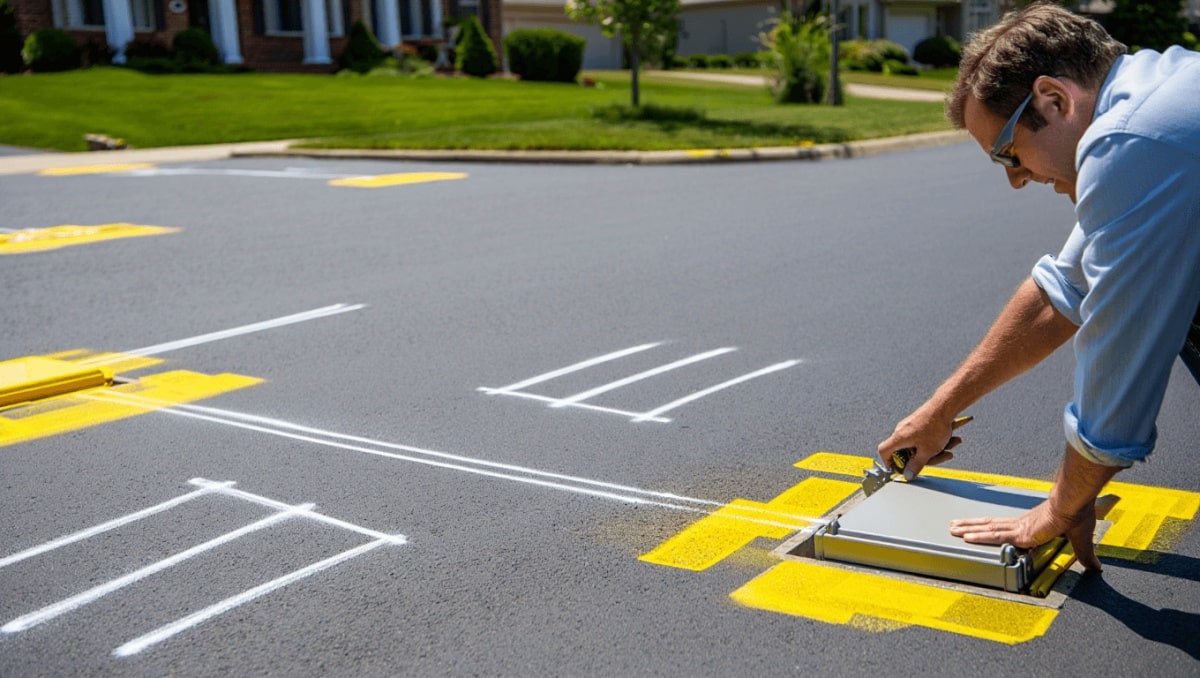
Those bright chalks and paint lines are not random graffiti. Utility locators use them to map where pipes, cables, and conduits run beneath the surface. The marks guide crews and protect both workers and your property during digging or repairs.
Michaels holiday finds under $25: 20 new gifts that look like $50
Target wall-mounted find frees up countertop space: timeless style for small kitchens
- Each color has meaning. Colors help crews identify the type of utility they should expect below.
- Marks can indicate planned projects or recent work done in the area.
- They can be temporary—but they must remain until crews finish the job.
Common color codes include:
- Blue — potable water lines
- Green — sewer and drain lines
- Purple — reclaimed or recycled water
- Red — electric power lines
- Yellow — gas, oil, or other flammable fuels
- Orange — communications, such as phone and fiber
Is it legal or safe to remove utility paint from your driveway?
Removing utility markings may seem harmless. In many places, however, tampering with those marks is illegal. The marks help prevent accidental strikes that could harm people or interrupt services.
- Safety risk: Erasing marks can lead to dangerous digging near live lines.
- Legal risk: Local ordinances or state laws often prohibit altering locates.
- Liability risk: If removal contributes to an accident, you could face fines or legal claims.
How to find out who made the marks and when they can be removed
Don’t guess. Confirm the status of any project before you try to change the pavement. There are simple steps to get reliable information.
- Call 811 or your local “call before you dig” service. They can confirm active locates.
- Contact the utility company listed on nearby signs or notices.
- Ask construction crews on site for an estimated completion date.
- Check local public works or permitting portals for project timelines.
Wait for official confirmation that marking or excavation is finished. Only then consider cleaning the surface.
Practical and safe ways to reduce or remove driveway paint
If the utility owner confirms the work is complete, you can begin cleaning. Be realistic: some stains fade naturally, others need elbow grease.
Low-effort options
- Simple rinse with a stiff brush and detergent.
- Power washing at moderate pressure removes surface paint on concrete.
- Time and traffic will often fade temporary spray markings.
Stronger cleaning methods
- Use a commercial concrete cleaner or citrus-based paint remover, following label instructions.
- Test any solvent on a small area first to check for discoloration.
- Hire a professional pressure-washing or masonry contractor for stubborn stains.
Covering solutions if cleaning fails
- Apply a driveway sealer or resurfacer to hide faded marks.
- For asphalt driveways, consider a fresh sealcoat to mask paint.
- In severe cases, repaving or an overlay will permanently conceal markings.
Avoid risky actions like removing locates yourself before confirmation. Don’t use unknown chemicals without PPE. And never dig without a verified locate.
Tips for homeowners to minimize future markings and disputes
Proactive steps can reduce annoyance and disruption when crews come to the neighborhood.
- Keep a record of who you contacted and any case or ticket numbers.
- Place a polite, visible note for crews if a marking is on a decorative surface.
- Schedule driveway sealing or cosmetic work after checking local project calendars.
- Share concerns with your municipality if marks remain long after work ends.
Clear communication with utilities and local authorities is the fastest way to reclaim a clean driveway without creating a safety or legal problem.










