Show summary Hide summary
Choosing siding for a visible backyard shed is more than a curb‑appeal decision. The material you pick affects maintenance, weather resistance, resale options and even the ease of converting the structure into an accessory dwelling unit years later. Below we compare a natural wood favorite with the common plywood choice, so you can match looks with longevity.
Why siding matters for sheds and future conversions
Magnetic backsplash tiles let you swap your tile in minutes: instant kitchen makeover
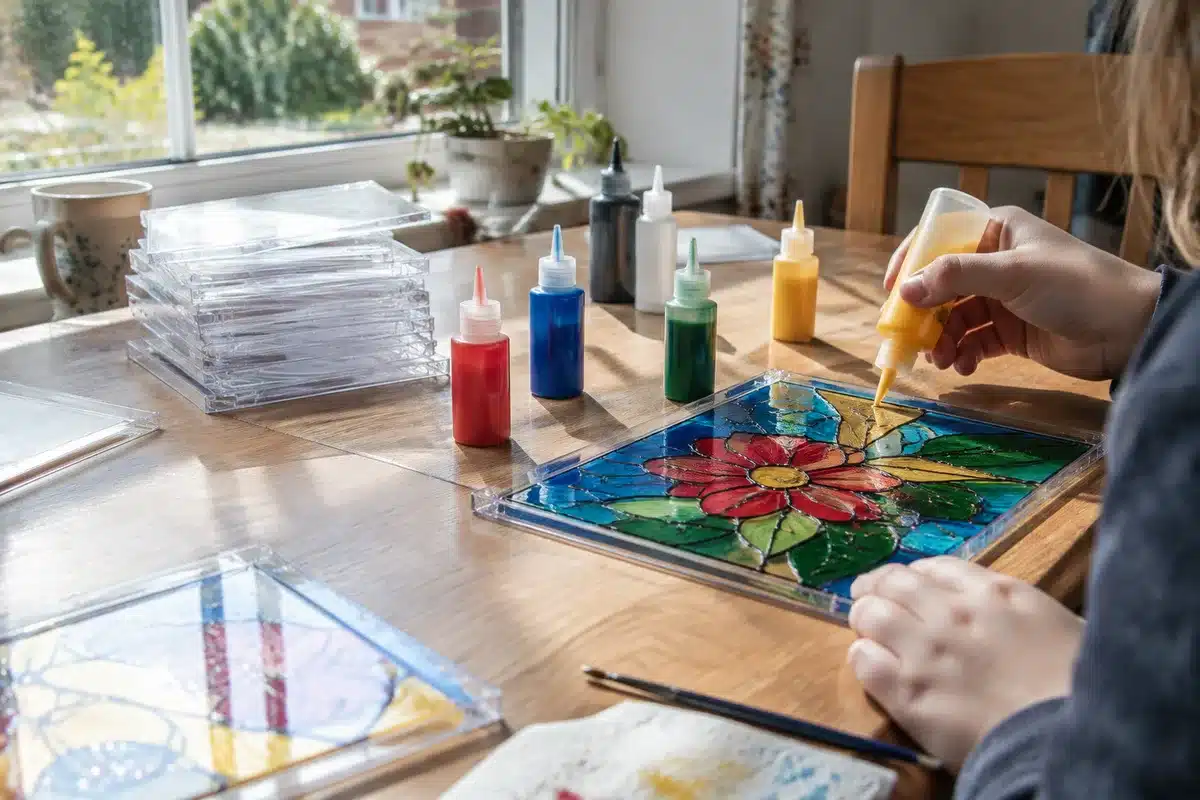
CD cases repurposed into faux stained glass lamp: clever DIY anyone can make
Siding is the exterior most exposed to rain, sun and temperature swings. It shapes the building’s character and sets expectations for maintenance. Many homeowners later turn sheds into ADUs, so a better initial investment can save time and money down the road.
- Appearance affects property value and neighborhood fit.
- Durability determines long‑term repair costs.
- Material choice influences ease of future upgrades.
Redwood siding: natural protection and decades of life
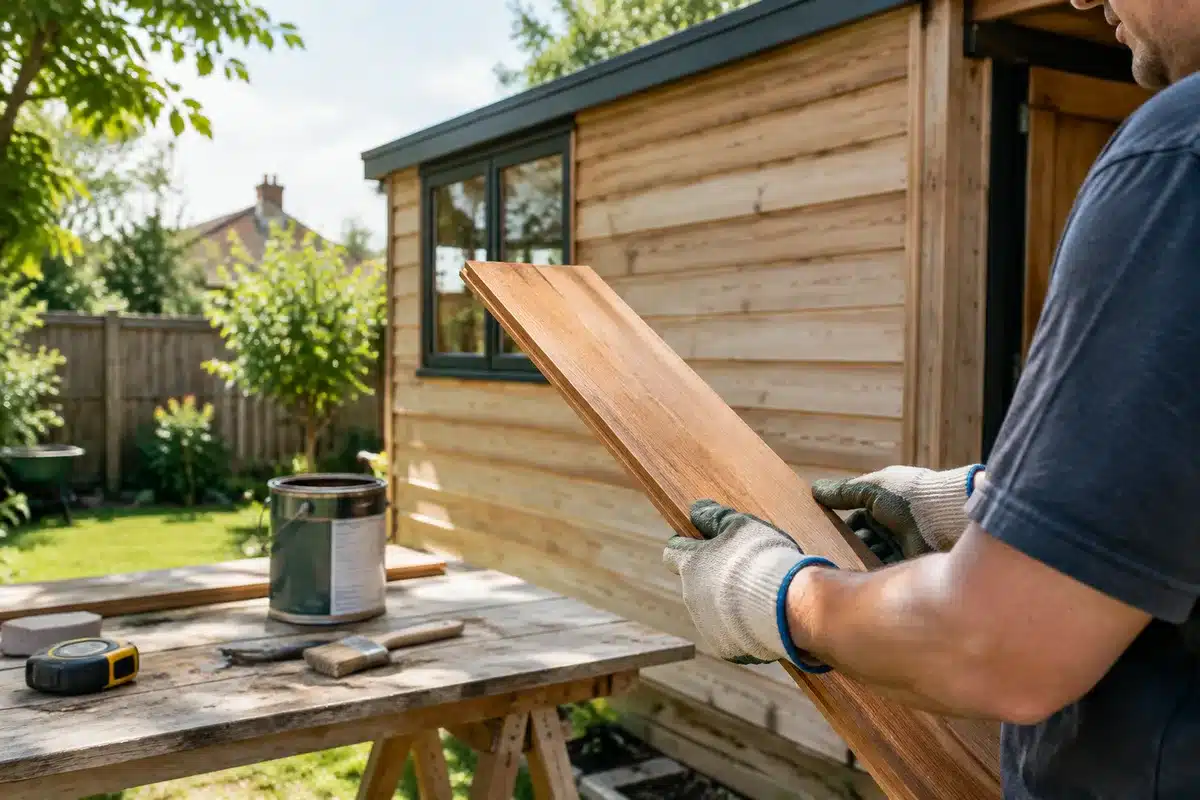
Redwood contains natural oils that fight rot and help the boards resist warping. Unlike plywood, it does not delaminate when wet. Well‑installed redwood siding can last 75 years or more with reasonable upkeep.
- Typical stock: 1‑inch siding and trim boards.
- Common widths: 4, 6, 8 and 12 inches.
- Profiles available: flat, tongue‑and‑groove and shiplap.
Price varies by region. Expect roughly $4 to $20 per square foot today, with lower costs in western U.S. markets where redwood is more available. That is substantially higher than standard plywood options, but the payoff is the material’s longevity.
Design choices with redwood: styles and finishes
Redwood adapts to both rustic and modern schemes. Installers use several techniques to achieve distinct looks:
- Board‑and‑batten: vertical boards with narrow battens covering joints.
- Clapboard: horizontal, tapered boards layered for shadow and water shedding.
- Tongue‑and‑groove or shiplap: tight joints for a refined appearance.
Many owners leave redwood unfinished to develop a silver‑gray patina. Others preserve the warm tone with clear finishes that include UV absorbers. For example, products like Flood Clear CWF‑UV are used to protect color without hiding grain. Staining is an option when you want sun protection and a controlled hue while keeping wood texture visible.
Plywood (T1‑11): the budget‑minded but higher‑maintenance choice
T1‑11 plywood is a popular, lower‑cost siding for sheds. It comes in 5/8‑inch panels and is often textured to mimic vertical boards. Expect about $2.50 per square foot for basic panels, though prices vary by market.
Key trade‑offs:
- T1‑11 must be painted or semi‑transparent stained to last.
- The top veneer is typically fir, pine or spruce and lacks the rich tones of redwood.
- When exposed to moisture, plywood layers can delaminate and split at edges.
Typical life for painted T1‑11 ranges from about 20 to 30 years, shorter than rot‑resistant solid woods.
How to choose: cost, appearance and maintenance weighed
Your decision depends on priorities. Redwood is a style and longevity upgrade. T1‑11 is a cost‑effective starting point but needs more upkeep.
- Pick redwood if you want long life, natural resistance to rot and a premium finish.
- Pick T1‑11 if upfront budget is tight and you’re prepared to paint and maintain it.
- Consider local availability: redwood prices drop where the wood is harvested.
- Factor future plans: converting a shed to an ADU favors higher‑quality siding from the start.
Maintenance tips:
- Seal or finish redwood to preserve color and block UV damage.
- Paint or stain plywood promptly and repair edge damage quickly.
- Inspect siding annually for moisture intrusion and fastener issues.