
Show summary Hide summary
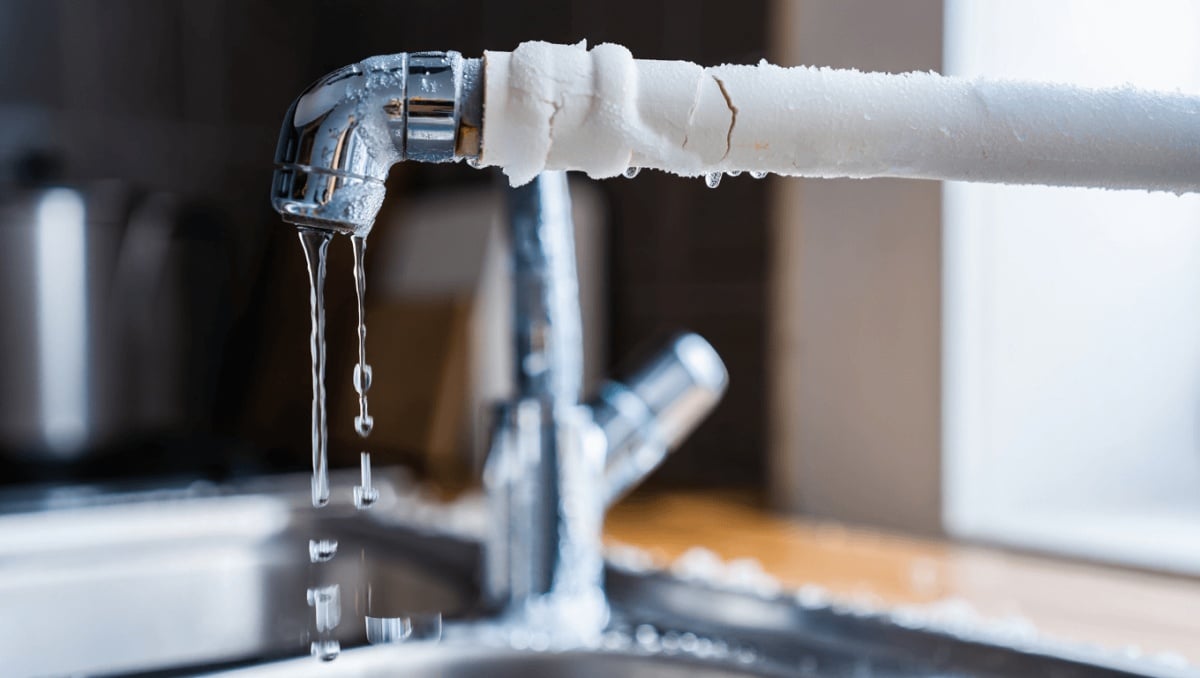
When a deep freeze is on the weather map, a quiet trickle from a faucet can mean the difference between dry floors and a costly repair. Homeowners often hear that leaving a tap dripping prevents pipes from freezing, but the temperature of the water you let run matters. Small choices now can prevent large water damage later.
Why a running tap reduces the risk of frozen pipes
Moving water resists freezing better than still water. A steady flow keeps water from forming ice crystals inside pipes. That motion can be enough to stop ice from forming except in the most extreme cold.
Michaels holiday finds under $25: 20 new gifts that look like $50
Target wall-mounted find frees up countertop space: timeless style for small kitchens
When night temperatures dip near or below 20°F (-7°C), it’s wise to leave at least one faucet dripping. Open cabinet doors under sinks to allow warmer indoor air to reach exposed pipes.
Which faucet to drip: cold, hot, or both?
Choosing the right line to leave running depends on your home’s layout and the severity of the cold snap.
When to drip cold water only
- Cold water lines are more vulnerable to freezing than hot ones.
- Start by opening the cold tap at faucets farthest from the water heater.
- This helps move water through long stretches of pipe and through exterior walls.
- Keep the flow steady, not a full stream — a slow drip is usually sufficient.
When to run both hot and cold water
If pipes travel through unheated crawlspaces, basements, or along exterior walls, running only cold water may not be enough. In those situations, open both hot and cold taps to keep both lines warm and to let your water heater cycle.
- Very low temperatures well below seasonal averages justify running both taps.
- If the power goes out and your hot water heater stops functioning, run both taps while the heater still has residual warmth.
- Running both lines helps prevent freezing in systems with interconnected hot and cold branches.
Practical winter-proofing steps every homeowner should take
Dripping taps are a short-term defense. Combine them with other measures for better protection.
- Insulate exposed pipes with foam sleeves or wrap.
- Seal gaps around exterior walls, vents, and windows where cold air can reach plumbing.
- Open sink cabinet doors to let warmer room air circulate near plumbing.
- Locate and label your main water shut-off valve ahead of time.
- Consider a thermostatically controlled heat cable for vulnerable runs.
What to do if you’ll be away or lose power
If you plan to leave home for several days, or if a storm may cause outages, you have options to avoid frozen pipes.
- Turn off the main water supply and open faucets to drain lines.
- Leave the heating system on at a safe, energy-conscious setting if possible.
- If the power goes out, let both hot and cold faucets drip while the heater still has heat.
- Check on vulnerable areas when you can. Early detection prevents extensive damage.










