
Show summary Hide summary
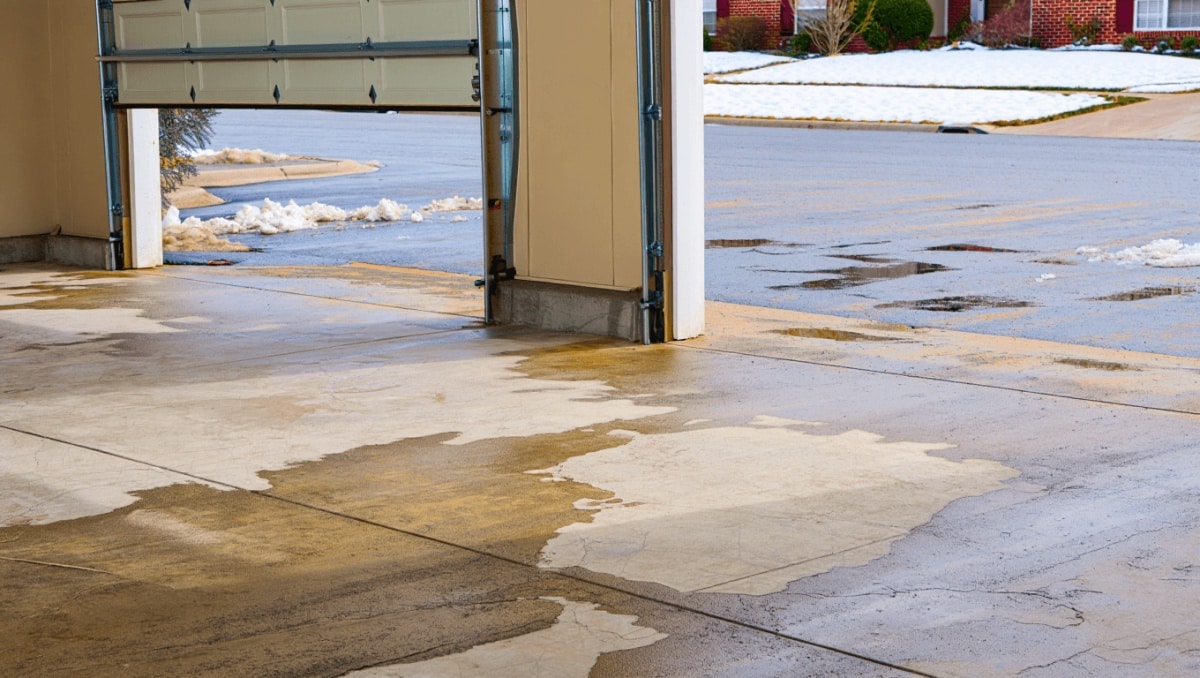
When slush and road salt start piling up outside, your garage floor silently pays the price. Melting snow brings water, grit, and corrosive chemicals into contact with concrete. Left unchecked, that moisture and salt can etch, stain, and eventually crack the slab. Fortunately, small, inexpensive projects can keep winter runoff from turning into an expensive repair.
Why winter is hard on garage concrete and stored items
Cold-season parking introduces three main threats to a garage floor: moisture, abrasive debris, and deicing chemicals. Snow and ice melt as vehicles enter a warm garage. Water soaks into pores and freeze-thaw cycles cause spalling. Grit scratches coatings and bare concrete.
Michaels holiday finds under $25: 20 new gifts that look like $50
Target wall-mounted find frees up countertop space: timeless style for small kitchens
Road salt is especially damaging. Chlorides can accelerate corrosion and degrade concrete over time. Even if damage is slow, cumulative effects raise repair costs. A simple barrier can halt problems before they start.
Build an affordable garage dam to trap winter runoff
You can assemble a functional barrier that keeps puddles and salt inside a contained area. The concept is simple: create a framed dam across the driveway entrance inside the garage. That way, any meltwater, slush, or salt falls into a defined zone you can clean easily.
Materials that keep costs low
- Rubber door sweeps or automotive weatherstripping
- Construction adhesive or heavy-duty caulk rated for concrete
- Weights or sandbags to hold pieces while curing
- Chalk line or marker for layout
- Optional: scrap wood strips if you prefer a rigid frame
Many builders have used basic rubber trim from a hardware store. You can often make a workable dam for under $20. That is far cheaper than recoating or replacing concrete later.
Simple steps to install a floor dam
- Clear the area. Sweep and degrease the concrete where the dam will attach.
- Measure your vehicle and add an extra foot or two for margin.
- Mark the footprint with a chalk line or marker.
- Cut rubber or wood to length so it spans the marked lines.
- Apply a bead of adhesive to the dam pieces and press them firmly to the floor.
- Place weights over the strips and allow the adhesive to cure overnight.
- Test the seal by pouring a bucket of water into the contained area.
If water runs toward the door rather than seeping under the dam, your barrier is working. If leaks appear, reapply adhesive at the gaps and test again.
Seal, tarp, or tile: choose protection that suits your budget
A dam contains runoff but doesn’t always protect the concrete surface beneath. Consider these follow-up steps to preserve the slab itself.
- Concrete floor coatings: Epoxy or acrylic coatings form a protective skin that resists salt and stains. Apply inside the dam for best results.
- Heavy-duty tarp or winter mat: A large tarp stapled or secured to a framed mat covers the floor and sheds moisture. Mats made from wood and a tarp can be folded and stored come spring.
- Interlocking protective tiles: Durable garage tiles create an impermeable layer. They cost more but offer long-term protection and a cleaner look.
Practical tips for durability and performance
Small choices make a big difference. Use adhesives rated for cold and damp conditions. Choose rubber or wood tall enough to block slush and water flow. Install the dam where it won’t interfere with door operation or vehicle clearance.
Routine checks are cheap insurance. After heavy storms, remove salt deposits and hose the contained area into a drain. Re-tighten or re-secure tarps and reapply adhesive where seams show wear. Seasonal removal and storage protect materials from UV and temperature extremes.
When to upgrade beyond DIY fixes
DIY dams and tarps solve most short-term problems. But if your concrete already shows deep cracking, heaving, or large areas of spalling, you may need professional resurfacing. A certified contractor can recommend resurfacing, sealing, or replacement options.
For many homeowners, combining a low-cost dam with a protective tarp or a targeted floor coating offers strong winter protection. It keeps salt and slush contained, simplifies cleanup, and extends the life of your garage floor without a big upfront cost.











