
Show summary Hide summary
- Why gravel is chosen for flat roofs — the practical reasons
- How a gravel layer works with built-up roofing (BUR)
- Types of gravel used and why color matters
- Benefits beyond protection — appearance and upkeep
- Installation essentials and common methods
- Maintenance tips and what to watch for
- When a gravel roof might not be right
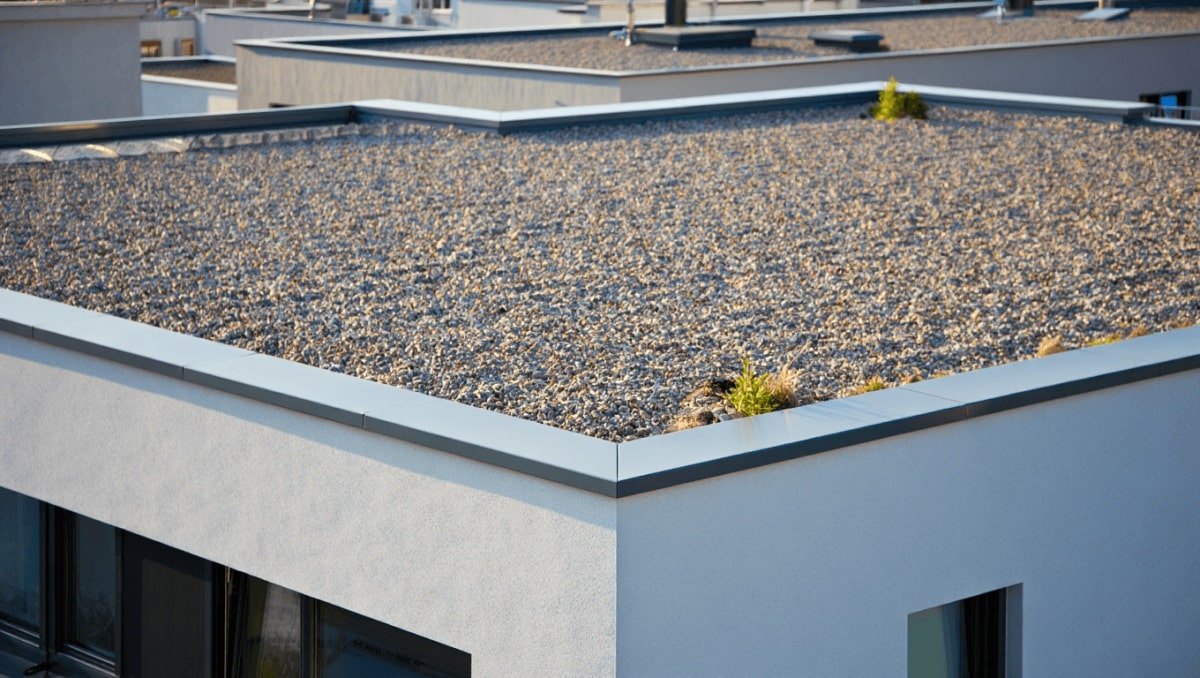
Rocks on a roof sounds odd at first, but on many flat buildings gravel is a smart, time-tested solution. It shields roofing layers, moderates heat, and helps roofs last longer. If you picture a pitched suburban house, gravel on top seems wrong. On commercial and flat residential roofs, it’s a common and practical finish.
Why gravel is chosen for flat roofs — the practical reasons
Contractors and building owners pick gravel for several clear benefits. It acts as a durable, low-cost layer over built-up roofing and membrane systems. Gravel reduces UV damage and prevents the roofing felt or asphalt from aging too fast. That protection can add years to a roof’s service life.
Michaels holiday finds under $25: 20 new gifts that look like $50
Target wall-mounted find frees up countertop space: timeless style for small kitchens
- UV and heat reflection: light-colored stones bounce sunlight away.
- Impact protection: gravel absorbs hail and debris hits.
- Wind hold-down: the weight helps keep roofing layers in place.
- Fire resistance: stone is non-combustible and slows flame spread.
How a gravel layer works with built-up roofing (BUR)
Built-up roofing, often called BUR, is made of alternating layers of asphalt and reinforcing felts. Gravel sits on top of this system. It creates a mechanical and thermal barrier between the elements and the roofing membrane. Water drains through the gaps in the stone and continues to roof drains and scuppers.
Hidden slopes and drainage
Even so-called flat roofs have a slight slope. The pitch is subtle but essential. It funnels water toward drains and prevents ponding. Gravel does not stop this flow; it lets water pass while protecting the layers beneath.
Types of gravel used and why color matters
Roofing gravel is not the same as landscaping rock. It is selected for size, shape, and color. Typically, contractors use 2–3 inches of crushed stone or pea gravel. Color choices matter. Lighter aggregates reflect more solar heat and help keep the roof cooler in summer.
- Crushed stone: angular pieces lock together and resist movement.
- Pea gravel: smooth, rounded stones that spread evenly.
- Light-colored aggregates: reduce solar heat gain.
Choosing the right stone improves energy performance and durability.
Benefits beyond protection — appearance and upkeep
A well-covered gravel roof can look uniform and tidy from above. The texture hides minor blemishes and creates a neat surface that is easy to maintain. While hauling stone onto a roof takes effort, spreading and leveling the aggregate is straightforward for professionals.
- Visual appeal from aerial views.
- Relatively simple repairs when gravel shifts or thins.
- Low maintenance once properly installed.
Installation essentials and common methods
Placing gravel on a roof requires planning and the right materials. Installers usually follow a few core steps to ensure performance and longevity.
- Prepare the BUR or membrane surface and inspect for damage.
- Apply a layer of asphalt or adhesive where needed.
- Broadcast the aggregate evenly to the specified depth.
- Check drainage points so stones don’t clog scuppers or drains.
Proper installation prevents future problems like clogging or uneven protection.
Maintenance tips and what to watch for
Gravel roofs need periodic checks. Inspections catch thin spots, debris buildup, and clogged drains before they cause leaks. After storms, check for displaced stone and for signs of underlying membrane damage.
- Inspect drains and scuppers monthly in wet seasons.
- Rake or redistribute stones that have shifted.
- Replace lost aggregate in areas where foot traffic is high.
- Schedule a professional assessment every few years.
When a gravel roof might not be right
Not every building benefits from a gravel finish. Steeply pitched roofs and many modern single-ply membrane systems are designed without loose aggregate. Placing rocks on those roofs can cause damage and void warranties. Always match the roof type to the intended finish.










