
Show summary Hide summary
- Why mandevilla is a top pick for hot patios
- Pick the right container and soil for strong growth
- Light, watering, and seasonal moves for container mandevilla
- Supporting the vine and styling tips for your patio
- Maintenance steps to keep blooms coming
- How mandevilla enhances outdoor living and biodiversity
- Quick care checklist for busy gardeners
Summer heat can wilt ordinary planters, but some container plants flourish when the thermometer rises. If you want bold blooms and low fuss on your patio, mandevilla delivers vivid color and summer-long interest with minimal hassle.
Why mandevilla is a top pick for hot patios
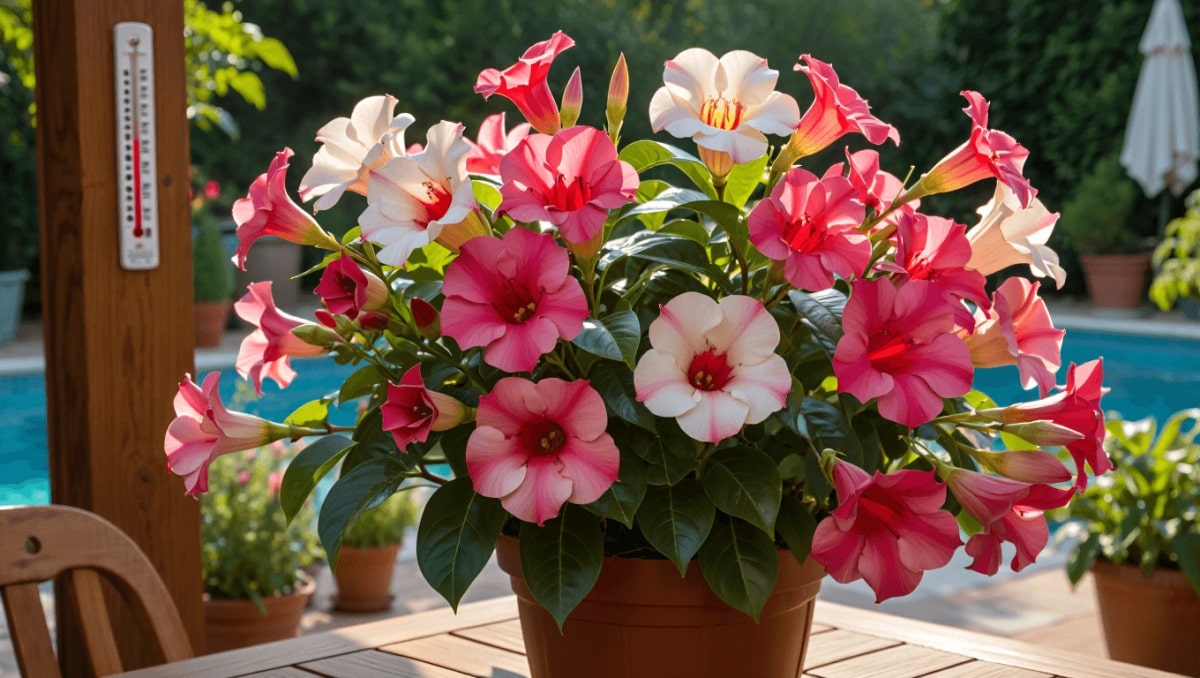
Mandevilla is a tropical vine prized for large, trumpet-shaped flowers in pink, red, and white. It thrives in warm, humid conditions and often needs heat to flower at its best. For gardeners in cooler regions, growing it in a pot makes seasonal protection simple.
Michaels holiday finds under $25: 20 new gifts that look like $50
Target wall-mounted find frees up countertop space: timeless style for small kitchens
Mandevilla performs well in intense sun and high temperatures. Its blooms also attract hummingbirds and butterflies, making it a lively focal point on porches and terraces.
Pick the right container and soil for strong growth
Pot size and drainage essentials
A roomy container prevents the roots from becoming cramped. Aim for a pot at least 12 inches wide with several drainage holes. Good drainage is critical; mandevilla dislikes soggy feet.
Potting mix that encourages blooms
Use a well-draining mix rather than a moisture-retentive formula. You can mix:
- 2 parts quality container soil
- 1 part compost
- 1 part coarse sand or perlite
This blend balances nutrition and drainage so roots stay healthy but not waterlogged.
Light, watering, and seasonal moves for container mandevilla
Place your mandevilla in a sunny spot. It prefers full sun but tolerates some afternoon shade. In less light, expect fewer flowers.
Water regularly and deeply during the growing season. Let the top inch of soil dry between waterings rather than keeping the mix constantly wet. Mandevilla tolerates short dry spells.
Protect the plant from cold. If your climate drops below about 60°F (15°C), bring the container indoors. Store it in a frost-free space over winter and return it outdoors after the last frost.
Supporting the vine and styling tips for your patio
Mandevilla climbs. Install a trellis or obelisk in the pot when planting so stems have immediate support. The vine will wrap itself around structures without tying.
- Mix mandevilla with trailing annuals at the pot edge for a layered look.
- Use a tall planter to showcase the cascading stems and blooms.
- Group several pots to create a colorful, pollinator-friendly corner.
Maintenance steps to keep blooms coming
- Fertilize monthly during spring and summer with a balanced, water-soluble fertilizer.
- Prune lightly to shape and remove dead growth in early spring.
- Check for pests like aphids and spider mites and treat early.
When overwintering indoors, keep the plant in a cool, dim room and water sparingly. Resume regular care once temperatures warm and days lengthen.
How mandevilla enhances outdoor living and biodiversity
Beyond aesthetics, mandevilla supports backyard ecosystems. Its bright flowers are a magnet for pollinators. Adding this vine to your patio invites hummingbirds and butterflies, boosting seasonal activity in small spaces.
Container gardening with mandevilla is ideal for renters and anyone with limited yard space. Move the pot to chase sun or shelter the plant during storms.
Quick care checklist for busy gardeners
- Sun: Full sun to partial shade
- Pot: Minimum 12-inch container with drainage
- Soil: Well-draining mix with sand or perlite
- Water: Deep, regular watering; allow slight drying
- Support: Trellis in the pot at planting
- Winter: Bring inside before temps fall below 60°F










