
Show summary Hide summary
Hummingbirds are tiny, fast, and fragile. Their nectar feeders become breeding grounds for mold and bacteria if ignored. A small cleaning mistake can harm the very birds you want to attract. Read on to learn a safe, practical method to disinfect feeders and avoid a common, dangerous error.
Why hummingbird feeders demand extra attention
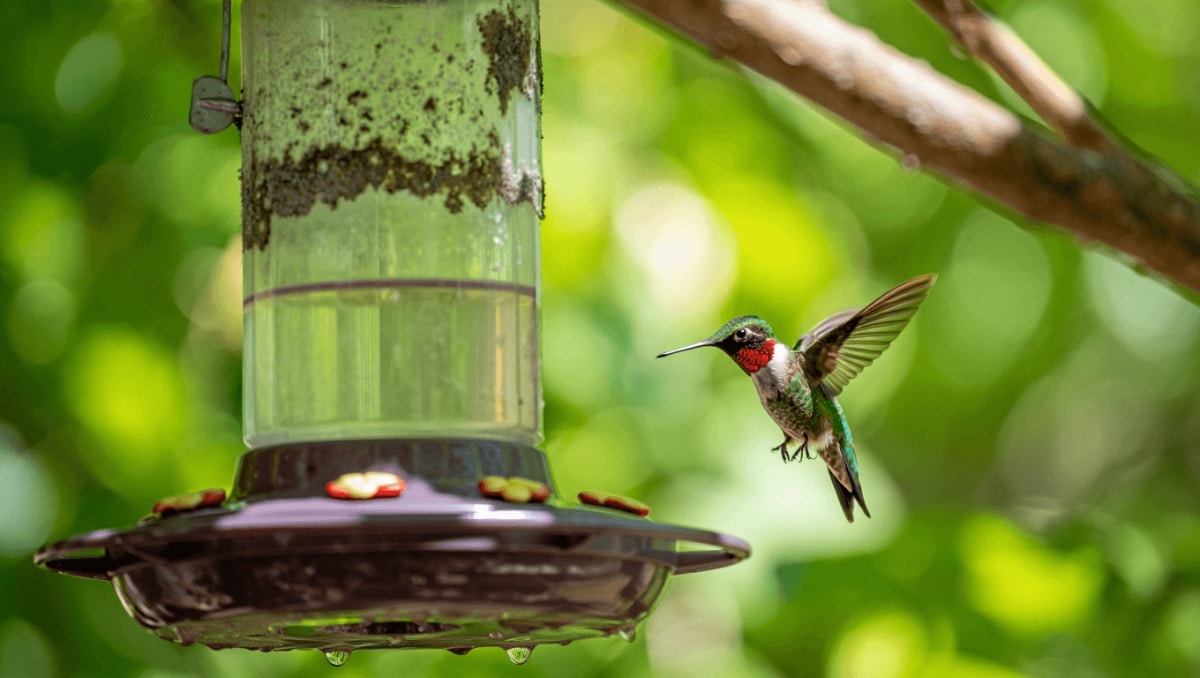
Unlike standard seed feeders, hummingbird feeders hold liquid that spoils quickly. Warm temperatures, fermentation, and organic debris create ideal conditions for microbes. When mold or bacteria take hold, birds can get seriously ill.
Michaels holiday finds under $25: 20 new gifts that look like $50
Target wall-mounted find frees up countertop space: timeless style for small kitchens
- Liquid nectar ages faster than seed mixes.
- Small residues of sugar feed mold and yeast growth.
- Diseases like aspergillosis and bacterial infections have been linked to dirty feeders.
Gather these supplies before you start
What you’ll need
- Household bleach (or non-chlorine alternative)
- Warm water
- Antibacterial dish soap
- Cleaning gloves
- Bucket or basin large enough for the feeder
- Soft scrub brush or bottle brush
- Garden hose or running faucet for rinsing
Having everything ready keeps the process quick and reduces handling time for feeder parts.
Safe bleach disinfection: a clear, step-by-step routine
- Disassemble the feeder. Take off bases, caps, and perches where possible. Skip disassembly only for permanently joined wooden feeders.
- Remove debris. Scrub away visible dirt, droppings, and leaves with soapy water first. Organic matter can shield microbes from disinfectants.
- Mix the bleach solution. Use one part bleach to nine parts warm water.
- Soak the parts for 10 minutes. Submerge all plastic and glass components. Do not soak wooden parts that may warp or absorb chemicals.
- Rinse thoroughly. Rinse under running water until you can no longer smell bleach. This can take several minutes. Using a hose or faucet for 10 minutes is often wise.
- Air dry completely. Let parts dry in the sun when possible before refilling with fresh nectar.
Rinsing is the most important step. Residual bleach is harmful if birds ingest it with nectar. Never skip or skimp on rinsing.
Common mistakes people make — and how to avoid them
- Not rinsing well enough. A faint bleach odor signals the need for more rinsing.
- Soaking wooden feeders. Wood can trap chemicals and should be cleaned differently.
- Using concentrated bleach directly. Always dilute to the 1:9 ratio.
- Skipping a pre-clean. Disinfectants work poorly on dirty surfaces.
- Waiting too long between cleanings. Heat accelerates spoilage, so frequency matters.
Alternatives and best practices for ongoing care
If you dislike bleach smell, non-chlorine bleach (oxygen-based) is an option. It sanitizes without the harsh odor. For daily upkeep, use hot soapy water and a brush to remove residue.
- Replace nectar every 2–3 days in hot weather.
- Clean feeder parts thoroughly at least once a week in warm months.
- Disinfect with the diluted bleach solution once or twice a month, depending on use and temperature.
- Store spare feeders dry and clean between seasons.
Regular attention keeps your feeder safe and extends the time hummingbirds visit your yard.
Quick checklist before you refill
- All parts scrubbed and free of debris.
- Bleach diluted correctly if used.
- No bleach smell after rinsing.
- Pieces air-dry completely.
- Fresh, properly mixed nectar ready to pour.










