
Show summary Hide summary
- Why Bradford/Callery pears are considered invasive and why it matters
- How to tell if a tree in your yard is a Callery or Bradford pear
- Safe removal methods that professionals and homeowners use
- Where to look for replacement and removal incentives near you
- Choosing native tree species to replace an invasive pear
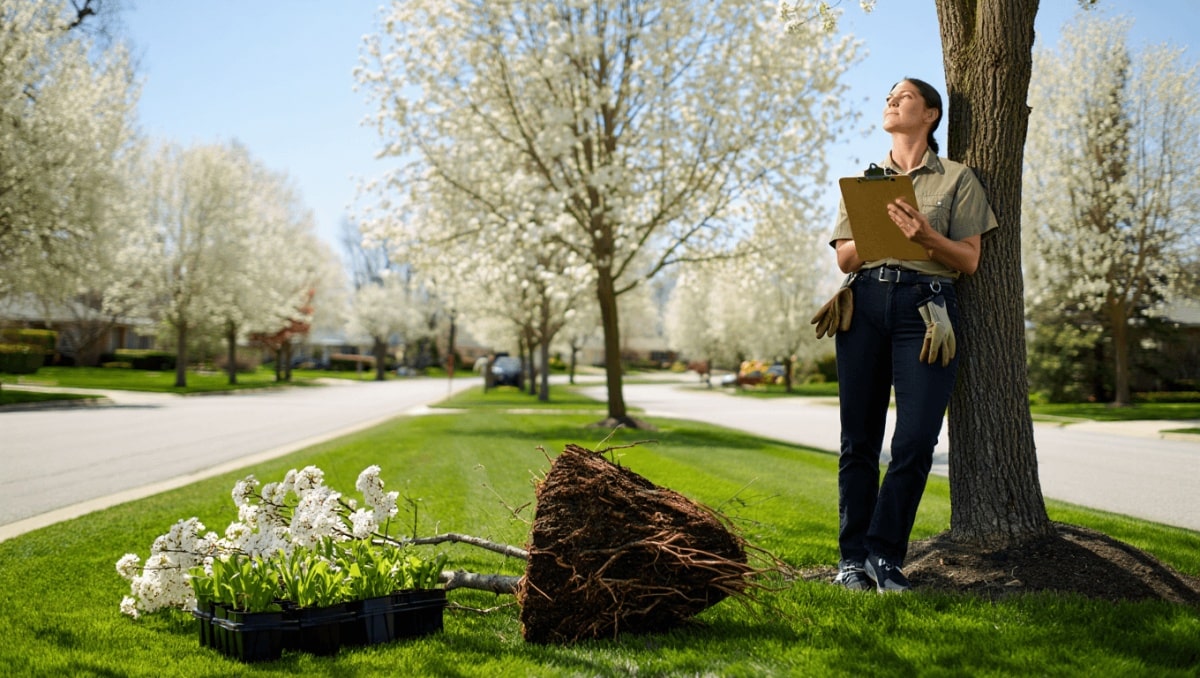
Many suburban streets still glow each spring with the quick white blooms of Bradford or Callery pear trees. They are showy, fast-growing, and once prized for their tidy shape. Yet these trees also spread easily, crowd out native species and can create real problems for local ecosystems. Homeowners now have options: identify the trees, remove them carefully, and in many places receive a replacement or even cash for choosing native alternatives.
Why Bradford/Callery pears are considered invasive and why it matters
Originally introduced from Asia for landscaping, Callery pear (Pyrus calleryana) quickly escaped cultivated settings. Birds eat the small fruit and distribute seeds far from the original planting. In the wild, dense thickets form that displace native wildflowers, shrubs and trees.
Michaels holiday finds under $25: 20 new gifts that look like $50
Target wall-mounted find frees up countertop space: timeless style for small kitchens
- They reproduce easily through seed, especially when different cultivars cross-pollinate.
- They offer limited food value for native insects and wildlife.
- They can alter local plant communities and reduce biodiversity.
Removing these trees helps native plants and makes yards more wildlife friendly. Many communities now prioritize replacement programs to accelerate that shift.
How to tell if a tree in your yard is a Callery or Bradford pear
Key visual clues
- Height is usually under 40 feet with a narrow trunk and rounded canopy.
- Leaves are thick and teardrop-shaped, turning color in fall.
- Flowers are white, five-petaled and appear in early spring.
Distinctive signs to check
- Some cultivars show large thorns; this is more common on wild Callery varieties.
- A strong, unpleasant odor when flowers open is a common giveaway.
- Clusters of small pear-like fruit follow the blooms and attract birds.
Confirming these traits will help you decide whether to join local removal efforts or incentive programs.
Safe removal methods that professionals and homeowners use
Removing an invasive pear often requires more than cutting it down. These trees resprout from stumps and roots unless treated. Below are commonly recommended methods.
Non-mechanical, chemical approaches
- Foliar herbicide: Used on small trees to kill above-ground growth. Apply according to label directions.
- Basal or bark applications: Scratch away bark to expose green tissue, then apply a concentrated herbicide.
- Cut-stump treatment: Cut the trunk close to the ground and immediately treat the exposed stump with herbicide.
Timing matters: Treat cuts promptly to prevent resprouting. Always follow product instructions and local regulations.
Mechanical and combined techniques
- Girdling: Make a ring cut around the trunk and treat the exposed area to stop flow of nutrients.
- Stump grinding: After chemical treatment, a grinder removes stubborn stumps and roots.
- Professional removal: For large specimens or complex root systems, hire licensed arborists.
Use protective gear when handling herbicides. If unsure, consult a certified tree professional for guidance.
Where to look for replacement and removal incentives near you
Because of the species’ invasive status, many states and municipalities run programs to encourage removal. Incentives range from free native trees to cash reimbursements.
- Search online for your state name plus terms like “Bradford pear replacement” or “Callery pear removal program.”
- Statewide efforts exist in places such as Pennsylvania, Virginia and South Carolina.
- Local community projects also appear, for example a Pollinator Pathway initiative in Licking County, Ohio.
Some towns offer only a free replacement tree. Others, like New Albany, Ohio, have provided hundreds of dollars to homeowners who remove invasives. Check municipal websites, county extension offices, and local conservation groups.
Choosing native tree species to replace an invasive pear
Picking a native alternative benefits pollinators, birds and soil health. Native trees often require less maintenance and provide better habitat.
- Consider local recommendations from your state’s extension service.
- Prioritize species native to your ecoregion for best ecological outcomes.
- Planting smaller groups of diverse species reduces the risk of future invasions.
Many replacement programs will suggest or provide native saplings. If they don’t, your extension office can advise suitable species.










