
Show summary Hide summary
- When a leaf blower actually clears snow from your driveway
- Why a leaf blower struggles with heavy or wet snow
- How cold weather can damage your leaf blower
- Practical safety and performance tips if you use a leaf blower in snow
- Alternatives that beat a leaf blower on driveways
- When to call it: signs a blower won’t do the job
Every winter people look for quicker ways to clear snow than shoveling. A familiar hack keeps resurfacing online: grab a leaf blower and sweep your driveway clean. It sounds clever and often works — but only under specific conditions. Knowing when a blower helps, when it fails, and how to avoid damaging the tool separates a handy trick from an expensive mistake.
When a leaf blower actually clears snow from your driveway
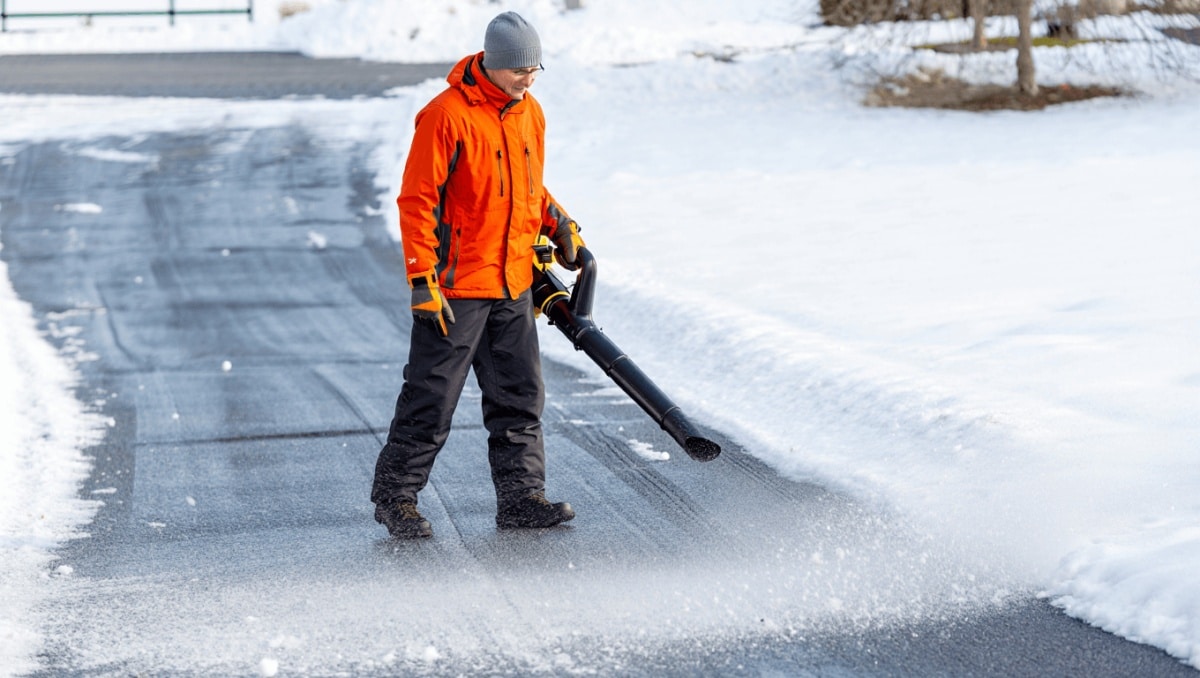
Leaf blowers can remove snow in many real-world cases. They perform best when the snowfall is light and powdery. That kind of snow behaves like autumn leaves, and the blower simply pushes it aside.
Michaels holiday finds under $25: 20 new gifts that look like $50
Target wall-mounted find frees up countertop space: timeless style for small kitchens
- Ideal depth: A couple of inches or less of fresh, dry snow.
- Best surface: Smooth driveways, sidewalks, and cars where the snow has not compacted.
- Quick jobs: Small areas, short driveways, steps, and porches respond well.
Social media is full of short videos showing blowers turning a dusting into a clear path in minutes. For many homeowners, that instant payoff makes the tool feel like a winter multitasker. But there are limits.
Why a leaf blower struggles with heavy or wet snow
Leaf blowers were built to move light, dry debris. They are not designed for dense, wet snow. When flakes clump together, the blower’s airflow can’t dislodge them.
- Wet snow clings to pavement and forms a heavy layer.
- Compacted or icy patches resist air pressure from a blower.
- High-volume snowfalls overwhelm a blower’s capacity and waste time.
For larger jobs you still need a snow blower, shovel, or a plow. Even a powerful leaf blower will grind through fuel or battery life and make little progress on heavy buildup.
How cold weather can damage your leaf blower
Using a blower in freezing conditions can harm the machine. Most gas blowers use small, air-cooled engines. Cold air causes metal parts to contract.
- Contracting cylinder walls and pistons can alter compression.
- Repeated cold runs may cause starting failures later in the season.
- Fuel lines and gaskets can become brittle and leak in low temperatures.
Electric blowers are not immune. Snow and moisture can enter housings, freeze, and corrode electrical contacts. If water gets inside the motor, you risk shorts and permanent damage.
Practical safety and performance tips if you use a leaf blower in snow
If you decide to use a leaf blower to remove snow, follow basic precautions to protect yourself and the tool. These steps improve results and reduce the chances of harm.
- Wear eye protection; blown ice shards can injure.
- Avoid aiming at cars’ glass or fragile trim.
- Keep a safe distance from other people and pets.
- Let the engine warm up briefly before heavy use.
- Dry the blower after each use to prevent ice buildup.
Tips to improve effectiveness
- Work with the wind, not against it.
- Blow snow to the side rather than toward the street or neighbor’s property.
- Use multiple, short passes rather than a single long one.
- Combine with a shovel for edges and compacted spots.
Alternatives that beat a leaf blower on driveways
There are better tools for heavier snow or larger areas. Choosing the right equipment saves time and protects your belongings.
- Snow blowers: Built for deep and wet snow, with augers that throw the load away from the driveway.
- Shovels: Low tech but reliable for confined areas and spot cleanup.
- Plow attachments: For tractors or riding mowers, ideal for long driveways.
- Snow melt mats and salt: Prevent accumulation on small walkways and stairs.
Each option has tradeoffs. Snow blowers require maintenance, shoveling needs effort, and de-icers have environmental effects. Choose the one that matches your typical winter weather.
When to call it: signs a blower won’t do the job
Knowing when to stop saves your equipment and time. Put the blower away if you see these signs.
- Snow feels heavy when you poke it with a shovel.
- Layers have crust or ice on top.
- The blower’s engine strains or stalls while working.
- Ice chunks fly loose and create hazards.
When those red flags appear, switch to a tool designed for snow. Your blower should be a backup for light, fast cleanups, not the main snow-removal strategy.










