
Show summary Hide summary
- Benefits of letting leaves remain on flower beds this fall
- When you must remove leaves to protect plants and soil
- Soil pH and nutrient concerns: when leaves change the balance
- How to turn autumn leaves into effective mulch or compost
- Managing pests, disease, and wildlife in leaf-covered beds
- Custom strategies for different garden types
- Easy seasonal routine for leaf management
As autumn paints the yard, a question crops up for many gardeners: should you leave fallen leaves on your flower beds or clear them away? The right choice can boost soil health and shelter wildlife, but it can also smother sensitive plants or invite pests. Below are practical, research-backed ways to decide and act.
Benefits of letting leaves remain on flower beds this fall
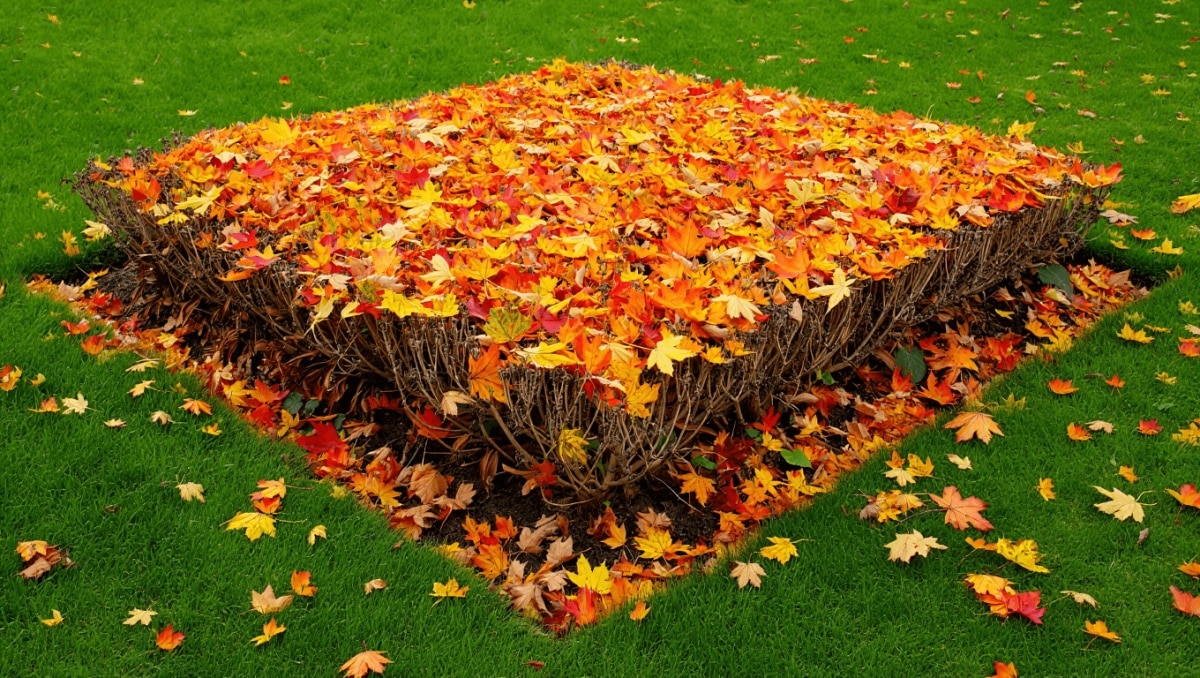
Leaving leaves in place can act as a free, natural mulch. Over weeks and months, shredded leaves break down and feed the soil. They also hold moisture and suppress weeds while insulating roots from cold.
Michaels holiday finds under $25: 20 new gifts that look like $50
Target wall-mounted find frees up countertop space: timeless style for small kitchens
- Soil enrichment: Decomposing leaves add organic matter and support beneficial microbes.
- Weed control: A leaf layer reduces light reaching weed seeds.
- Moisture retention: Leaves slow evaporation and keep root zones damp.
- Habitat for wildlife: Leaves shelter insects and overwintering butterflies and attract birds.
When you must remove leaves to protect plants and soil
Not every garden benefits from a blanket of leaves. Remove or thin them in situations that risk plant health or change soil chemistry.
Signs you should clear leaves
- Leaves form a dense mat that completely covers low plants.
- Evergreen perennials are being buried; they do not fully go dormant.
- Visible mold, fungal growth, or persistent wetness under the layer.
- Repeated pest or disease problems in beds after leaf fall.
Tip: If leaves are larger than the plants and block light and air, pull them back or remove them.
Soil pH and nutrient concerns: when leaves change the balance
Some leaves can affect soil acidity as they decompose. Match leaf types to plant needs before leaving them in place.
- Acidic leaves, like oak, can lower pH over time.
- Leaves that are high in nitrogen or that decompose rapidly can enrich already rich soil too much.
- Run a simple soil pH test if your plants prefer a narrow pH range.
If pH shifts are likely, remove, compost, or shred leaves and mix them slowly into the soil rather than leaving a thick layer.
How to turn autumn leaves into effective mulch or compost
With a few simple steps, fallen leaves become a gardener’s asset. Shredding, layering, and composting are the most practical approaches.
- Shred or mow leaves first. Smaller pieces decompose faster and avoid matting.
- Apply a 2–4 inch layer as mulch, but keep it away from crowns and stems.
- Mix shredded leaves into compost piles with green material for balanced breakdown.
- Use leaves as a top dressing in late fall; work them into beds in spring if needed.
Practical caution: Never pile thick layers right at plant stems. Allow air to circulate to prevent rot.
Managing pests, disease, and wildlife in leaf-covered beds
Leaves can host insects and fungal spores. Monitor beds and act when signs of trouble appear.
- Inspect beds in early spring for slug activity, scale, or overwintering pests.
- Remove and destroy leaves if you spot disease lesions or heavily infested plants.
- Leave some undisturbed patches to support pollinators and beneficial insects.
Balance is key: keep enough leaf litter for biodiversity, but remove problem areas promptly.
Custom strategies for different garden types
Different plantings need tailored leaf care. Here are quick guides for common beds.
- Perennial flower beds: Shred leaves and spread thinly, avoiding crowns.
- Vegetable gardens: Compost most leaves first; use finished compost as mulch.
- Native plantings and meadows: Leave leaves to preserve habitat and soil structure.
- Lawns and borders: Mulch-blow shredded leaves into beds to save time.
Easy seasonal routine for leaf management
Adopt a simple fall-to-spring approach to keep beds healthy and tidy.
- October: Mow or shred fallen leaves into manageable pieces.
- November: Mulch dormant beds with a light layer, leaving access to crowns.
- Winter: Leave most leaf cover intact for insulation and wildlife shelter.
- Spring: Rake or dig leaves into the soil or move to the compost pile as plants green up.










