
Show summary Hide summary
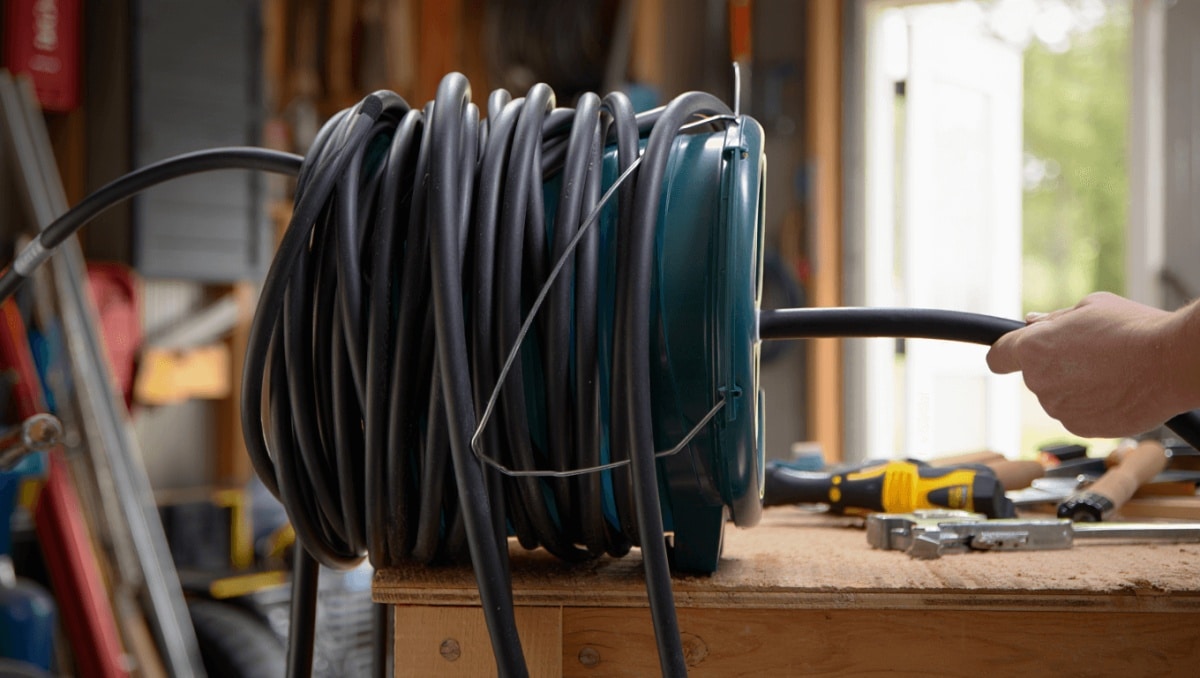
Tired of tripping over a snarled, 100-foot extension cord that somehow shrinks to a tangled mess? The fix is both simple and cheap: a five-gallon bucket turned into a tidy cord dispenser. This low-tech trick keeps long cords organized, easy to unspool, and ready to use—no fancy tools or storage racks required.
Why a five-gallon bucket works for extension cord storage
A plastic bucket is durable, stackable, and inexpensive. It protects cords from the elements and keeps them off the ground. Most importantly, it creates a controlled path for the plug and cable to feed out cleanly, so you avoid knots and jams when you need power fast.
Michaels holiday finds under $25: 20 new gifts that look like $50
Target wall-mounted find frees up countertop space: timeless style for small kitchens
- Readily available at hardware stores and often free after a paint job.
- Stackable design saves garage or shed space.
- Adapts to other long items: hoses, Christmas lights, ropes, and air compressor lines.
Safety note: Coiling a heavy-load extension cord while it’s in use can trap heat. Heat reduces the cord’s current capacity. Always unspool enough length for the load to prevent overheating.
How to build a reliable cord bucket—step by step
This DIY requires minimal tools: a drill, a hole saw or large drill bit, and a marker. The process is quick and intuitive.
- Choose a sturdy five-gallon bucket with a lid.
- Mark a hole near the bottom, sized for the male plug to pass through easily.
- Drill the hole. Add several small drainage holes in the base to prevent water collection.
- From inside the bucket, feed several feet of the cord’s male end through the hole so it protrudes outside.
- Coil the cord inside the bucket along the sidewalls, following the cable’s natural lay to reduce twists.
- Leave the female end near the top of the coil for easy access.
- When you need power, pull the male end, plug it into the outlet, and unwind the desired length from the top.
Keep the plug slightly protruding so it’s easy to grab. Do not shove the plug entirely into the bucket—it needs to be available for quick connection.
Practical improvements to make the cord bucket smarter
A basic bucket is useful, but a few tweaks make it far more convenient. Choose the upgrades that match how often and where you use the cord.
- Slit the lid every few inches so it opens more easily.
- Install a hinged or snap-on lid to open half the cover when dispensing cord.
- Cut a small slot from the lid edge to the center, then drill a cord-sized hole at the center. Route the cable through that slot to keep the lid attached while you use the cord.
- Add outlet receptacles to the lid for easier access. You can wire the cord’s tap to these outlets either with a pigtail or by replacing the original plug and wiring directly.
- Place the spool on a lazy Susan or rotating platform inside the bucket for smooth retraction.
- As a low-cost bearing, some DIYers use marbles under the spool for low-friction rotation. It works, but it adds weight and noise.
- Label the bucket with cord length and gauge for quick identification.
Design ideas for outdoor use
- Use a weather-resistant lid and silicone around the hole to keep rain out.
- Elevate the bucket off the ground to avoid puddles and mud splashes.
- Choose UV-resistant plastic if the bucket will sit in direct sunlight.
Where this hack shines—and where to be cautious
The cord bucket is ideal for gardeners, contractors, holiday decorators, and homeowners who juggle long electrical runs. It keeps cords tidy, reduces trip hazards, and speeds setup.
Be cautious about load and heat: when a long extension cord carries heavy current while tightly coiled, it can heat up and lose capacity. Always pull out adequate cord length for the load and use the correct wire gauge for the job.
- Do not use indoor-rated cords outdoors without proper protection.
- Inspect cords regularly for frays, exposed conductors, or damaged plugs.
- Extension cords are temporary wiring. For permanent power, hire a qualified electrician to install new outlets.
Other uses beyond extension cords
The same bucket trick works for storing and deploying other long items:
- Air compressor hoses
- Christmas string lights
- Garden hoses (shorter lengths)
- Ropes, bungee cords, and tow straps
Maintenance tips to keep your cord bucket working
- Wipe the cord before returning it to the bucket to avoid grit buildup.
- Drain water and dry the bucket if it gets wet.
- Replace plugs or damaged sections promptly.
- Store the bucket in a shaded, cool place when not in use.










