
Show summary Hide summary
Vinegar is a go-to cleaner in many homes, praised for its low cost and mild fumes. But does the stronger “cleaning vinegar” really stop mold for good, or is it only a temporary fix? Read on to learn when vinegar helps, when it falls short, and what steps pros and agencies recommend to truly control mold.
How cleaning vinegar works against household mold
Michaels holiday finds under $25: 20 new gifts that look like $50
Target wall-mounted find frees up countertop space: timeless style for small kitchens
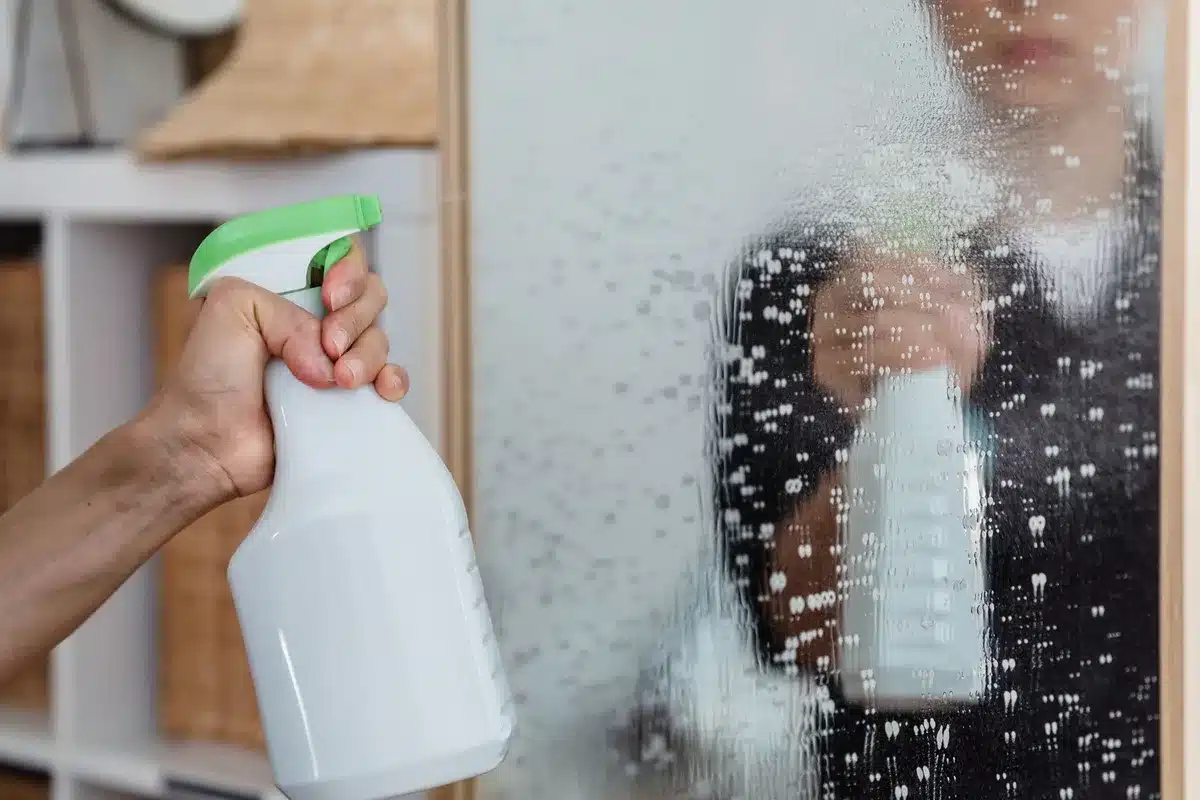
Cleaning vinegar contains a higher concentration of acetic acid than regular white vinegar. That acid can kill many visible mold colonies on contact. On smooth surfaces like glass, ceramic, and sealed tile, a vinegar spray can remove and prevent the same patch from returning for a long time.
But there are limits. Vinegar does not reliably penetrate porous materials. Mold that has taken root in drywall, wood, grout, or unsealed concrete often survives because its hyphae sit below the surface. Even after apparent surface death, spores and root structures can regrow.
Best-case uses for cleaning vinegar
Vinegar shines when used correctly. Keep these practical uses in mind:
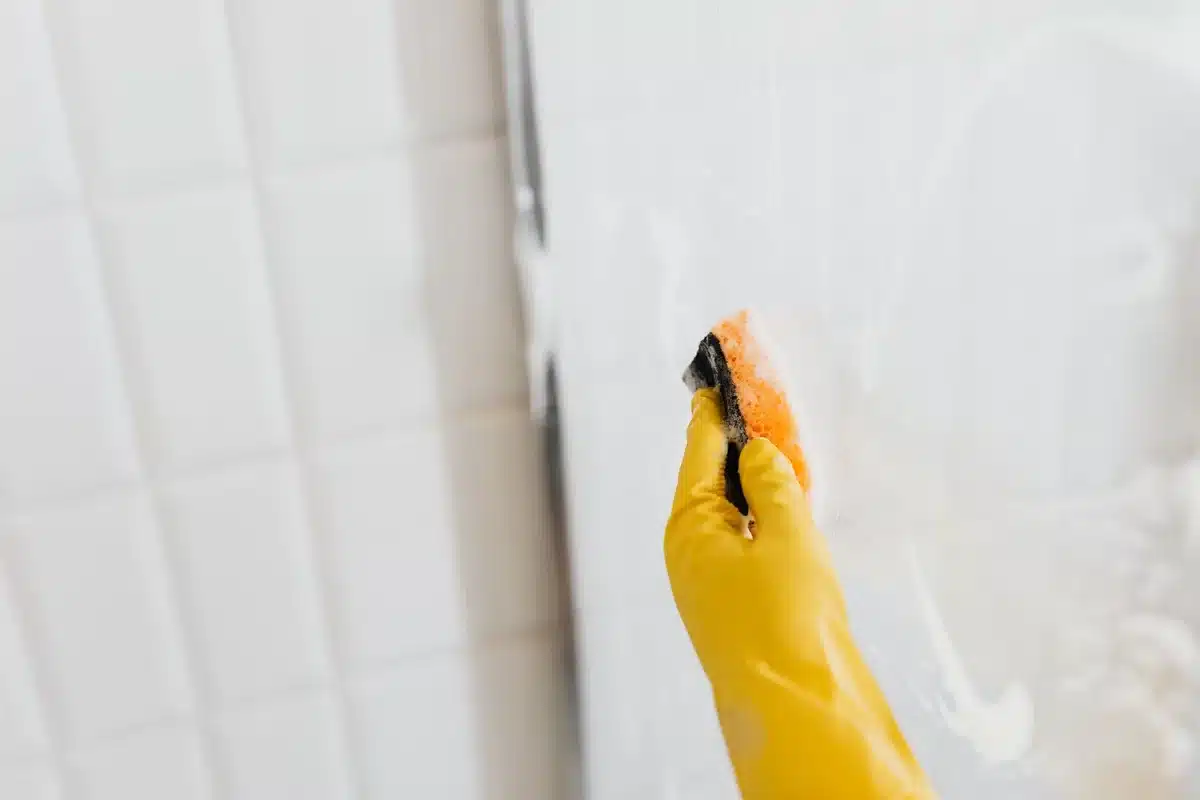
- Cleaning shower glass, glazed tile, and countertops.
- Freshening areas with light surface staining from mildew.
- Routine maintenance to reduce visible mold before it spreads.
- When you want a low-toxicity option with minimal fumes.
Tip: Vinegar will not prevent airborne spores from landing on a cleaned surface later. Use it as one tool in a moisture-control plan.
When stronger methods are needed
If mold has worked into porous materials, you will likely need more than vinegar.
Cleaning and replacement
For soft, porous items that cannot be scrubbed—such as moldy carpeting, ceiling tiles, or saturated drywall—removal and disposal are often the safest route. For rigid porous materials, vigorous scrubbing with detergent and water is recommended until stains and growth are gone.
Disinfectants and risks
Household disinfectants like bleach or rubbing alcohol can kill surface mold more aggressively. The CDC allows a common bleach solution—one cup of bleach per gallon of water—to assist scrubbing tasks. However, bleach can emit strong fumes and can discolor materials if used improperly.
Professional, medical-grade sterilants exist, but they still face the same obstacle: if they cannot reach mold roots inside a porous substrate, the growth can return.
Step-by-step approach to remove mold safely
- Assess the surface: Non-porous vs porous determines the method.
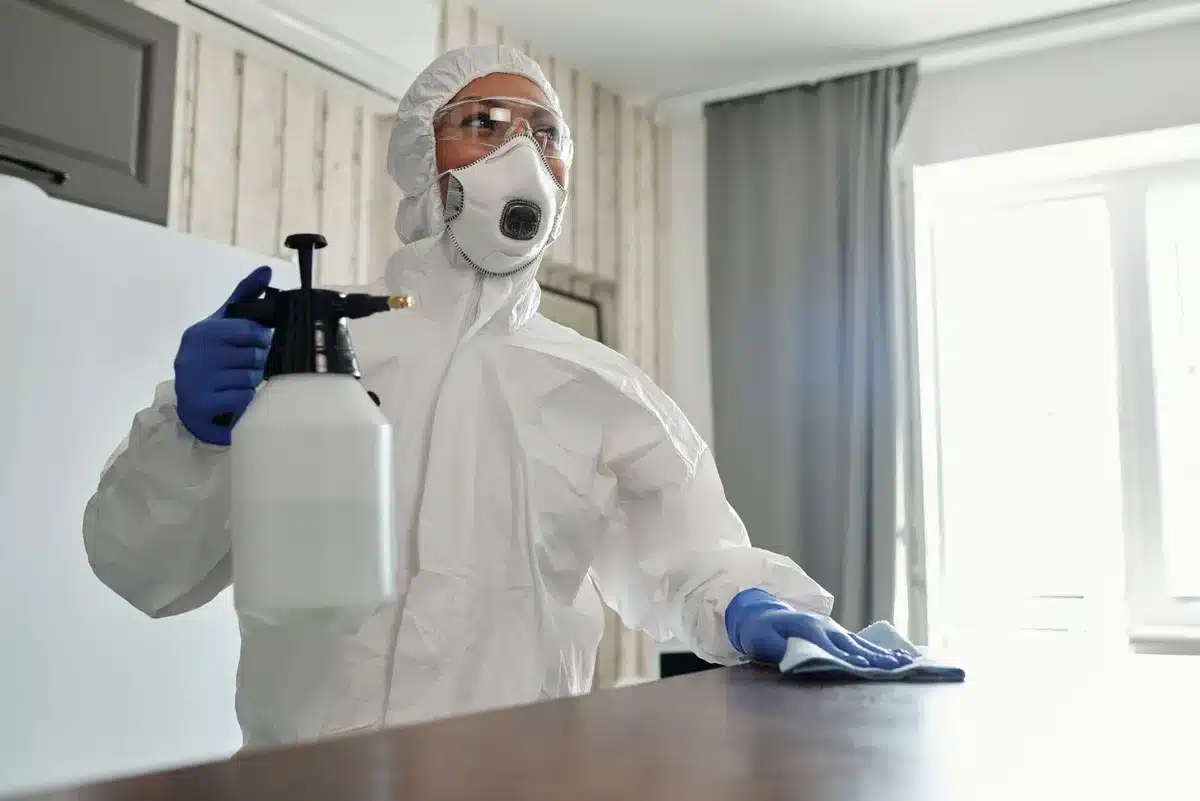
- Protect yourself: Wear gloves, eye protection, and a mask if you expect airborne spores.
- Ventilate the area by opening windows and running fans.
- For non-porous surfaces, spray cleaning vinegar, let sit briefly, then scrub and rinse.
- For porous but rigid materials, scrub with detergent and water. Consider adding the bleach solution if labeled safe for the surface.
- If materials are soft or cannot be cleaned, bag and dispose of them to eliminate the source.
- Dry the area thoroughly after cleaning to stop regrowth.
Remember: Proper ventilation and drying are as important as the cleaning agent you choose.
How to make mold less likely to return
Mold needs moisture. Remove the water source and you remove the problem.
- Fix leaks promptly in roofs, walls, and plumbing.
- Use exhaust fans in bathrooms and kitchens.
- Run dehumidifiers in damp spaces. Aim for relative humidity at or below 50%.
- Keep basements and crawl spaces well ventilated.
- Wipe down wet surfaces after use and dry them quickly.
Monitoring helps too: check problem areas periodically for early signs of growth, especially after storms or plumbing issues.










