
Show summary Hide summary
- How mole holes differ from vole holes: easy visual clues
- Behavioral reasons behind the damage: what each pest eats and where they live
- Safe ways to confirm which animal is present
- Targeted control options: traps, habitat changes, and natural predators
- When to call a professional and safety tips for homeowners
If your lawn has begun to look like a miniature battlefield of tunnels and tiny mounds, you’re not alone. Homeowners often mistake signs left by moles and voles, yet the two animals leave distinct marks. Learn how to read those clues so you can act quickly and choose the right control method.
How mole holes differ from vole holes: easy visual clues
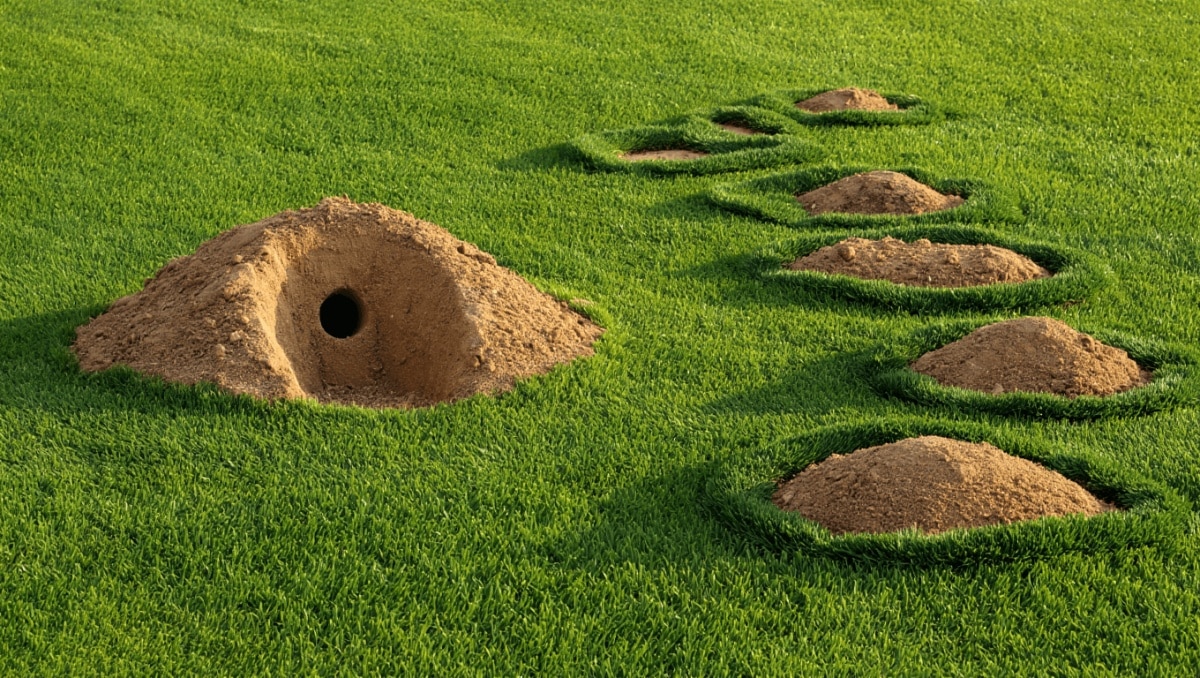
At a glance, the most obvious difference is what sits around the hole. Moles push up loose soil into visible mounds that mark the entrance to an underground tunnel. These tunnels can be extensive and sometimes feel springy underfoot. Vole openings, in contrast, tend to be low to the ground and lack large soil piles.
Michaels holiday finds under $25: 20 new gifts that look like $50
Target wall-mounted find frees up countertop space: timeless style for small kitchens
- Mole signs: round or oval soil mounds, raised ridges in turf, and subtle tunnel lines below the surface.
- Vole signs: small, neat holes with surface runs through grass, and clipped or nibbled plants nearby.
- Number of holes: multiple clustered holes and surface trails often point to voles, while scattered mounds usually indicate solitary moles.
Behavioral reasons behind the damage: what each pest eats and where they live
The animals’ diets explain their digging patterns. Moles are insectivores that hunt grubs, worms, and soil insects. They spend most of their life below ground, creating tunnels to follow prey. Because they must displace earth, they leave those obvious mounds and subsurface galleries.
Voles are small rodents that feed on vegetation. They spend significant time above ground and carve out visible paths called surface runs. These runs lead from feeding areas to burrow entrances and often show chew marks on stems and roots.
- Moles: underground hunters, rarely seen on the surface.
- Voles: surface feeders, active at dawn and dusk, and sometimes visible during the day.
- Social habits: voles live in colonies; moles are mostly solitary.
Safe ways to confirm which animal is present
Don’t put your hands into unknown holes. Small mammals will bite if cornered, and other wildlife like snakes can occupy abandoned tunnels. Try noninvasive checks first.
- Observe for a few days to note new activity.
- Set up a motion or trail camera to capture nighttime behavior.
- Fill a suspicious hole and check if it reappears within a few days.
If surface runs reappear or plant damage continues, you likely have voles. If new mounds or sunken tunnel sections show up, moles are the probable culprits.
Targeted control options: traps, habitat changes, and natural predators
Correct identification matters because control tactics differ. Using the wrong method wastes time and money.
Trapping recommendations
- Moles: best caught with scissor-jaw, harpoon, or pincer traps set directly in active tunnels.
- Voles: respond to snap-style mouse traps placed in surface runs or near burrow entrances.
Non-lethal and habitat approaches
- Reduce vole cover by keeping grass and groundcover trimmed near foundation lines and garden beds.
- Remove brush piles and dense vegetation where voles nest.
- Improve drainage and reduce excess thatch to make turf less attractive to moles hunting soil insects.
Encouraging predators
Natural predators can help control vole populations. Installing owl boxes or preserving habitat for hawks and foxes can reduce rodent numbers over time. This is more effective for voles than for underground-feeding moles.
When to call a professional and safety tips for homeowners
If the infestation is widespread or traps and deterrents fail, contact a licensed pest control expert. Professionals can map tunnel systems and use specialized equipment safely. Avoid handling traps and wildlife on your own if you are unfamiliar with local regulations or safety precautions.
- Wear gloves when dealing with burrows or traps.
- Keep pets and children away from active tunnels and baited areas.
- Document damage with photos to help a pro assess the problem quickly.










