Show summary Hide summary
Late summer tomatoes can feel endless until September arrives and the vine slows. If you want more ripe fruit before the cold shuts the season down, a single pruning move can change the outcome. It’s simple, quick, and especially powerful for vining tomato varieties. Read on to learn when and how to do it so you harvest more red, flavorful tomatoes before frost arrives.
Why a late-season prune helps tomatoes finish strong
Red lawn flag meaning: what it signals and what to do
Old windows turn into jaw-dropping DIY greenhouse: upcycler’s incredible transformation
Toward the end of the growing season, tomato plants often keep producing new blossoms and tiny fruit instead of finishing what’s already set. That new growth demands energy. By removing the plant’s growing tip, you force it to shift resources from making more fruit to ripening the fruit already on the vine.
Topping a tomato means cutting the plant’s main stem. This action does two key things:
- Limits upward growth when plants have outgrown cages or stakes.
- Redirects energy into ripening existing fruit instead of forming new clusters.
This tactic won’t suit every tomato type, but when timed right it can increase the number of mature tomatoes you pick in September and early fall.
Which tomato plants benefit and how to identify them
Not all tomatoes respond well to topping. The technique is best for indeterminate varieties. These are the vining plants that grow and set fruit continuously until frost stops them.
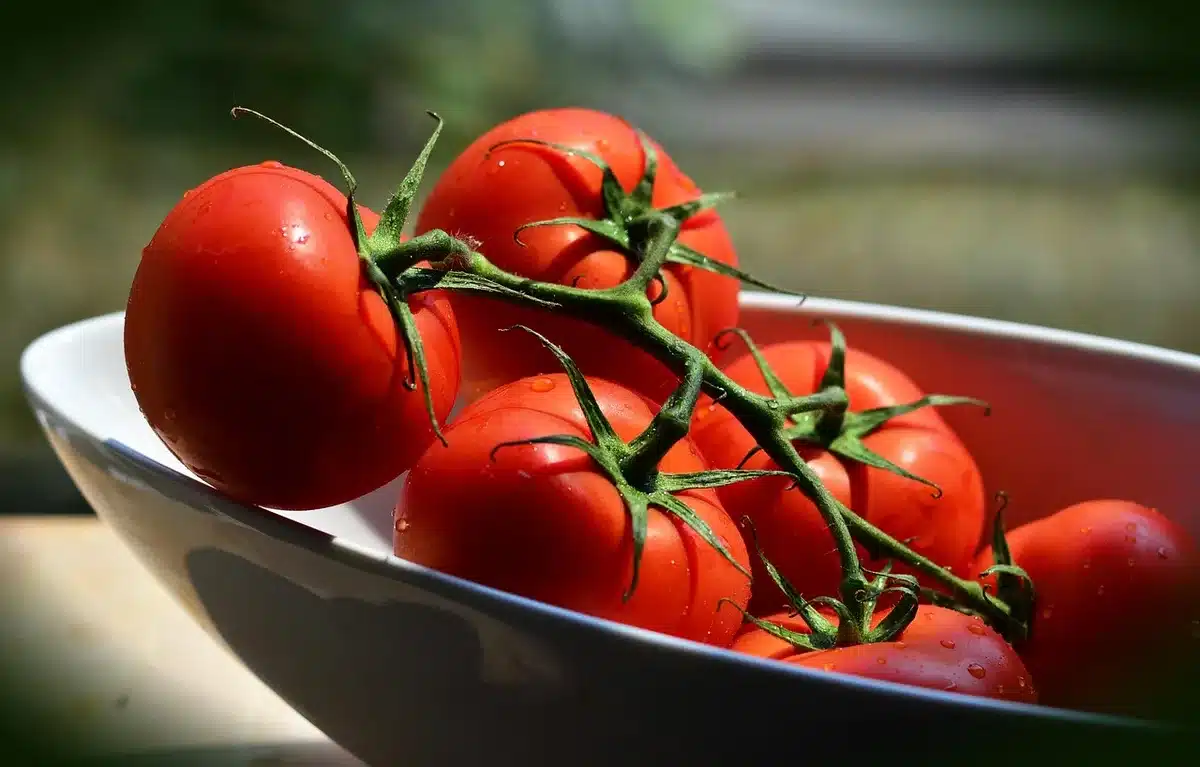
Signs your plant is indeterminate:
- Long, climbing growth that needs staking or trellising.
- Fruit production spread out over many weeks.
- Suckers forming in leaf axils that keep growing into new stems.
Determinate types stop growing after a set period and usually produce one main crop. They rarely need topping because their harvest period is naturally short.
When to top tomatoes for the best ripening results
Timing matters. Aim to top about four to eight weeks before your expected first frost. That gives fruit time to color and sweeten on the vine.
- Six to eight weeks is ideal for most regions.
- If you’re short on time, do it at least four weeks before frost.
- Avoid topping too early; you may reduce total yield by stopping growth prematurely.
Choose a dry day and work in the morning or late afternoon. Prune healthy plants only. Cutting while plants are wet or stressed raises the risk of disease and poor ripening.
Step-by-step: how to top your tomato plants in September
Tools and preparation
Start with clean, sharp pruners. Disinfect blades with 70% isopropyl alcohol or a diluted bleach solution to limit disease spread. Wear gloves if you prefer.
Making the cut
- Locate the main stem and find the highest fruit cluster that looks likely to ripen.
- Decide the point to cut: above the last mature fruit cluster or leaf node you want to keep.
- Make a clean cut. A smooth slice heals faster than a jagged tear.
- Do not remove more than one-third of the plant at once to avoid shock.
Optional: Remove large suckers and excess foliage that block airflow or shade ripening fruit. This directs more energy and sunlight to the remaining tomatoes.
Practical tips and common errors to avoid
- Avoid topping diseased or severely stressed plants. Weak plants need support, not more pruning.
- Don’t cut during the hottest part of the day. Heat and sunscald risk increase for exposed fruit.
- Monitor ripening after topping and harvest mature fruit promptly. Picking encourages remaining fruit to ripen evenly.
- Use trellises or cages earlier in the season so plants aren’t tangled when you top them.
Remember that topping trades potential late flowers for sweeter, more fully ripened tomatoes in a shorter window. For many gardeners, that trade-off is worth the extra flavor before frost.