
Show summary Hide summary
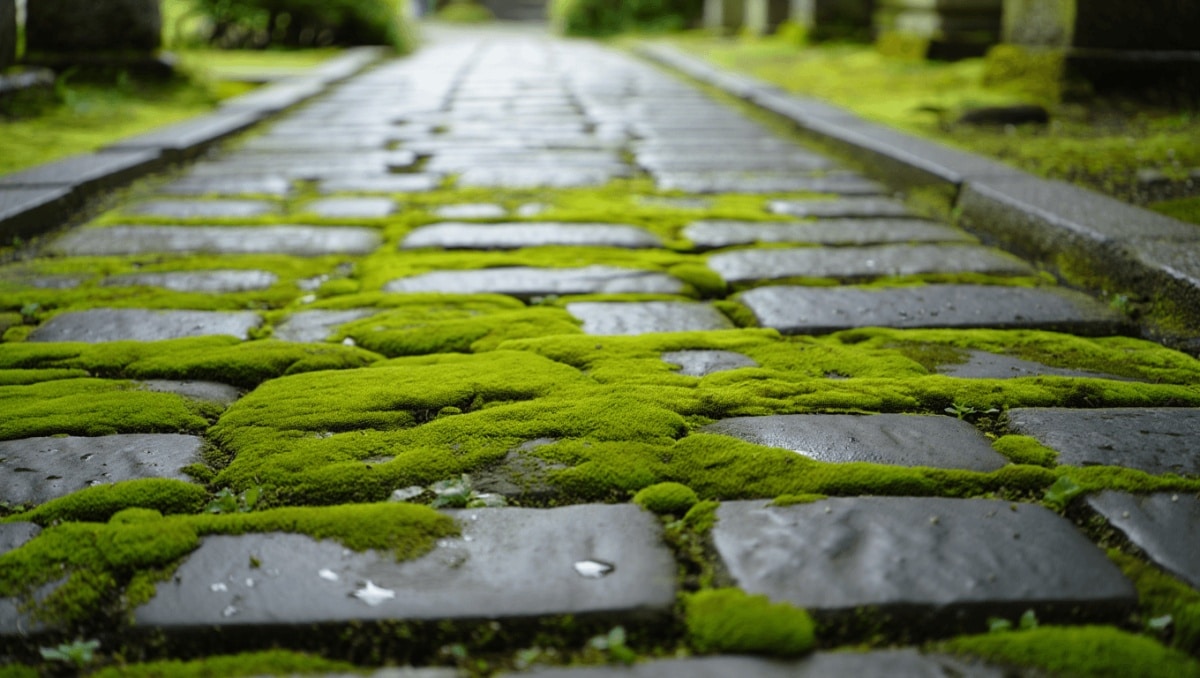
Moss can lend a romantic, verdant look to an outdoor path. It can also make surfaces slick and untidy. If you want clear, safe walkways without hours of scraping or strong chemicals, a pressure washer is a fast and effective fix. This guide walks you through choosing gear, picking nozzles, and using techniques that remove moss from cracks while protecting your paving.
What causes moss between pavers and why removal matters
Moss thrives where moisture, shade, and organic debris collect. Cracks and joints trap soil and seeds. Over time, that creates a soft bed where moss takes hold.
Michaels holiday finds under $25: 20 new gifts that look like $50
Target wall-mounted find frees up countertop space: timeless style for small kitchens
- Moss makes surfaces look unkempt.
- It increases slip risk in rain or frost.
- Left unchecked, moss can displace joint sand or damage mortar.
Removing moss is as much about safety as aesthetics. A clean surface reduces accidents and protects paving materials.
How to pick the right pressure washer for sidewalks and patios
Pressure washers vary by water pressure, portability, and power source. Match the tool to the job to avoid harm.
- Electric models are lighter and ideal for small areas or delicate surfaces.
- Gas models offer higher power for large driveways and heavy buildup.
- Renting is a good option for one-off jobs.
Look for an adjustable unit. Being able to dial pressure up or down prevents accidental surface damage.
Recommended pressure ranges
- Large concrete driveways: higher pressure, often above 2,500 PSI.
- Concrete pavers: moderate pressure, roughly 1,500–2,000 PSI.
- Older brick or fragile stone: low pressure, around 800–1,200 PSI.
These are general ranges. Test in a discreet spot before tackling the whole surface.
Selecting nozzles and spraying method to strip moss safely
Nozzle choice controls the spray pattern and force. That affects cleaning power and surface impact.
- Fan nozzles spread water over a wider area and reduce gouging.
- Mid-angle nozzles penetrate cracks without concentrating too much force.
- A pinpoint nozzle delivers extreme force and risks damage.
Experts generally recommend 25- to 40-degree nozzles for moss. They balance cleaning ability and safety. Avoid concentrated, 0-degree tips unless you know the surface can handle them.
Keep these handling tips in mind:
- Hold the wand at least 12 inches from the surface.
- Keep the spray moving to prevent gouging.
- Secure any loose pavers or bricks before you start.
Step-by-step quick routine to remove moss from cracks
- Sweep and clear debris. Loose material reduces cleaning effectiveness.
- Inspect joints and flag loose stones. Repair or brace them first.
- Choose a moderate PSI and attach a 25- or 40-degree nozzle.
- Start at a low pressure setting and test on an inconspicuous spot.
- Work in short passes. Keep the wand moving and maintain distance.
- Rinse the area to wash away moss fragments and dislodged sand.
- Refill joints with polymeric sand or mortar as needed to restore stability.
Safety, environmental concerns, and alternatives
Pressure washing avoids many chemicals, but it can still force sediment and plant material into storm drains. Direct runoff to planted areas when possible.
- Wear eye and ear protection and non-slip footwear.
- Avoid using high-pressure tips near plants and delicate masonry.
- Consider a stiff broom or a scraper for narrow cracks where a washer is overkill.
If you prefer non-mechanical methods, gentle scrubbing or eco-friendly moss treatments exist. These options take longer but reduce runoff and vibration risks.










