
Show summary Hide summary
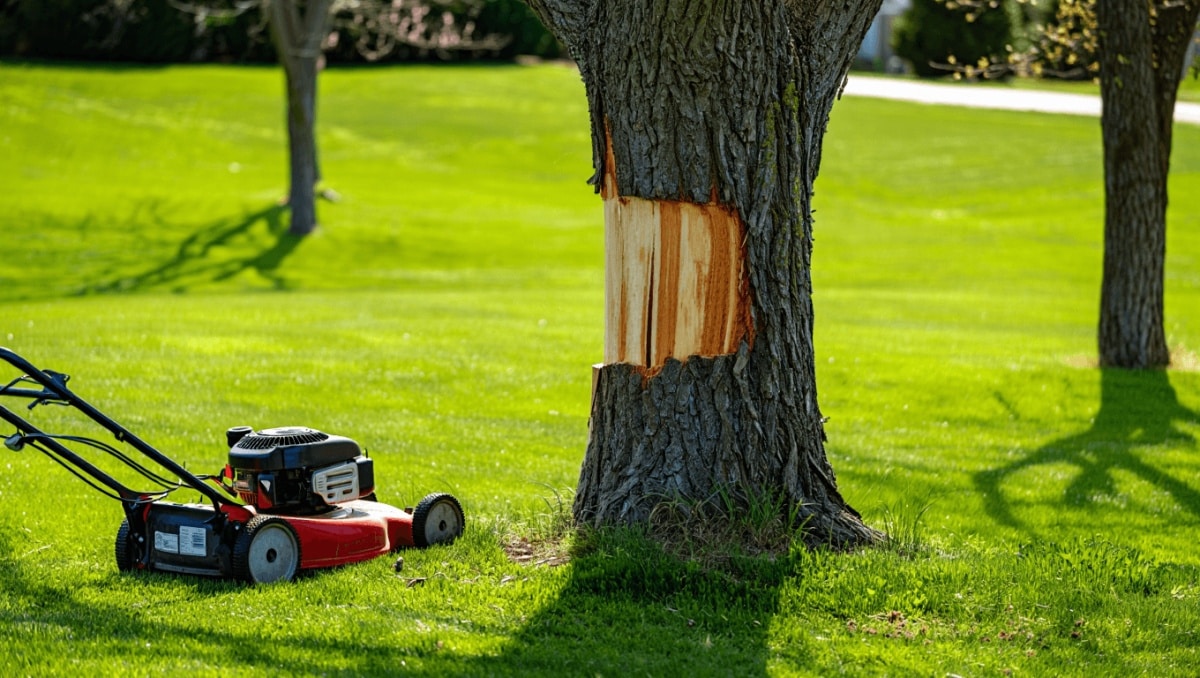
Every summer, a routine chore can quietly harm the trees that give your yard shade and character. A few careless passes with a mower or trimmer may remove bark, interrupt sap flow, and invite disease. Knowing what to look for and how to protect trunks can save mature trees from slow decline.
How lawn mowers cause hidden tree damage
Hitting a trunk with a mower or weed eater may seem minor. But bark is the tree’s first defense. When it is gouged, deeper tissues can be exposed and damaged.
Michaels holiday finds under $25: 20 new gifts that look like $50
Target wall-mounted find frees up countertop space: timeless style for small kitchens
- Superficial scrapes can still kill living cells under the bark.
- Repeated impact weakens the trunk and stunts nutrient flow.
- Open wounds attract pests and fungal infections.
Lawn mower blight is the common name for this type of injury. It is more likely where grass is thick and mowing lines run close to trees.
Common signs that a tree is suffering
Early detection helps you intervene before damage becomes irreversible. Watch for these warning signs.
- Areas of missing bark or ragged wounds on the lower trunk.
- Discolored or wilting leaves in part of the canopy.
- Slow leaf-out in spring or sparse branches.
- Evidence of rot, cracking, or oozing sap at wound sites.
If you notice these symptoms after mowing, act quickly to reduce further stress.
Mulch rings: a simple and effective shield
Creating a mulch ring around each tree is an easy, high-impact way to prevent mower blight. The mulch keeps lawn equipment away and improves soil health.
- Lay a clear area of mulch around the trunk to reduce grass growth.
- The mulch acts as a buffer against accidental strikes.
- It also helps with moisture retention and temperature control in the root zone.
Do not pile mulch against the trunk. Keeping mulch away from direct contact with bark prevents rot and pest problems.
How to build the right mulch ring
Follow these guidelines to protect trees without creating new issues.
- Measure out a radius of at least 3 feet from the trunk. For larger trees, aim for the dripline.
- Remove grass and weeds in that circle before applying mulch.
- Spread mulch to a depth of 3 to 4 inches. Thicker layers can suffocate roots.
- Keep the mulch ring loose and tapered so the trunk is visible at the base.
For newly planted trees with slender trunks, use smaller mulch pads or mulch mats to avoid smothering young bark.
Alternatives and extras: mulch mats, edging, and care tips
If you prefer low-maintenance options, consider synthetic mulch mats or stone borders. Each choice has trade-offs.
- Mulch mats reduce weeds and protect the trunk without organic buildup.
- Edging around the ring helps your mower navigate without crossing into the protected area.
- Avoid rubber or plastic directly touching the bark for long periods.
Check mulch rings annually. Replenish material as it decomposes. Inspect trunks for new nicks after each mowing season.
Seasonal timing and mowing habits to reduce risk
The threat of mower blight increases with frequent mowing and in transitional seasons. Adjust habits to protect trees.
- Mow with care near trunks. Use a string trimmer at a safe distance.
- Start mulching in spring or fall, or anytime you spot exposed bark.
- Train lawn crews and family members to avoid close passes around trees.
Consistent protection and simple yard changes can prevent long-term damage and preserve canopy health.










