
Show summary Hide summary
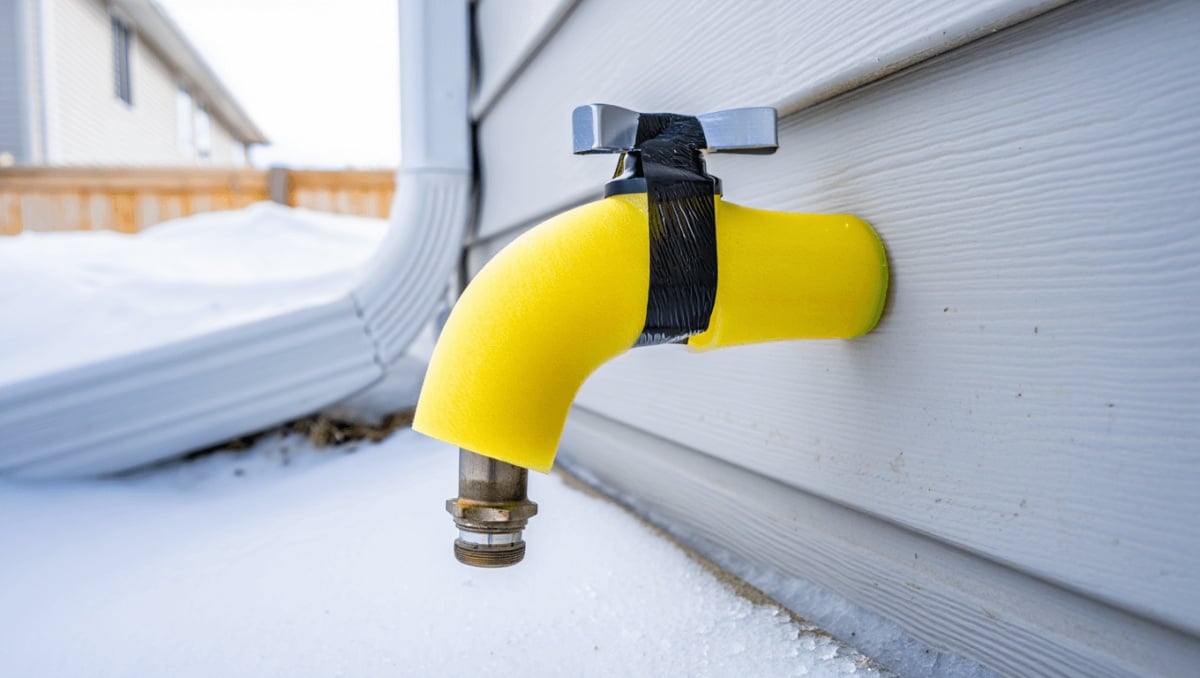
Cold weather can sneak up on homeowners. One small oversight — an exposed outdoor spigot — can lead to cracked pipes and costly repairs. A humble pool noodle, repurposed as faucet insulation, offers an easy, budget-friendly layer of protection while you do the rest of your winter prep.
Why outdoor spigots freeze and the damage that follows
Water expands as it freezes. When this happens inside a narrow pipe, the pressure can split metal and plastic lines. That damage often shows up only after a thaw, when leaks appear inside walls or under floors.
Michaels holiday finds under $25: 20 new gifts that look like $50
Target wall-mounted find frees up countertop space: timeless style for small kitchens
- Frozen water can crack copper and PVC pipes.
- Leaks may cause mold, ruined drywall, and high repair bills.
- Outdoor faucets left open can drain into the home plumbing system.
Preventing frozen pipes starts with reducing the amount of water left in exposed lines and adding insulation where cold air reaches the plumbing.
How a pool noodle doubles as a cheap faucet insulator
Pool noodles are made of closed-cell polyethylene foam. That same basic material is used in many manufactured pipe insulators.
The foam resists moisture and slows heat loss. Used correctly, a pool noodle cover blocks cold drafts and limits the chance of surface freezing.
Step-by-step: Turn a noodle into a faucet cover
- Measure the faucet and cut a 6–10 inch length of noodle.
- Slice the noodle lengthwise so it opens around the spigot.
- Slide the noodle over the faucet body and handle.
- Stuff extra insulation into the noodle’s hollow core if needed.
- Seal edges with weatherproof tape or a zip tie to hold it tight.
Tip: Add a layer of plastic or a small bag between the foam and spigot if the noodle will get wet. That prevents water absorption and extends the foam’s life.
What this trick does — and what it doesn’t do
In mild winters, a pool noodle provides effective surface insulation. It reduces direct exposure to frigid air and delays freezing.
However, the noodle is not a replacement for winterizing plumbing. In regions with prolonged below-freezing temperatures, stronger measures are needed.
Signs you need more than foam
- Nightly temperatures well below 32°F for several days.
- Older metal piping that is prone to cracking.
- No exterior shutoff valve for the outdoor line.
Professional-grade winterization steps every homeowner should know
For reliable protection, combine insulation with plumbing controls.
- Shut off the exterior water valve inside the house that feeds the outdoor faucet.
- Open the outdoor spigot and leave it open to drain residual water.
- Blow out lines with low-pressure air if recommended for sprinkler systems.
- Install a purpose-built insulated faucet cover for long, cold seasons.
- Consider heat tape on exposed pipes in extreme climates.
If you can’t locate the shutoff valve or you see corrosion, contact a licensed plumber for a winterization inspection.
Quick materials list and buying tips
- Pool noodle — closed-cell polyethylene works best.
- Weatherproof tape or outdoor duct tape.
- Zip ties or bungee cords for a snug fit.
- Optional: pipe insulation, small foam inserts, or a plastic bag liner.
Choose a noodle slightly larger than the faucet diameter to allow room for extra insulation. Replace foam that shows cracking or waterlogging.










