
Show summary Hide summary
You spot green shoots pushing up from the gaps between your sidewalk slabs and feel the urge to blast them away. A pressure washer promises speed and satisfaction. Before you pull the trigger on that high‑pressure nozzle, know what it will actually do to the plants — and to your hardscape.
Why a pressure washer only masks the weed problem
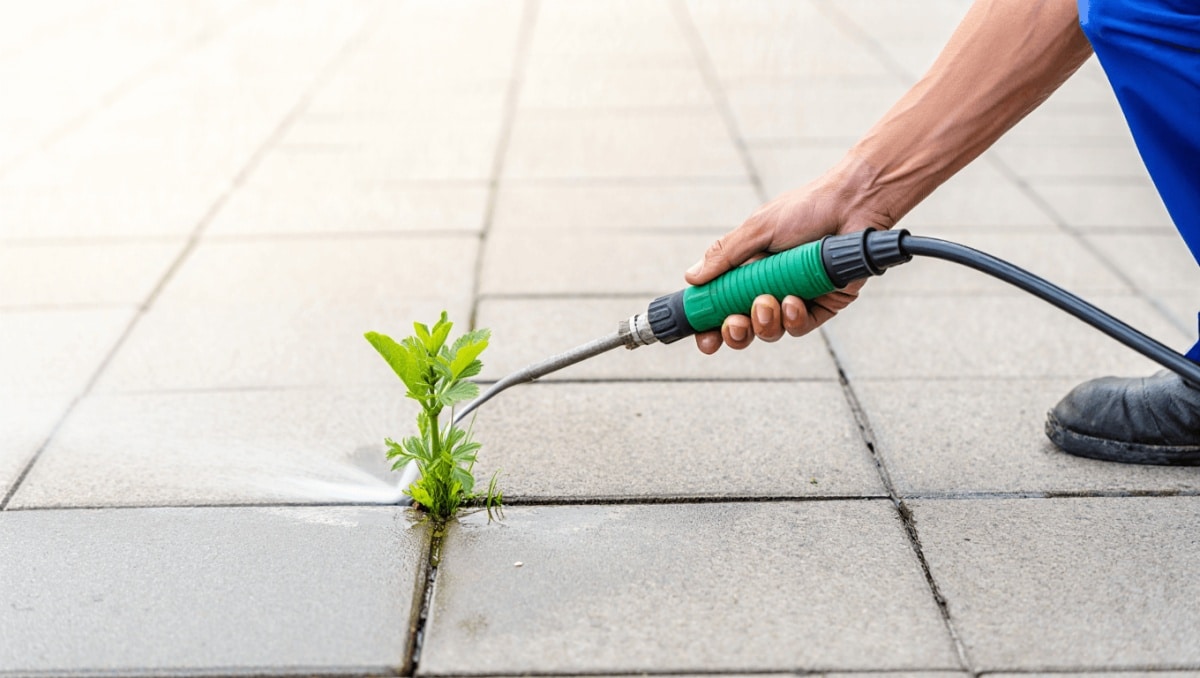
Pressure washing will remove visible foliage and loosen dirt lodged in cracks. The jet tears away the tops of plants and flings debris clear. That immediate cleanup can feel like a win.
Michaels holiday finds under $25: 20 new gifts that look like $50
Target wall-mounted find frees up countertop space: timeless style for small kitchens
However, many common crack weeds have deep or fibrous roots and resilient crowns. High‑pressure water rarely destroys the root system. The plant can regrow from fragments or surviving root tissue. In days or weeks, new shoots often appear.
How pressure washing can damage sidewalks and pavers
The same force that shreds weeds can erode joint material and surface binders. Mortar and sand between pavers are vulnerable to pressure. Over time, this weakens the slabs.
- Joint erosion: water can wash out sand or mortar, leaving gaps.
- Stone or concrete lift: loose base material leads to shifting or heaving.
- Surface pitting: intense pressure can etch or chip concrete and stone.
- Drainage changes: removed material can alter how water flows around your hardscape.
Repairing washed‑out joints and reset slabs is often more expensive than manual weed removal. For historic paving or delicate materials, pressure washing may be outright harmful.
Effective, safer alternatives to pressure washing weeds
There are multiple ways to tackle weeds in cracks without risking your walkway. Choose based on the severity of growth and your comfort level.
Mechanical removal
- Hand pulling or using a weeding tool removes root crowns directly.
- Use a dandelion fork or narrow trowel to pry roots from deep pockets.
- Best for small areas and for preventing immediate regrowth.
Thermal control and flame weeders
- Flame weeders kill foliage by rupturing cell walls with heat.
- They do not always destroy deep roots. Repeated passes may be needed.
- Safety tips: keep water or an extinguisher close, work on non‑windy days, and check local fire rules.
Chemical and natural herbicides
- Commercial systemic herbicides reach roots and can offer longer control.
- Natural options like vinegar or boiling water damage foliage and small roots.
- Baking soda can inhibit regrowth when applied sparingly to joints.
- Salt and harsh chemicals can harm nearby plants and soil health — use with caution.
Preventing weeds from coming back between slabs
Stopping seeds and roots from reestablishing is the best long‑term plan. Combine repair, filling, and routine care for the best results.
- Remove loose material and recompact the base if joints are badly eroded.
- Refill joints with polymeric sand or fresh mortar to lock out weeds and stabilize pavers.
- Apply a suitable sealant to concrete and stone, where recommended, to slow erosion.
- Improve drainage and slope to reduce standing water in joints.
- Inspect and pull new shoots regularly. A quick follow‑up prevents reestablishment.
If infestations are extensive or the paving has structural damage, consider hiring a professional. Contractors can assess joint integrity, reset slabs, and apply long‑term treatments that protect both the surface and the base.










