
Show summary Hide summary
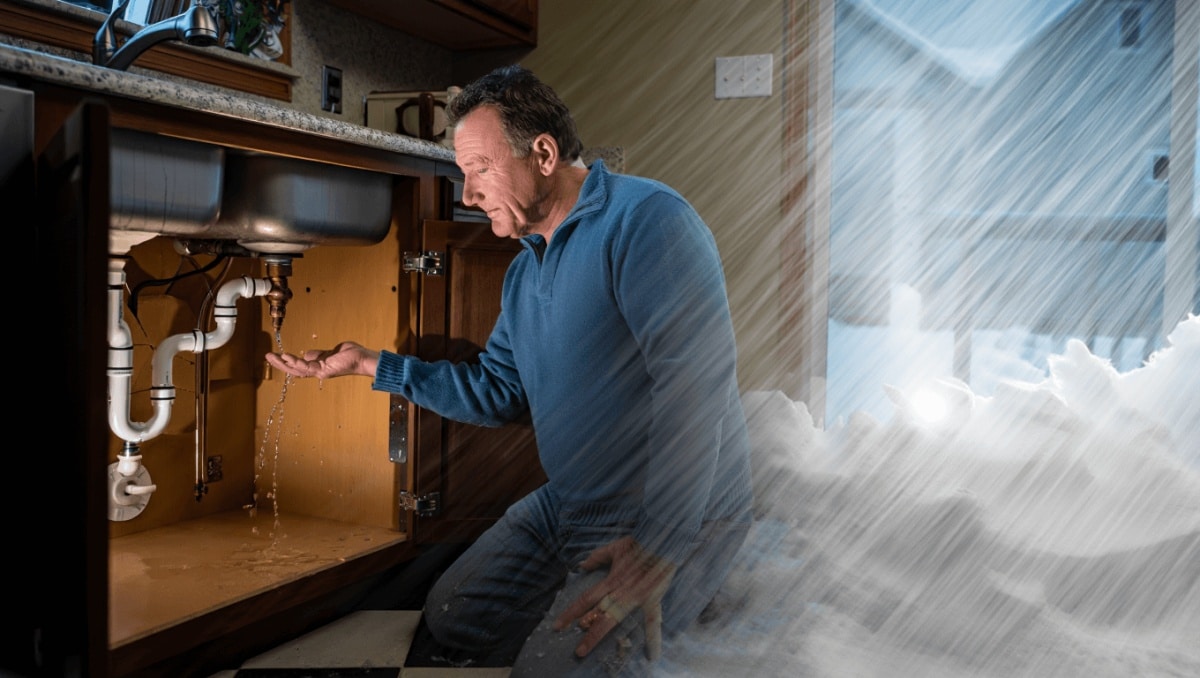
With a blast of Arctic air on the way, a simple household habit could prevent a winter plumbing nightmare. Homeowners who ignore exposed pipes risk burst lines, water damage, and expensive repairs. A small change — like leaving sink doors open — can let warm room air reach vulnerable pipes and reduce the odds of freezing.
Why leaving sink doors open helps protect pipes from freezing
Warm air from your living spaces rarely reaches the plumbing tucked behind cabinet doors. Opening those doors creates direct airflow. This keeps pipe temperatures closer to room temperature and lowers the chance of ice forming inside the lines.
Michaels holiday finds under $25: 20 new gifts that look like $50
Target wall-mounted find frees up countertop space: timeless style for small kitchens
Pipes are most at risk when outdoor temperatures fall below about 20°F. As water freezes, pressure builds inside the pipe and can cause a rupture when temperatures rise. Even a small crack can release a large volume of water quickly.
Quick, actionable steps to prevent frozen pipes this winter
Combine simple habits with a few preventive measures for the best protection. The list below is designed for busy homeowners.
- Open cabinet doors under sinks in bathrooms and kitchens to let warm air circulate.
- Relocate household cleaners and chemicals before leaving doors open. Keep them out of reach of children and pets.
- Allow a slow, steady drip from faucets during extreme cold. Moving water is less likely to freeze.
- Insulate exposed pipes with foam sleeves or wrap heat tape around problem sections.
- Seal gaps and cracks in exterior walls to prevent cold drafts near plumbing.
- Keep interior doors open to encourage whole-house airflow around plumbing runs.
How to shut off and drain your system when temperatures become extreme
- Locate the main shut-off valve and turn off the water if you will be away or expect prolonged subzero conditions.
- Open all faucets and drains to remove water from interior lines.
- Flush toilets and empty low points such as sump pumps or outdoor spigots if applicable.
- Consider professional help if your home has complex systems or if you’re unsure about steps.
Where pipes most often freeze and what to watch for
Not all pipes face the same risk. Those in unheated places or along exterior walls are the usual trouble spots.
- Basements and crawl spaces often lack consistent heating.
- Attics and exterior wall cavities can drop well below indoor temperatures.
- Outdoor hose bibs and irrigation lines are vulnerable without winterizing.
Act quickly if a pipe freezes. Ice inside a pipe can expand and create hairline cracks that leak once thawed. A single small break can discharge hundreds of gallons of water a day and cause costly repairs.
Balancing cost and comfort: heating, space heaters, and running water
Raising the thermostat a few degrees at night or placing a small heater in a cold utility closet helps maintain safe pipe temperatures. Running space heaters uses electricity, but it may be far cheaper than repairing water damage later.
If you choose the faucet-drip method, remember that it loses effectiveness as the mercury drops very low. Combine methods for better results. For example:
- Insulate pipes and open cabinet doors.
- Keep a slow drip while maintaining steady indoor heat.
Safety reminders for families and pets
Open cabinets expose cleaning supplies and sharp objects. Before you leave cabinets ajar, move hazardous items to a secure location. Consider cabinet locks if curious children or pets are present.
Take caution with space heaters and heat tape. Follow manufacturer instructions and keep flammable materials away. If unsure, consult a licensed plumber or electrician.










