

Show summary Hide summary
- What to do right away when you find a rattlesnake
- How professionals handle rattlesnake removal and relocation
- Practical yard changes that reduce rattlesnake visits
- Common myths and dangerous mistakes to avoid
- Working with local resources and choosing help
- Coexisting with rattlesnakes: a practical mindset
Spotting a rattlesnake near your home jolts the heart and sparks urgent questions: stay or flee, call for help, or try to remove it yourself? This guide walks you through calm, practical steps to protect people and pets, avoid harm to the animal, and reduce the chance of repeat visits.
What to do right away when you find a rattlesnake
Michaels holiday finds under $25: 20 new gifts that look like $50
Target wall-mounted find frees up countertop space: timeless style for small kitchens
Keep calm and give the snake room. Sudden moves can provoke a strike. Most bites happen when people try to handle or harass snakes.
- Move away slowly. Back off until you’re a safe distance.
- Bring children and pets inside. Secure doors and keep them clear of the area.
- Do not try to capture, kill, or poke the snake. Tools and sticks often increase risk.
- Mark the location from a distance. Note landmarks to help professionals find it.
- Call local animal control or a licensed wildlife removal service. They have training and equipment to respond safely.
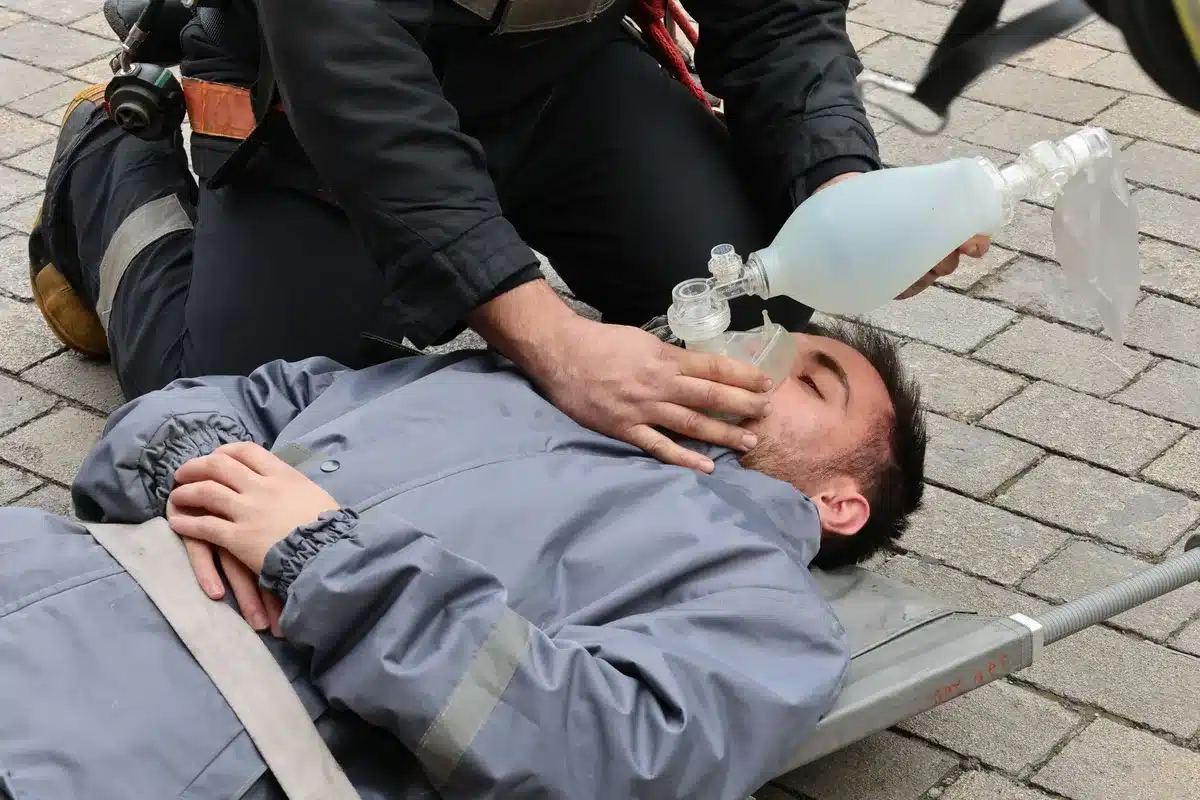
If a bite occurs: immediate first steps
- Call emergency services now. Rapid medical care is critical.
- Keep the victim calm and still. Limit movement to slow venom spread.
- Remove tight clothing or jewelry near the bite site.
- Do not cut the wound, apply a tourniquet, or try to suck out venom.
- If possible, note the snake’s appearance from a safe distance to inform clinicians.
How professionals handle rattlesnake removal and relocation
Trained responders assess the situation and choose a humane solution. They balance human safety with wildlife welfare.
- Animal control officers or licensed snake handlers use tools that keep distance.
- Professionals may remove and relocate snakes only when necessary.
- Transporting a snake far from home is not always the best option. It can harm the animal and disrupt local ecosystems.
- Ask what methods the service uses and whether they euthanize animals.
Experts often recommend containment measures instead of nationwide relocations. For ongoing risk, they may suggest habitat modification or installation of snake-proof fencing.
Practical yard changes that reduce rattlesnake visits
Rattlesnakes are drawn to yards that offer food, water, and hiding spots. Simple changes can make your property less attractive.
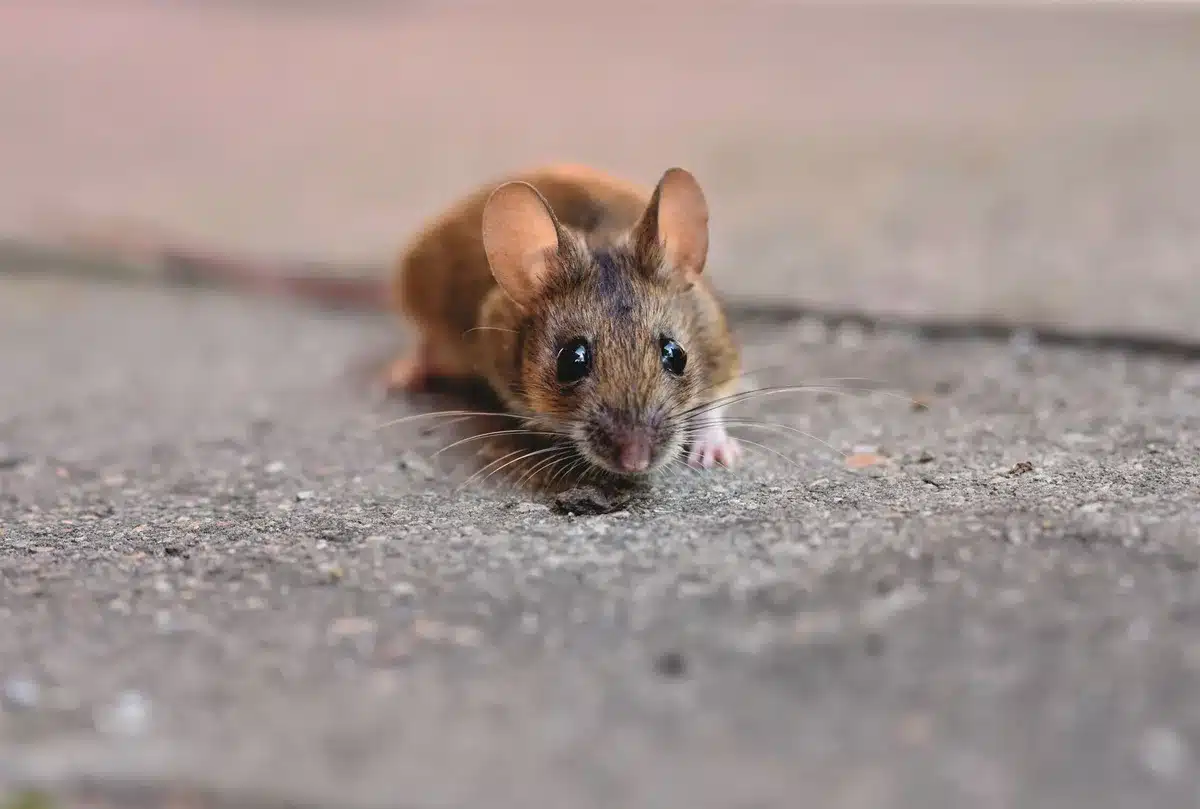
- Control rodents. Remove bird seed, pet food, and exposed feed that attract mice and rats.
- Store garbage tightly and manage compost to avoid creating a rodent buffet.
- Eliminate hiding places: clear rock piles, trim dense brush, and stack wood away from the house.
- Minimize irrigated, cluttered garden spots that lure small prey animals.
- Seal gaps under foundations, porches, and sheds where snakes can enter.
- Consider installing fine-mesh, snake-proof fencing around play areas and pools.
Landscaping tips to keep snakes at bay
- Keep grass trimmed and remove excess leaf litter.
- Avoid tall ground cover near doors and patios.
- Use gravel or low-maintenance groundcover where possible.
Common myths and dangerous mistakes to avoid
Misinformation leads to risk. Separate fact from fiction to protect people and wildlife.
- Repellents and sonic devices: No scientific proof they work. These products often fail.
- Trying to kill or handle a snake: Most bites occur during such attempts. It’s safer to wait for experts.
- Moving a snake far away: Relocation can stress or doom the animal and might not stop others from moving in.
- Incorrect first aid: Cutting the wound, sucking venom, or applying a tourniquet worsens outcomes.
- Handling dead snakes: Snakes can reflexively bite even after being killed.
Working with local resources and choosing help
Know who to call before an encounter. Quick contact info and clear expectations save time in an emergency.
- Contact local animal control for a first response.
- Search for licensed wildlife rehabilitators or snake removal specialists in your area.
- Ask about fees, response times, and methods used.
- Keep your chosen contact saved on your phone and posted near the main exit.
Coexisting with rattlesnakes: a practical mindset
Rattlesnakes have lived in these landscapes long before development. Rather than wage war, focus on coexistence.
- Accept that some snake sightings are simply wildlife passing through.
- Prioritize nonlethal solutions that protect humans and animals.
- Educate family members about safe behavior and what to do if they encounter a snake.
- Distance, prevention, and calling professionals are the most effective strategies.










