
Show summary Hide summary
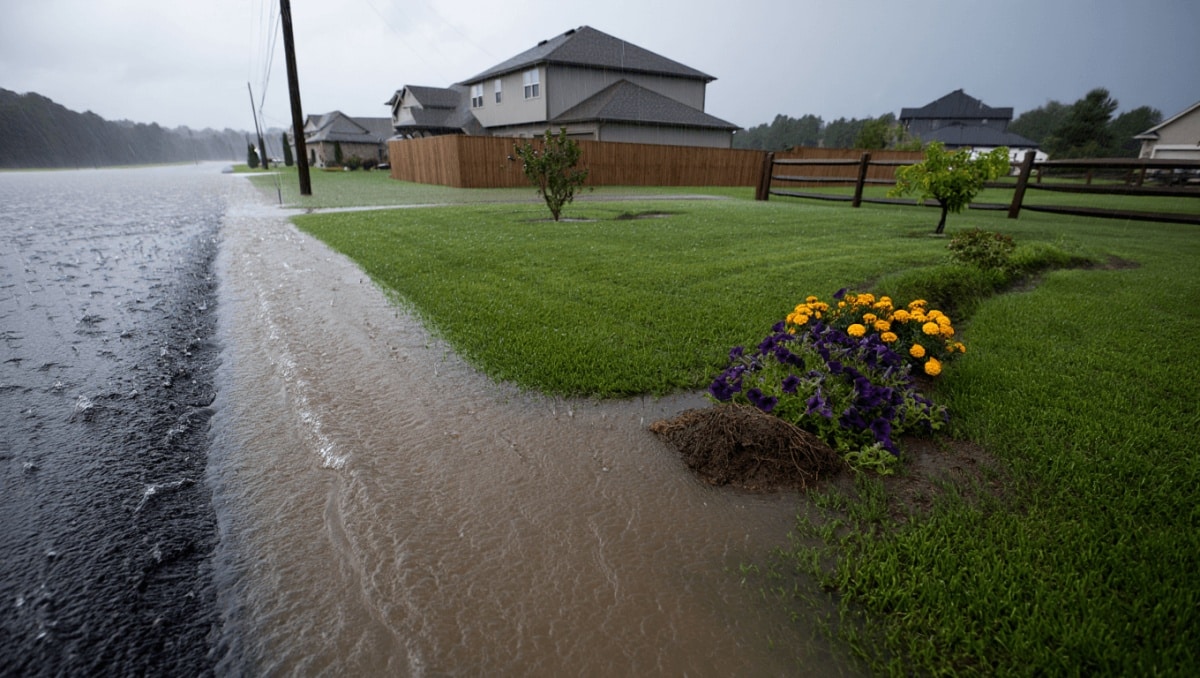
When a hard rain hits, your yard can turn from tidy to trashed in a few minutes. In developed neighborhoods, pavement and roofs send torrents of water where soil once absorbed it. That rush can wash out flower beds, undermine foundations, and carry oil and sediment into creeks. The fix often isn’t a giant municipal project. A well-designed, natural landscaping feature on your property can slow, divert, and clean stormwater before it causes damage.
Why stormwater runoff is a growing problem for homeowners
Hard surfaces prevent rain from soaking into the ground. Instead, water sheets across driveways and streets, gaining speed and carrying pollutants. That flow can:
Michaels holiday finds under $25: 20 new gifts that look like $50
Target wall-mounted find frees up countertop space: timeless style for small kitchens
- cause localized flooding
- erode topsoil and expose roots
- move contaminants into streams and rivers
Municipal drains help, but they can be overwhelmed by big storms. That’s why managing runoff at the property level matters. Homeowners who act can reduce erosion and improve water quality.
An easy, effective solution you can install: bioswales and rain gardens
One of the simplest, most powerful tools is a shallow, planted trench that intercepts runoff. Known as a bioswale or a rain garden, this feature slows water, lets it percolate, and filters pollutants. You can make one with basic digging and some strategic planting.
Bioswales often look like a long, narrow depression following the natural slope of the land. They may be lined with gravel or rocks to mimic a dry streambed. Rain gardens are usually more rounded and designed to hold water for a short time after storms.
How plants do the hard work
Vegetation is where the magic happens. Plants intercept rainfall, slow surface flow, and encourage infiltration. Their roots create channels in the soil that help water move downward. Native species are the best choice because they thrive in your climate and form deep, stabilizing root systems.
- Native grasses loosen compacted soil.
- Perennials improve filtration and add seasonal interest.
- Shrubs can slow flow and hold soil on steeper sites.
Well-planned planting turns a drainage feature into a wildlife-friendly garden that attracts pollinators and birds.
Design basics: where to put it and how big it should be
Start by mapping how water moves across your lot during heavy rain. Locate low spots and points where water tends to collect. Place the swale or rain garden where it can intercept runoff before it reaches vulnerable areas like foundations or slopes.
Sizing and placement tips
- Follow the yard’s natural contours; water flows downhill—use that to your advantage.
- Make the depression wide enough to slow water, not just channel it.
- Connect the feature to a drain, dry well, or overflow route for very large storms.
Step-by-step: build a functioning bioswale or rain garden
Installation can be a DIY weekend project. Here’s a basic sequence:
- Mark the area with spray paint or stakes.
- Dig to create a shallow basin or channel, following the slope.
- Amend soil if drainage is poor—add coarse sand or gravel in zones that need it.
- Install an underlayer of rock where needed to aid infiltration.
- Plant with native species arranged for seasonal interest and erosion control.
- Mulch lightly to reduce weeds and retain moisture while plants establish.
Early maintenance is crucial. Remove sediment and debris after big storms. Pull weeds while plants are young. If water still pools too long, adjust depth or widen the feature.
Resources and expert help
If you want guidance, reputable agencies publish design specs and plant lists. The U.S. Environmental Protection Agency and local stormwater offices offer free resources. For complex yards or severe drainage problems, a landscape architect or stormwater specialist can design a long-term solution.










