
Show summary Hide summary
- Can vinegar and Mr. Clean be used together safely?
- Why the chemistry matters: what happens when cleaners mix
- Practical safety steps when using multiple cleaners
- Which cleaner should you choose for different surfaces?
- Tips for avoiding accidental chemical reactions
- What to do if fumes or a reaction occur
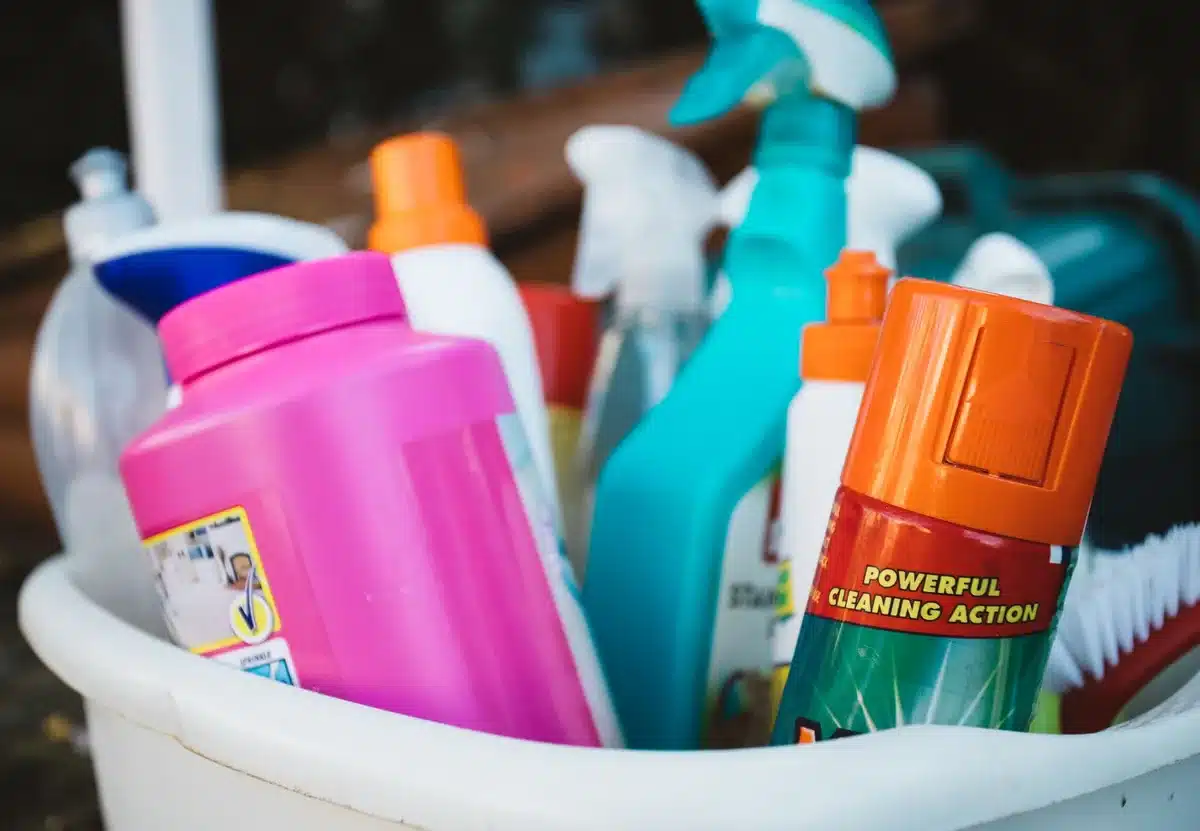
Many people reach for both a bottle of Mr. Clean and a jar of vinegar when tackling household messes. It seems logical to combine a trusted commercial cleaner with a natural acid for extra power. But mixing cleaners can backfire—sometimes by simply weakening their effectiveness, and in other cases by releasing harmful gases. Here’s what to know before you pour anything together.
Can vinegar and Mr. Clean be used together safely?
Michaels holiday finds under $25: 20 new gifts that look like $50
Target wall-mounted find frees up countertop space: timeless style for small kitchens
Short answer: not mixed. Some Mr. Clean formulations are safe to follow one another if surfaces are rinsed and dried first, but combining products in the same container or spraying them together is risky.
- All-purpose Mr. Clean often contains sodium carbonate, a basic compound also called washing soda.
- Cleaning vinegar contains acetic acid at roughly 5–6% concentration, which reacts with bases.
- When acid and base meet, they neutralize each other. That chemical reaction produces fizz and reduces cleaning power.
Why the chemistry matters: what happens when cleaners mix
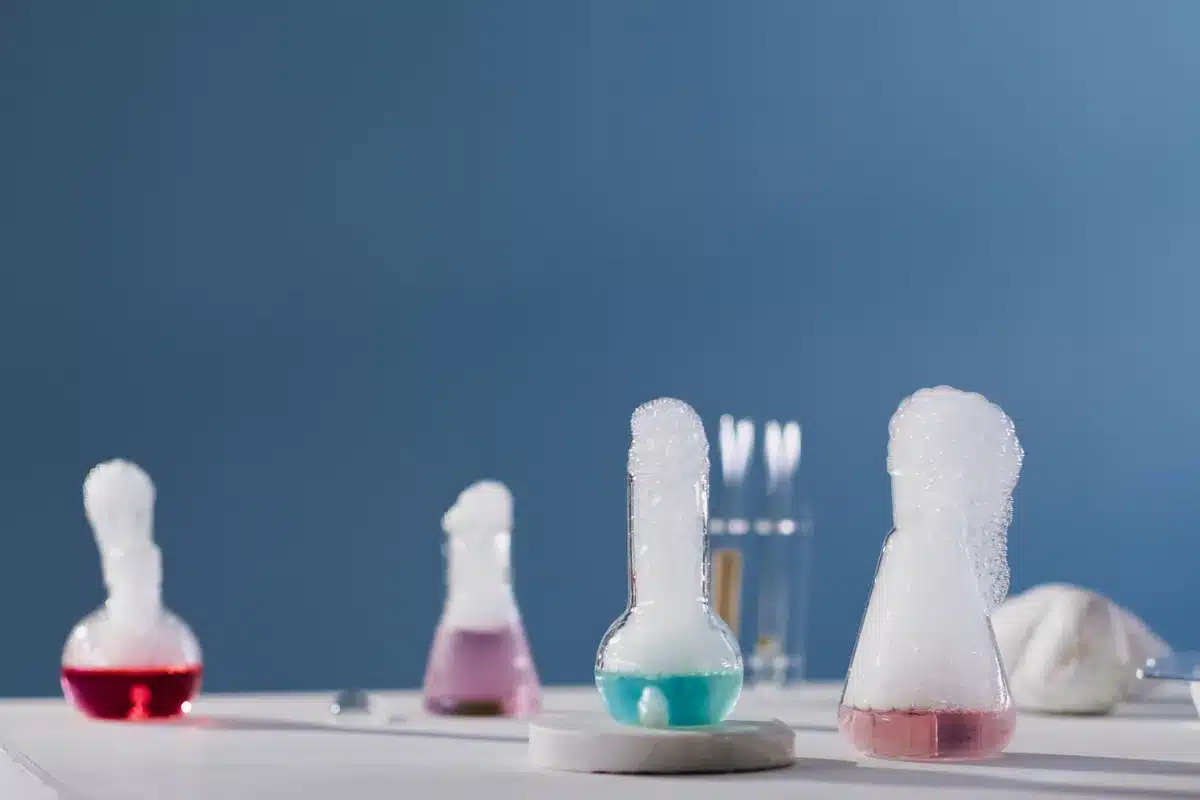
Mixing an acid and a base is not usually life-threatening, but it defeats the point of using either product. The acid in vinegar counters the action of a base like sodium carbonate, leaving both with less cleaning ability.
More dangerous combinations to avoid
- Vinegar + bleach: produces chlorine gas, which irritates eyes, lungs, and skin. High exposure can be hazardous.
- Bleach-containing Mr. Clean products: will react badly with acidic cleaners and should never be mixed with vinegar.
Practical safety steps when using multiple cleaners
It’s fine to use different products on the same surface—provided you follow simple precautions. Read labels, work in a ventilated space, and keep products separate.

- Always check the ingredient list on both bottles.
- If using one product after another, rinse the surface thoroughly first.
- Open windows and turn on fans if a reaction occurs or if fumes build up.
- If you accidentally combine cleaners, leave the area until it clears and ventilate well.
Which cleaner should you choose for different surfaces?
Both vinegar and Mr. Clean have their places, but they are not interchangeable.
- Use Mr. Clean or a commercial all-purpose for greasy, grimy, or sticky messes.
- Choose vinegar for mild mineral deposits, glass, and some light disinfecting tasks—never on natural stone.
- Avoid vinegar on marble, granite, and other acid-sensitive countertops. The acid can dull or etch finishes.
Tips for avoiding accidental chemical reactions
Simple habits prevent most problems. Label spray bottles. Store cleaners in their original containers. Teach household members which products are incompatible.
- Never transfer bleach into an unlabeled spray bottle.
- Keep a list of incompatible combos handy—especially vinegar + bleach.
- When hiring professional cleaners, ask what products they plan to use.
What to do if fumes or a reaction occur
If you notice strong fumes, coughing, eye irritation, or dizziness after mixing cleaners, move everyone outdoors immediately. Open windows and doors. If symptoms persist, seek medical attention and inform responders about the chemicals involved.
Never underestimate the risk: some reactions produce gases that can harm respiratory health in minutes.










