
Show summary Hide summary
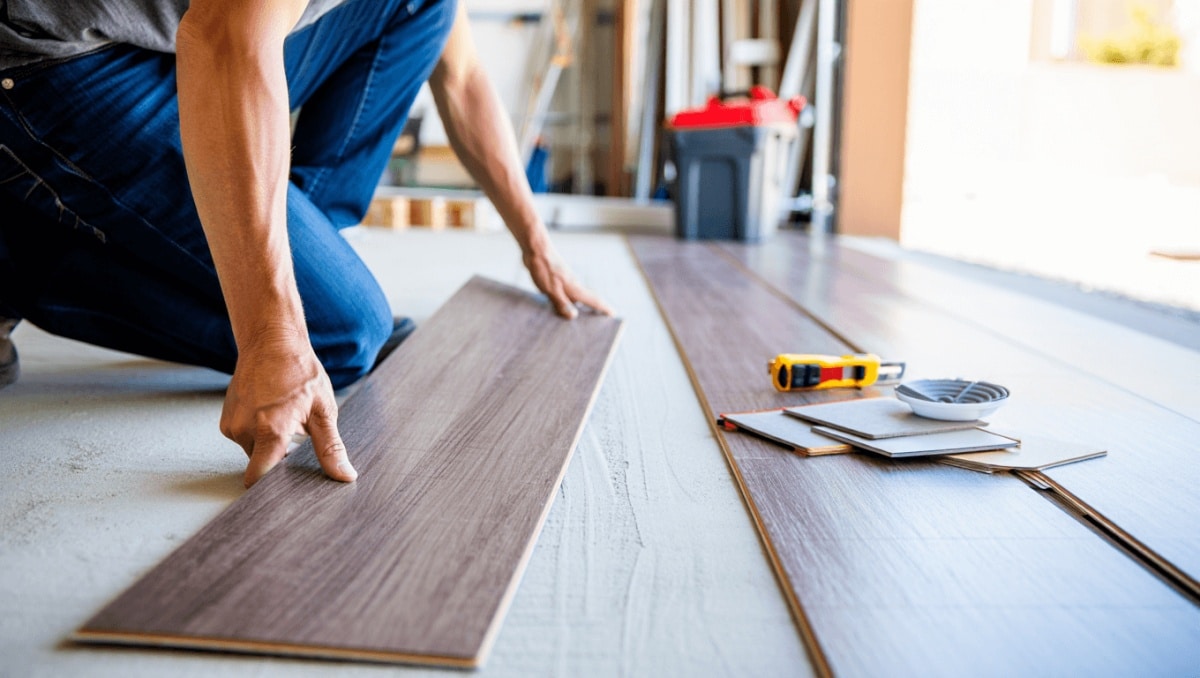
Thinking about laying vinyl in your garage? It seems like an easy choice. Vinyl looks durable, is easy to clean, and comes in many styles. But garages present unique challenges, and “vinyl flooring” covers many very different products. Choosing the right type, installation method, and adhesives will decide whether the floor lasts or fails under cars, moisture, and temperature swings.
Vinyl varieties explained: which types suit a garage
Vinyl flooring is not a single material. Each product performs differently under heavy loads and changing conditions.
Michaels holiday finds under $25: 20 new gifts that look like $50
Target wall-mounted find frees up countertop space: timeless style for small kitchens
- Luxury vinyl plank (LVP) and luxury vinyl tile (LVT): these mimic wood and stone, and many are click-lock or glue-down. Their cores vary.
- Sheet vinyl: a continuous roll that resists seams and is often more tolerant of moisture.
- Vinyl composition tile (VCT): a commercial-grade option made with limestone and binders for toughness and long service life.
- Core types: SPC (stone polymer core) is rigid and handles weight well. WPC (wood polymer core) is softer and dents more easily.
Knowing the exact product is essential. A click-lock LVP behaves differently than glue-down LVT. Sheet vinyl can outperform planks in wet conditions. VCT is a workhorse in commercial settings and can be a strong garage choice.
Common garage stresses and how vinyl reacts
Garages see point loads from tires, heavy tools, and temperature swings. Those factors determine whether a vinyl floor will survive.
- Weight and impact: Heavy equipment or frequent movement increases the risk of dents and seam separation.
- Temperature changes: Uninsulated garages can heat up or cool down dramatically. Some vinyl expands and contracts with these shifts.
- Moisture and vapor drive: Concrete slabs can push moisture upward. That can break down adhesives or cause buckling.
- Chemical exposure: Oils, fuels, and harsh cleaners can stain or degrade certain vinyl finishes.
Solar gain through windows can create rapid temperature spikes. In that situation, floating planks may shift or gaps may open under parked vehicles. Always match the product tolerance to local conditions.
Installation choices that change performance
How you install vinyl influences durability more than the color or pattern.
Floating vs. glue-down
Floating floors are easier to install. They allow movement and can be damaged by heavy point loads or tire rotation. Glue-down options resist movement and distribute loads better.
Moisture protection and membranes
Concrete can test adhesives. A waterproof surface membrane (WSM) or epoxy primer can block moisture and give adhesives a stable surface.
- Sheet membranes work under glue-down installations.
- Epoxy coatings act as a moisture barrier and protect against chemicals.
- Follow manufacturer specs for slab moisture limits before installation.
Adhesive selection
The right glue matters. Acrylic-based adhesives tolerate heat and moisture swings better than some other formulas. They also stick to primers and membranes. All adhesives must be applied on a dry, level concrete slab and at the temperatures recommended by the adhesive maker.
Which vinyl options are strongest for garage use
Some vinyl products are built to handle garages. Their construction and installation method make the difference.
- SPC LVP: rigid core, resists heavy loads and point pressure. Good for garages with vehicles and workbenches.
- Commercial VCT: very durable, cost-effective, and can be stripped and polished for long life.
- Garage-specific sheet vinyl: certain roll goods are designed to accept glue-down or float installs and tolerate common garage chemicals.
Glue-down installations typically outperform floating systems in garages. They limit plank movement and improve load distribution under cars. A properly prepared, dry concrete slab plus a compatible adhesive will give the best result.
Maintenance, cleaning, and long-term considerations
Even durable vinyl needs care. Choose cleaning products labeled safe for vinyl and avoid harsh solvents that eat finishes.
- Clean spills quickly, especially oil and gasoline.
- Avoid aggressive scrubbing with abrasive pads that can wear protective layers.
- Inspect seams and transitions after extreme temperature changes.
- Polish or reseal VCT periodically to restore protection.
Turning a car’s tires while parked can stress click-lock seams. For heavy or stationary vehicles, consider bolstering the floor with a glue-down SPC or an engineered solution that spreads wheel loads.
How to choose based on garage use and climate
Match product to function. Base your decision on how you use the space and where you live.
- If you park daily and store heavy tools, favor rigid, glue-down options like SPC or VCT.
- For occasional use and better visual appeal, high-quality LVT/LVP may be acceptable if climate is stable.
- In humid climates or on slabs with moisture issues, add a WSM or epoxy barrier before installing vinyl.
- When cleaning chemicals are part of your routine, pick vinyl rated for chemical resistance.
Budget, durability, and installation quality should guide the choice. A cheaper product poorly installed will fail faster than a costlier material fitted correctly. Use professional testing for slab moisture when in doubt, and follow manufacturer instructions for adhesives and acclimation.










