
Show summary Hide summary
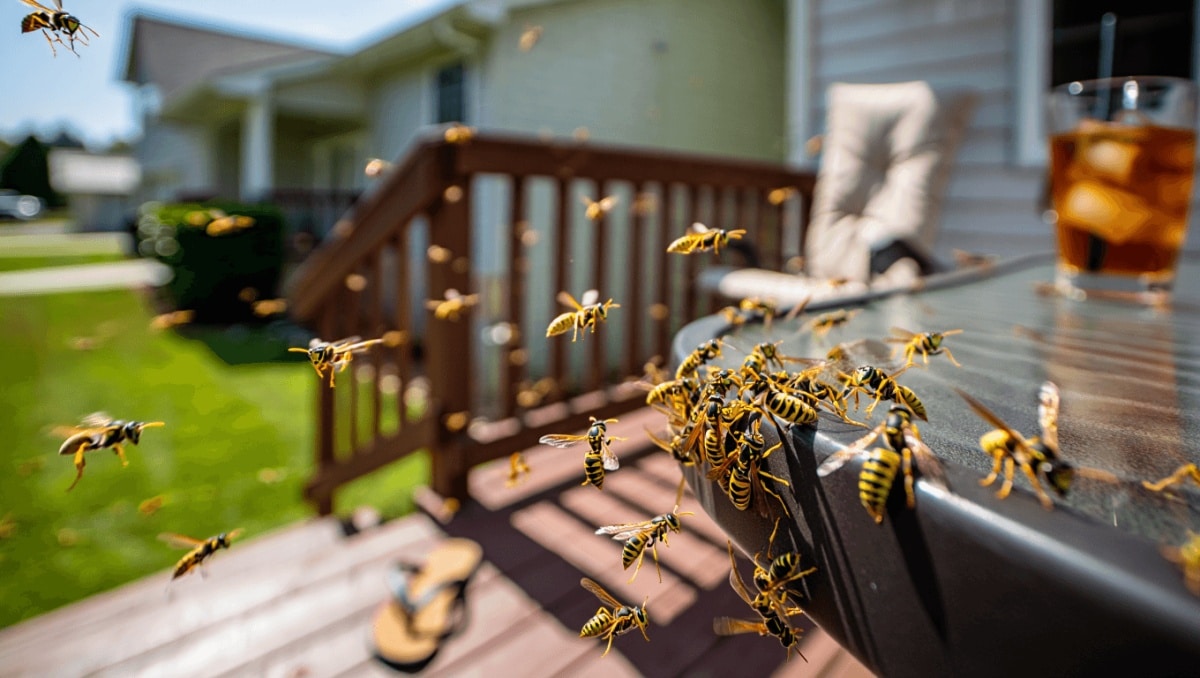
Warm weather makes the porch a favorite spot for people and for insects. When wasps show up there, they can turn a pleasant afternoon into a risky one. Understanding why they come and what to do about them helps you protect family, guests, and pets without needless danger.
Why wasps keep visiting your porch and how to spot attractants
Wasps are driven by two simple needs: food and shelter. Your porch can offer both.
Michaels holiday finds under $25: 20 new gifts that look like $50
Target wall-mounted find frees up countertop space: timeless style for small kitchens
- Sweet liquids and desserts: Soda, juice, fruit, and open dessert dishes are irresistible.
- Protein sources: Cooked meat, grills, and even pet bowls attract yellowjackets.
- Garbage and compost: Exposed trash draws foragers from nearby colonies.
- Sheltered nooks: Rafters, eaves, siding gaps, and spaces under floors provide nesting spots.
- Lighting: Bright porch lights can pull in insects, creating a feeding area for wasps.
Reducing these attractions can sharply lower wasp traffic. Remove or cover food, secure trash lids, and clear clutter that offers hiding or nesting places.
How to tell which wasps are on your porch and what their nests look like
Quick identification helps you choose the right response. Three common types are likely offenders.
Key species and visual clues
- Yellowjackets: Stocky, bold markings, aggressive around meat. They fly with legs tucked in.
- Paper wasps: Slender bodies, long dangling legs in flight, less aggressive than yellowjackets.
- Hornets (bald-faced and European): Larger, often more defensive. Bald-faced hornets have white facial markings.
What the nests look like
- Paper wasp nests: Open, umbrella-like combs often under eaves or rafters.
- Bald-faced hornet nests: Large, enclosed, papery spheres that hang from branches or porch roofs.
- Yellowjacket nests: Often underground or inside wall cavities, usually with a single entrance.
Watch a wasp’s flight path from a safe distance. Tracking where it returns can reveal a nearby nest entrance.
Simple steps to keep wasps off your porch
Prevention is the safest strategy. Small changes make your porch less appealing.
- Clear food and drink when not in use. Keep pet bowls inside.
- Seal gaps in siding, eaves, and screens to deny nesting sites.
- Keep trash bins tightly closed and clean sticky residues.
- Move compost piles away from sitting areas.
- Consider planting deterrent herbs and plants such as mint, citronella, eucalyptus, or wormwood.
- Use yellow light bulbs or shielded fixtures to reduce insect attraction.
Homemade traps can work but may draw more wasps into the yard. Use traps with caution and place them away from high-traffic areas.
When and how to remove a wasp nest safely
Removing a nest requires timing, preparation, and respect for the risk. The safest option is often to wait until the colony dies back in cold weather.
Preferable approach: wait until winter
Most wasp colonies abandon nests before winter. Removing nests in late fall or winter eliminates most danger, since the structure is empty and fragile.
When immediate removal is necessary
- If the nest blocks entryways or is near frequently used areas.
- If someone in the home is allergic to stings.
- If the nest is actively creating hazardous conditions for neighbors.
DIY removal tips if you must act now
- Work at night when wasps are less active.
- Wear thick, protective clothing covering skin, gloves, and eye protection.
- Use a long-range wasp spray to treat the nest from a safe distance. Target openings and the outer surface thoroughly.
- Retreat after spraying and observe for continued activity. Repeat treatments if needed.
- Do not block entrances; this can provoke aggressive behavior.
Some commercially available sprays deliver treated streams that let you stand several feet away. Always follow product instructions and local regulations.
When to hire a professional and what they offer
Exterminators handle risky or inaccessible nests and can assess allergy threats. They have protective gear, specialized insecticides, and dusts for wall or ground nests.
- Call a pro if the nest is inside walls, under decking, or high in trees.
- Contact emergency services if someone is having a severe allergic reaction to stings.
- Ask about follow-up visits and guarantees before hiring.










