
Show summary Hide summary
- What happens inside the tank: flushing vs. draining explained
- Step-by-step guide to flushing a standard storage water heater
- When to call a professional instead of doing it yourself
- How often to flush and other maintenance checks to schedule
- When draining alone can help and why it’s limited
- Common mistakes homeowners make during maintenance
Most homeowners know their water heater by the warmth it provides, not by what’s inside. But sediment and mineral build-up quietly cut efficiency and shorten a tank’s life. Choosing whether to drain or to flush is more than semantics. One method simply removes standing water. The other stirs and carries away deposits that degrade performance. Below, plumbing experts explain the real differences and show how to maintain your heater for better efficiency and a longer service life.
What happens inside the tank: flushing vs. draining explained
Over time, minerals and grit settle at the bottom of a water heater. That layer acts like insulation. It slows heat transfer and forces the unit to run longer to reach temperature.
Michaels holiday finds under $25: 20 new gifts that look like $50
Target wall-mounted find frees up countertop space: timeless style for small kitchens
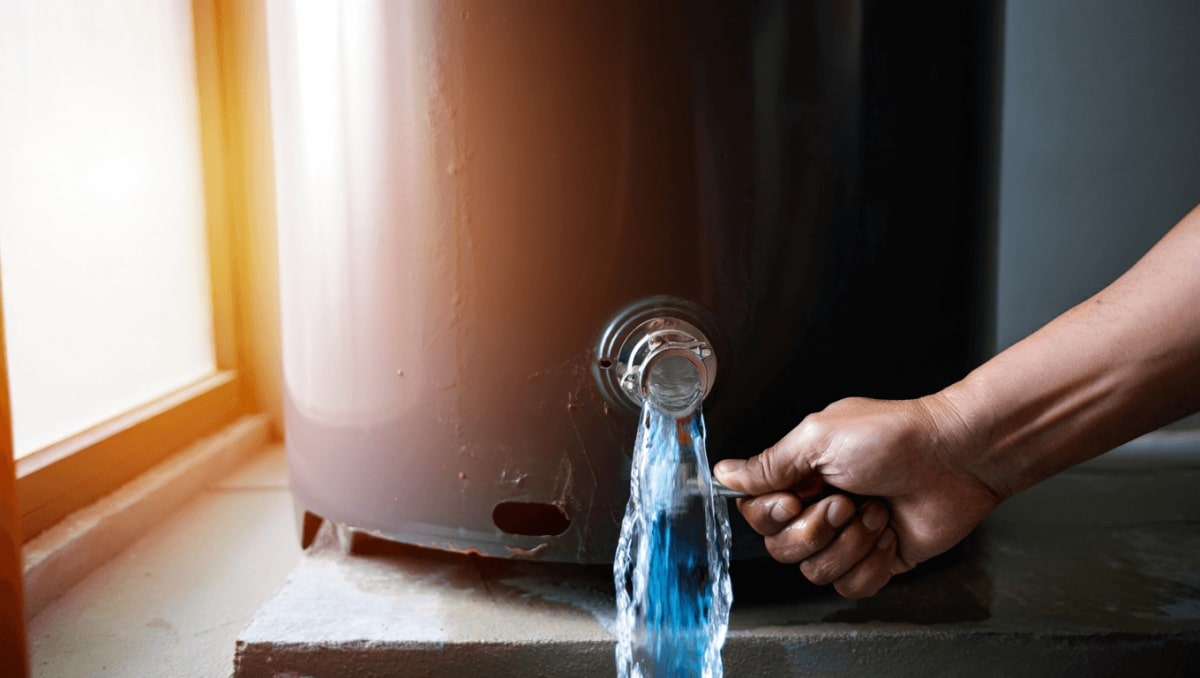
Draining removes the water but usually leaves settled sediment in place. Flushing, by contrast, uses moving water to dislodge and carry that material out of the tank.
Flushing addresses the root cause; draining treats the symptom. That is why many pros prefer flushing as regular maintenance.
Step-by-step guide to flushing a standard storage water heater
- Turn off electricity at the circuit breaker for electric units.
- For gas heaters, shut the gas valve or set the thermostat to “pilot.”
- Close the cold-water inlet valve that feeds the tank.
- Attach a garden hose to the drain valve and route it to a safe drain or outdoors.
- Open the tank’s pressure relief valve to allow air in and reduce vacuum.
- Open the drain valve and let the tank empty until water runs clear.
- Briefly open the cold-water inlet with the drain open to agitate and flush out sediment.
- When the runoff is clear, close the drain valve and pressure relief valve.
- Open a hot-water faucet inside the house to let air escape while you refill the tank.
- Once water flows steadily from the faucet, close it, then restore power or gas.
Tip: Never heat the tank while it is empty. That can damage the element or liner.
Tools and items to have on hand
- Garden hose long enough to reach a drain or outside area
- Adjustable wrench for the drain valve
- Bucket for small spills
- Work gloves and safety glasses
- Flashlight to inspect valves and fittings
When to call a professional instead of doing it yourself
Most standard tank units are DIY-friendly. But modern alternatives deserve expert care.
- Tankless heaters
- Heat-pump water heaters
- Solar-integrated systems
Specialized components can be damaged by improper maintenance. If you have one of these systems, schedule a plumber to do the flush.
How often to flush and other maintenance checks to schedule
Industry pros suggest regular flushing to keep efficiency high and corrosion low. A twice-yearly flush is often recommended in areas with hard water.
During the same visit, inspect these items:
- Pressure relief valve — should open and reseal cleanly.
- Anode rod — this sacrificial metal bar corrodes to protect the tank.
- Visible signs of rust, leaks, or structural damage on the tank exterior.
If the anode rod is heavily corroded, replace it. A worn rod allows the tank itself to rust sooner.
When draining alone can help and why it’s limited
Draining can provide a short-term fix for noisy tanks. Trapped pockets of sediment can cause popping or banging sounds when water heats quickly.
But draining does not agitate settled deposits. Those particles can remain and continue to reduce heating efficiency.
Use draining as a fast diagnostic or emergency action. Use flushing to restore long-term performance.
Common mistakes homeowners make during maintenance
- Failing to switch off power or gas before draining
- Not attaching a hose or routing discharge safely
- Refilling the tank without purging air from hot-water lines
- Heating an empty tank
- Neglecting the anode rod and pressure relief valve
Avoid these errors to prevent damage and keep the job effective.










