
Show summary Hide summary
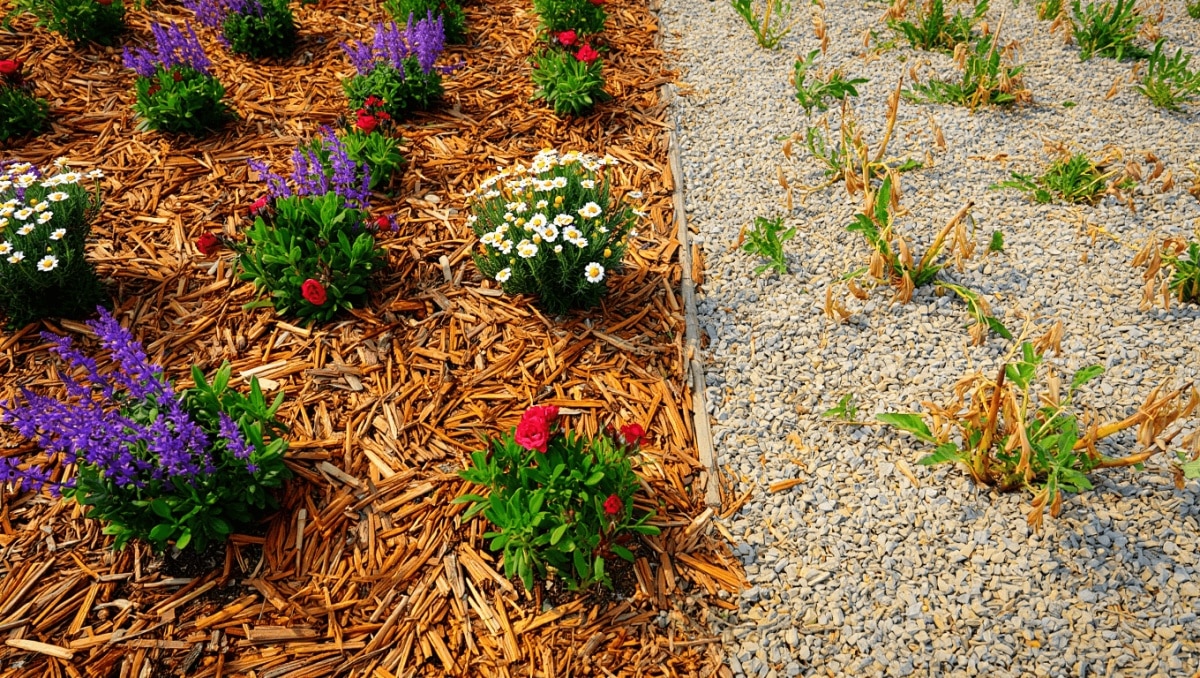
Many gardeners who want neat flower beds and less upkeep are swapping stone for organic options. Pine bark mulch is gaining favor as a practical, plant-friendly alternative to gravel. It keeps beds tidy, suppresses weeds, and feeds the soil as it breaks down.
Why gravel often disappoints landscapers
Gravel looks crisp and low-maintenance at first glance. But it brings trade-offs that matter over time.
Michaels holiday finds under $25: 20 new gifts that look like $50
Target wall-mounted find frees up countertop space: timeless style for small kitchens
- Gravel holds heat and can raise soil temperatures around roots.
- It adds no nutrients because it does not decompose.
- Heavy to move, making installation and rework more exhausting.
- Weeds can still grow through gaps unless a durable barrier is installed.
For homeowners focused on long-term plant health, gravel can be a false economy.
What is pine bark mulch and where it comes from
Pine bark mulch is typically made from southern pines like loblolly and slash. When logs are processed for lumber, the outer bark is removed, shredded, and sorted by size. Fabrication varies by supplier, so particle size and texture differ.
That shredded bark is then sold as mulch for garden beds, pathways, and around trees. It is lighter than stone and easier to spread, which many gardeners appreciate.
How pine bark helps soil and plants
Unlike gravel, pine bark is an organic material. As it weathers, it releases organic matter into the soil. This process does several things gardeners want.
- Improves soil structure and encourages beneficial microbes.
- Gradually lowers pH, which benefits acid-loving plants.
- Supplies modest nutrients as it decomposes.
- Settles more slowly than some hardwood mulches, so it needs replenishing less often.
Choosing pine bark mulch supports plant health instead of merely masking the ground.
Water retention and temperature control benefits
Pine bark acts like a sponge. It soaks up water during rain and releases moisture slowly. That reduces evaporation and supports roots on hot days.
Gravel does not retain moisture. It can cause rain to run off and heat to build at the soil surface. By contrast, a layer of pine bark keeps soil cooler and more evenly hydrated.
Less frequent watering and healthier root zones are common outcomes when beds are mulched with bark.
Practical tips for installing pine bark mulch
How deep to lay it
- Apply a 2–3 inch layer around perennials and shrubs.
- Keep mulch a few inches away from trunks to prevent rot.
Weed control and maintenance
- Use a weed barrier for high-traffic areas, but avoid fully sealing soil from air.
- Top up the mulch each year as it breaks down to maintain coverage.
Cost and handling
- Pine bark is usually cheaper per cubic foot than many decorative stones.
- It’s lightweight, making delivery and spreading easier for DIY projects.
For a garden that’s both attractive and supportive of plant life, pine bark mulch is a strong gravel alternative.










