
Show summary Hide summary
- Learn to recognize common winter weeds for targeted control
- Best practices for pulling weeds by hand
- When and how to use chemical weed control
- Natural and non-chemical tactics to remove weeds
- Long-term strategy: strengthen your lawn so weeds lose the battle
- Practical tips for maintaining weed control through winter
Winter does not silence every invader in your yard. Even as temperatures drop, tough weeds find ways to germinate, survive, and spread. A smart plan that blends identification, timing, and the right treatments will keep your lawn tidy through the cold months. Here’s a clear, practical guide to stop winter weeds before they take hold.
Learn to recognize common winter weeds for targeted control
Knowing exactly what you are fighting makes eradication easier. Winter weeds fall into two broad categories. Each group needs a slightly different approach.
Michaels holiday finds under $25: 20 new gifts that look like $50
Target wall-mounted find frees up countertop space: timeless style for small kitchens
Broadleaf vs. grassy winter weeds
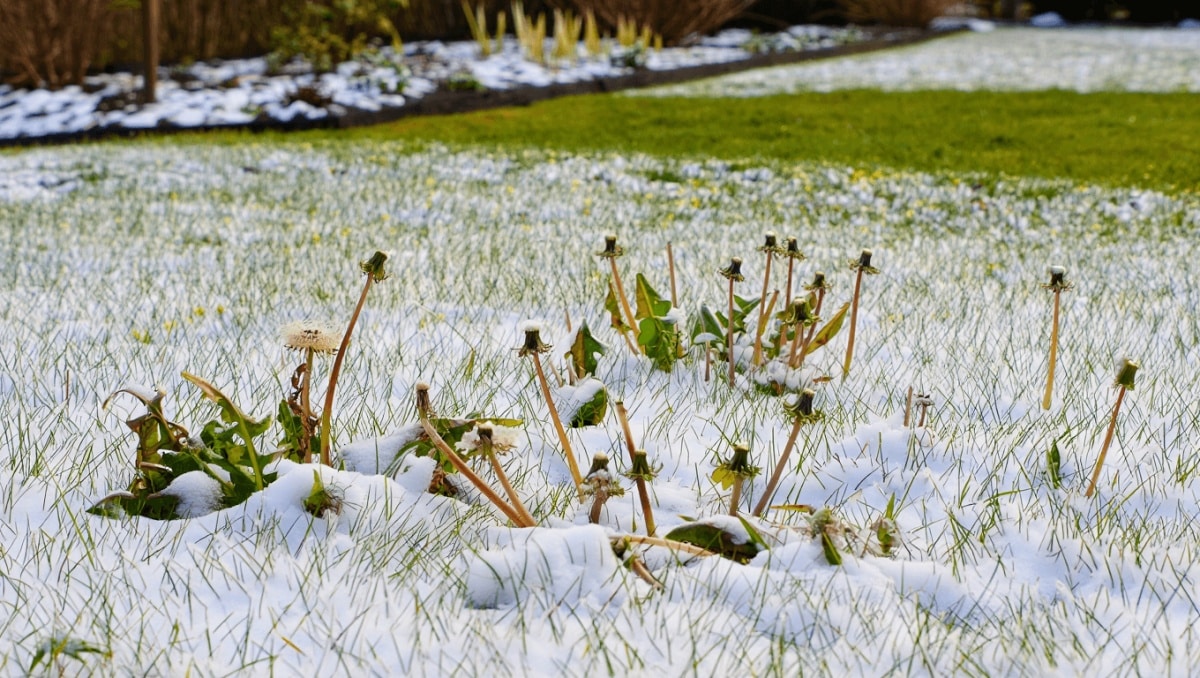
- Broadleaf weeds have wider leaves and visible veins that branch out like a network. Examples often seen in cool months include dandelions, chickweed, violets, and clover.
- Grass-type weeds resemble turf grass. Their leaves are narrow with parallel veins. Annual bluegrass (Poa annua) is a common winter grass weed, noted for its seed stalks and white seed heads.
Early detection matters. Pull or treat plants before they flower and set seed to stop future generations.
Best practices for pulling weeds by hand
Manual removal remains one of the most eco-friendly and reliable methods. When done right, it removes the entire plant without spreading seeds.
How to remove weeds effectively
- Work when soil is moist. Rain or light watering loosens the soil and pulls roots more easily.
- Use the right tools: a hand trowel, a long-handled weeder, or a stand-up puller helps extract roots intact.
- Grip close to the base and pull slowly. Twisting can help dislodge taproots.
- Wear gloves and dispose of removed weeds in a bag to prevent re-rooting or seed spread.
Timing is critical. Aim for early winter, before the ground freezes and before weeds develop deep root systems.
When and how to use chemical weed control
Chemical methods are practical for large infestations or persistent species. Use them thoughtfully and follow label directions.
Pre-emergent herbicides: prevention that works
Applying a pre-emergent creates a soil barrier that stops weed seedlings from sprouting. These products must be applied while soil temperatures are still warm enough for absorption. Typically, spring, late summer, or early fall applications are most effective.
Post-emergent options for active weeds
- Broadleaf weeds: Multi-ingredient herbicides that include 2,4-D, dicamba, or MCPP work well in spot treatments.
- Grassy weeds: Specialized grassy-weed herbicides or turf-safe products target annual types like Poa annua.
Consider professional application if treating a large area. Lawn care pros ensure correct timing, dosage, and even coverage.
Natural and non-chemical tactics to remove weeds
If you prefer to avoid synthetic chemicals, several safe methods can reduce winter weeds without harming the environment.
Easy DIY remedies
- Vinegar: Household vinegar contains acetic acid that scorches leaf tissue. It is non-selective, so apply carefully to avoid desired plants.
- Baking soda: Used in small amounts on cracks and hard surfaces, it can inhibit weed growth by altering the local pH.
- Boiling water: Pouring boiling water on isolated weeds cooks plant tissues. Repeat treatments may be needed for stubborn roots.
Mulching garden beds also helps. A thick layer of organic mulch blocks light, suppresses seedlings, and improves soil health.
Long-term strategy: strengthen your lawn so weeds lose the battle
A dense, healthy lawn is the most reliable defense against winter weeds. When turf is vigorous, weeds struggle to find space, light, and nutrients.
Steps to build a weed-resistant lawn
- Mow to the right height: Keep grass at a recommended height for your species. Taller grass shades soil and outcompetes weed seedlings.
- Fertilize appropriately: Balanced feeding in spring and fall supports root growth and crown development.
- Aerate compacted areas: Aeration improves oxygen flow and water infiltration, helping grass roots thrive.
- Water deeply and infrequently: Deep watering encourages strong roots. Light, frequent watering favors shallow-rooted weeds.
- Overseed thin patches: Fill bare spots with compatible grass seed to prevent weeds from moving in.
Combining cultural care with targeted removal reduces winter weed pressure year after year. A consistent routine during warmer months pays off when temperatures drop.
Practical tips for maintaining weed control through winter
- Inspect your yard regularly. Early action prevents small patches from expanding.
- Clean gardening tools after use to avoid spreading seeds.
- Use landscape fabric or gravel in high-traffic, non-lawn areas to block weed emergence.
- Choose low-maintenance ground covers for beds where grass struggles to grow.
Persistence and timing are your allies. A mix of identification, manual work, strategic chemical use, and strong lawn care will keep winter weeds at bay.










