Show summary Hide summary
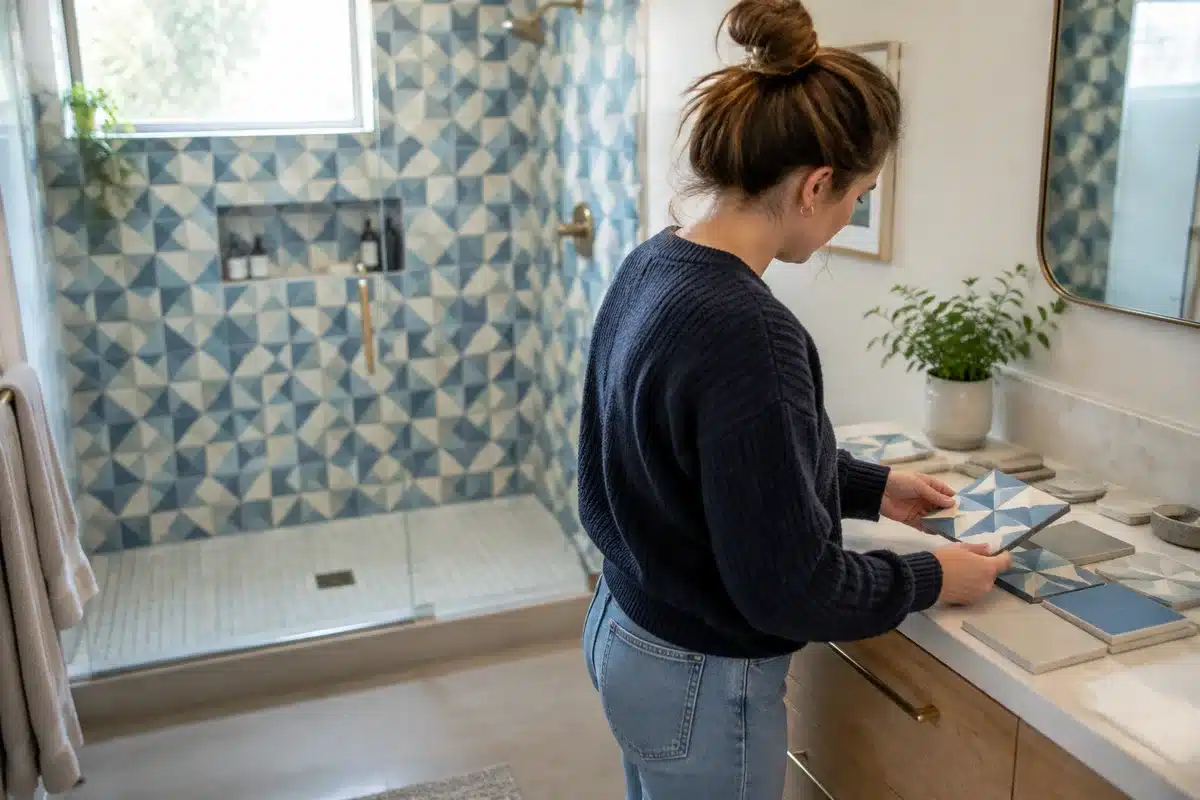
Thinking of ditching plain subway tile for something with more personality? A splash of vintage glamour, inspired by the 1920s Art Deco revival, can turn an ordinary shower into a statement piece. A viral TikTok from @brownstoneboys put this look back on the map, showcasing a vivid blue tile that reads more like a boutique Paris café than a typical condo bathroom. If you want high-impact style without a full remodel, consider an Art Deco-inspired shower as an elegant and attainable upgrade.
Why Art Deco tiles are the best alternative to subway tile
Club soda vs. fire ants: Does it really kill them?
IKEA BILLY bookcases create clever hidden storage throughout a woman’s home
Subway tile is safe and familiar. But if you want drama and texture, Art Deco shower tile gives you pattern, color, and a crafted feel. The style is rooted in the 1920s and 1930s and favors geometric shapes, symmetry, and rich hues.
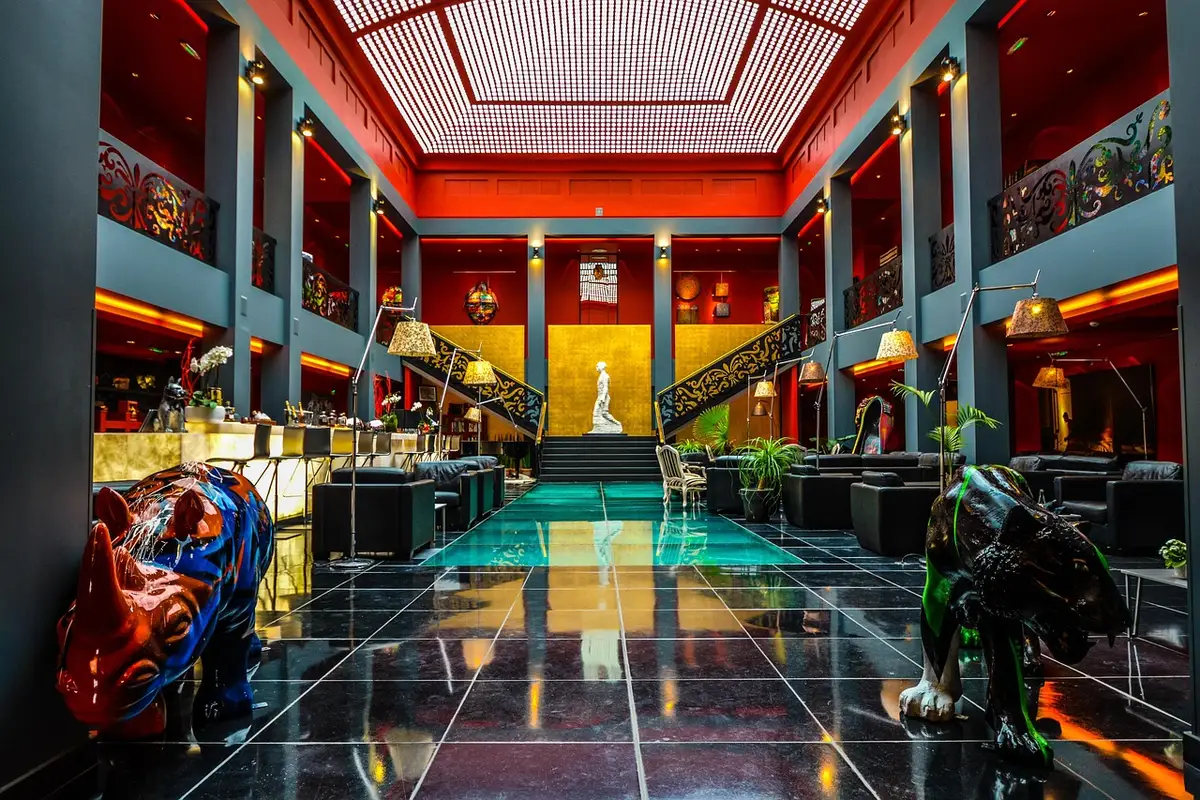
- Makes a bold visual statement compared with plain white tiles.
- Works well in small bathrooms because pattern draws the eye.
- Pairs with modern fixtures for a fresh-retro mix.
Designers often use Art Deco tiles in a focal area, like a shower niche or full alcove. That approach saves budget while keeping the rest of the bathroom neutral.
Where to find authentic and inspired Deco tiles
If you want the historical look, specialty sellers carry period patterns and glazes. The couple behind the viral video sourced tiles from niche producers known for vintage reproductions. Online retailers now offer curated Deco ranges too.
- Search for vendors that advertise Art Deco ceramic tiles or period reproductions.
- Look at museum-reproduction lines or artisanal makers for authentic glazes.
- Consider smaller runs or custom palettes if you want a unique shade.
When browsing, compare sample colors in your bathroom light. A blue tile that reads jewel-toned in a catalog can look different under warm vanity lights. Request samples before committing.
Planning your layout: patterns, grout, and visual impact
Art Deco tiles can be arranged to emphasize geometry. Think chevrons, repeating fan motifs, or stacked symmetry. Grout color matters. Contrasting grout highlights each tile edge. A matching grout creates a smoother field.
- For bold drama, choose contrasting grout.
- For a seamless field, match grout to the tile color.
- Consider accent rows or a decorative band to echo period detailing.
A practical guide to installing an Art Deco shower
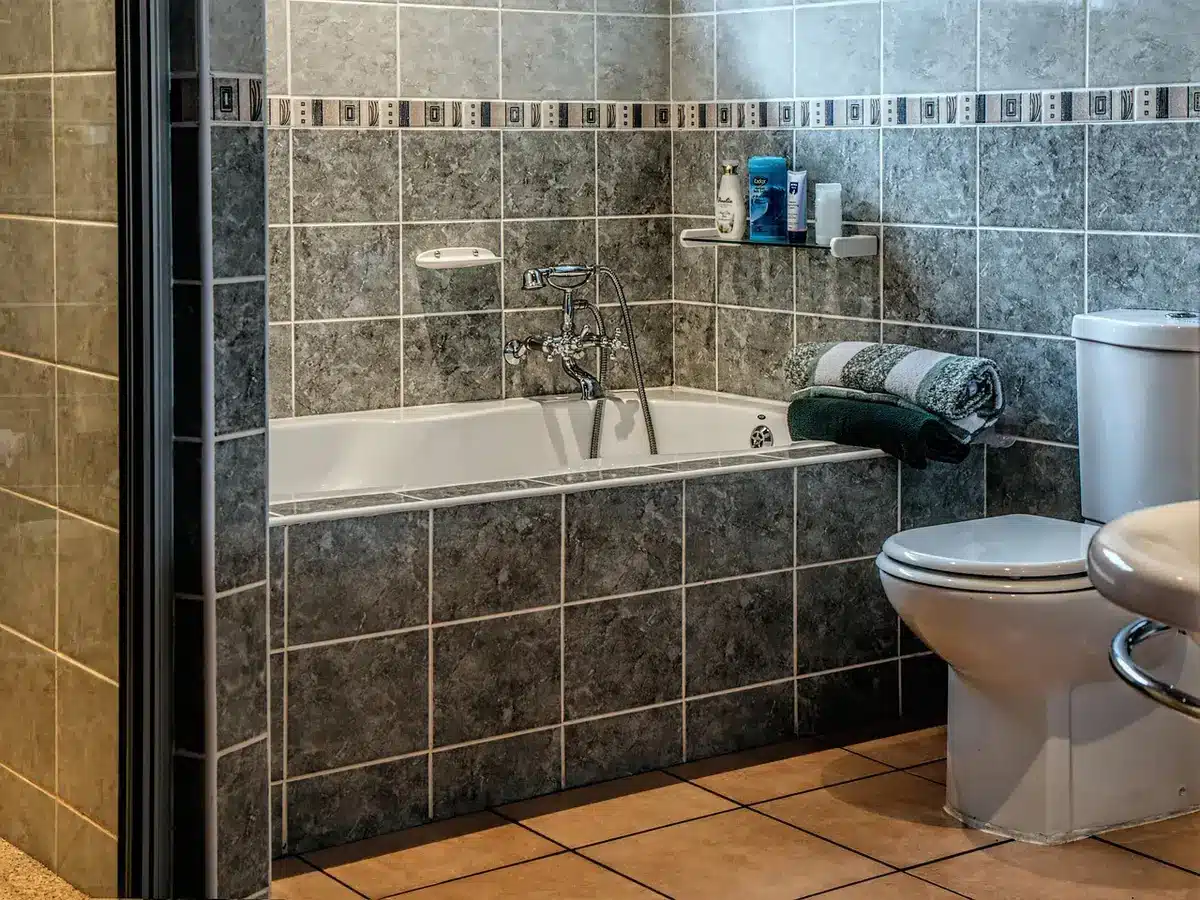
Installing tile in a wet area requires care. The secret to longevity is not the visible tile, but the layers beneath it. Follow manufacturer directions for every product you use.
Materials and tools you’ll need
- Cement backer board and corrosion-resistant screws
- Mesh tape and appropriate joint compound
- Liquid waterproofing membrane (manufacturer-specific)
- Modified thin-set mortar and a notched trowel
- Tile spacers, a level, and a straightedge
- Grout, sealer, and silicone for joints
Step-by-step installation outline
- Attach cement board to studs, following the board maker’s spacing rules.
- Reinforce seams with mesh tape and fill them per instructions.
- Apply a waterproofing membrane over the board. Many products need two coats.
- Start tiling from a stable reference row, not necessarily the floor.
- Use a straight board to support tiles while mortar cures.
- Trim and fit the bottom row after the upper rows are set.
- Grout according to the mortar maker’s timeline, then seal if required.
- Finish inside corners and connections with silicone, not grout.
Waterproofing is non-negotiable. Skip shortcuts and follow product dry times. Proper sealing prevents mold and costly repairs.
Design tips for a modern-vintage bathroom
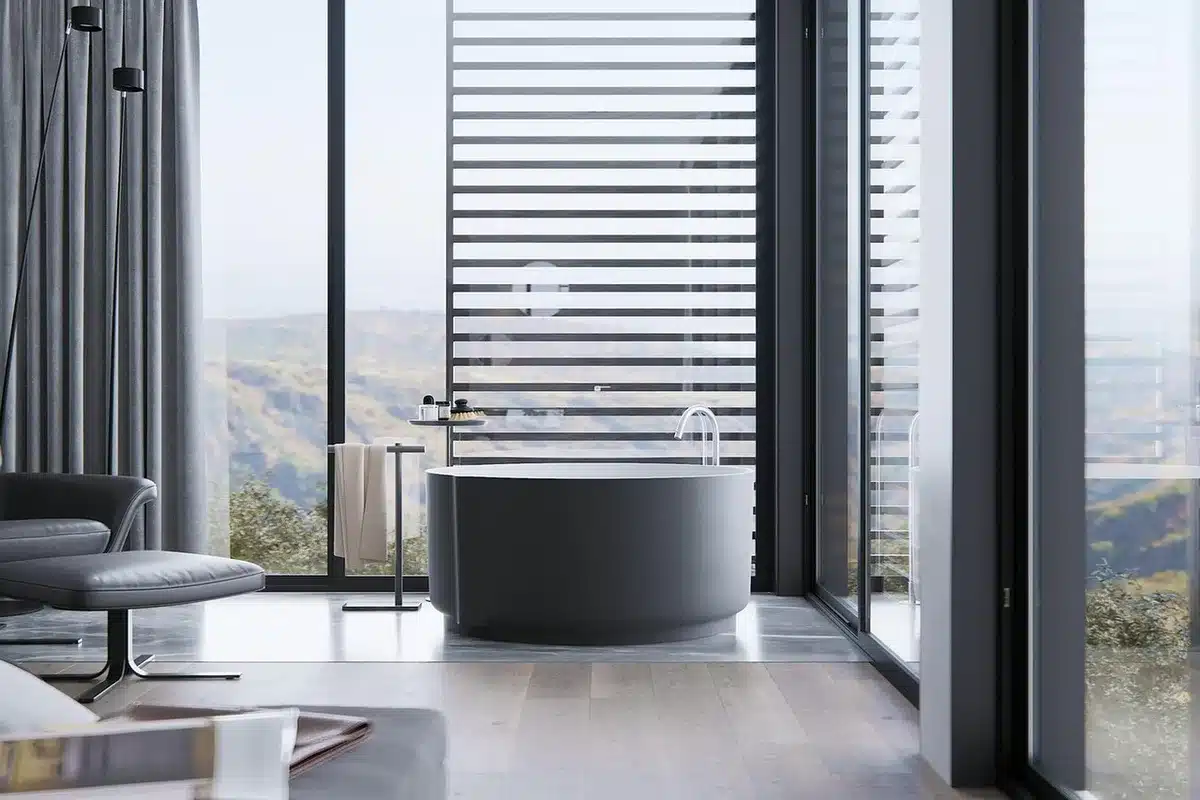
You don’t need to reconstruct an entire period interior. Let the shower tile be the centerpiece and keep the rest restrained. Neutral countertops, simple hardware, and matte fixtures allow the tile to sing.
- Use chrome or brass fixtures to reference Deco metals.
- Limit competing patterns to avoid visual clutter.
- Add a single vintage accessory for authenticity, such as a period mirror or light.
Cost considerations and timeline
A tile swap is more affordable than a full gut renovation. Expect time for sampling, shipping, and careful installation. Sourcing specialty tiles can extend lead times, so order early.
Hiring a professional tiler will increase cost but reduces risk. If you DIY, budget extra time for prep and curing. A meticulous installation is the difference between a short-term update and a lasting upgrade.