
Show summary Hide summary
Club soda may fizz dramatically when poured over a fire ant mound, but that reaction does not mean the colony is being eliminated. The popular home remedy has little evidence behind it, and pest control expert Scott Svenheim says it is unlikely to reach the queen. For homeowners dealing with fire ants, understanding why the trick falls short—and what treatments can work—can help avoid wasted effort and reduce the risk of painful stings.
Why club soda does not get rid of fire ant colonies
The claim that club soda can wipe out fire ants gained attention among gardeners and homeowners in the late 2000s. The idea was that carbon dioxide bubbles would suffocate ants inside the nest, potentially killing the queen and ending the infestation within a couple of days.
Club soda vs. fire ants: Does it really kill them?
IKEA BILLY bookcases create clever hidden storage throughout a woman’s home
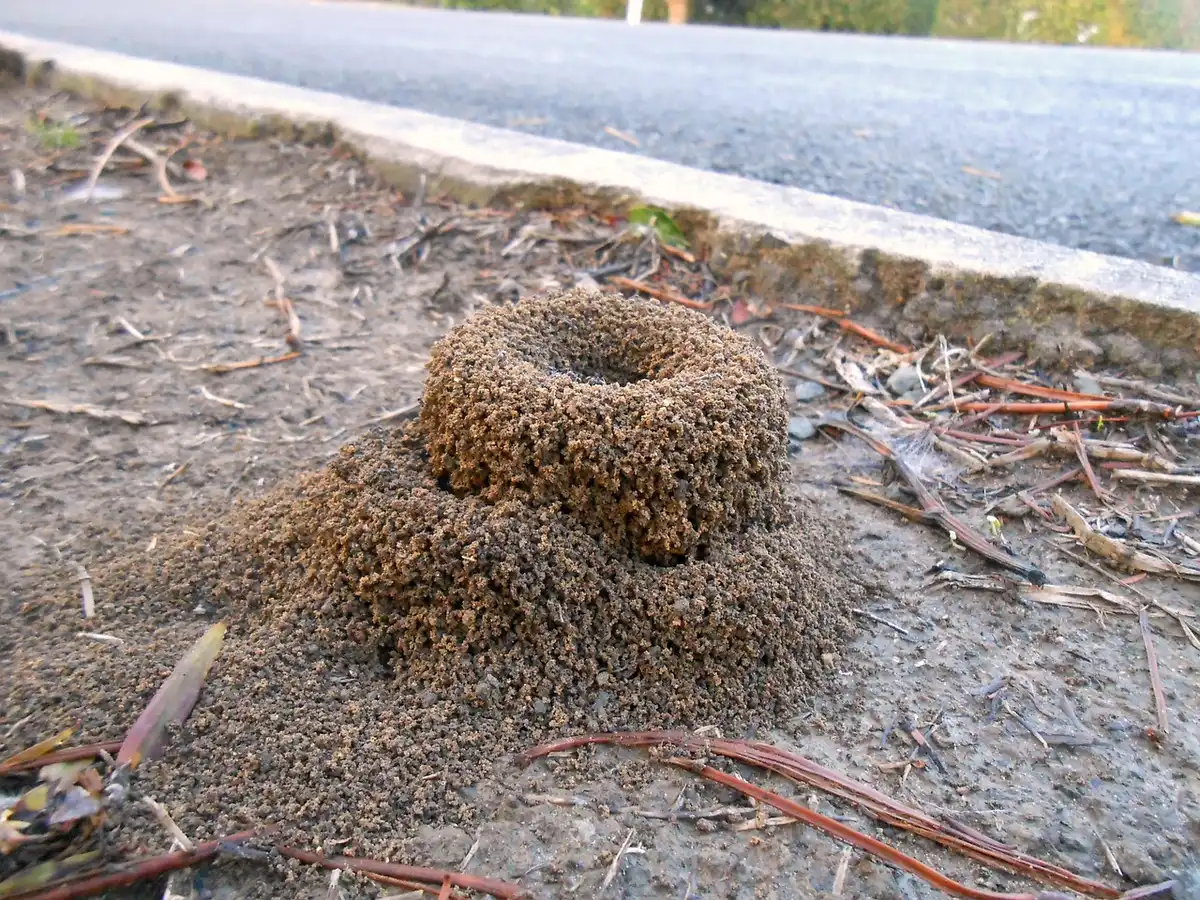
But pouring the fizzy drink over a mound is not a reliable way to control fire ants. Svenheim, an ACE-certified Hybrid Education Facilitator at Truly Nolen, told Hunker that club soda will not reach the queen. At most, the liquid may temporarily disrupt some worker ants near the surface.
Fire ant colonies can survive the disturbance and rebuild their mounds. A few ants might drown if liquid spills over them, but that is unlikely to make a meaningful difference to a large colony. The visible bubbling may be satisfying to watch, yet it is not a sign that the nest has been destroyed.
That distinction matters because a mound is only the part of the colony that can be seen above ground. A treatment that does not reach the deeper nest and its queen is unlikely to stop the colony from continuing to grow or rebuilding nearby.
Fire ant bait is a more dependable yard treatment
Home remedies are not a dependable way to eliminate a fire ant infestation. Even chemical control can be challenging, and colonies may return after treatment stops. In some cases, fire ants can reinfest the same area, so a single attempt may not provide lasting control.

For many yards, products labeled for fire ants offer a more practical option. Long-lasting baits are sold at home improvement and hardware stores, and they are often used as part of a broader, two-step approach.
Baits work gradually rather than killing every ant on contact. Worker ants carry the bait into the colony, where it can reach other members of the nest, including the queen. Allowing time for that transfer is an important part of the approach.
- Choose a product specifically labeled for fire ant control.
- Follow the package directions for where, when, and how much to apply.
- Give worker ants time to carry the bait into the colony.
- Check the yard afterward for mounds that may have been missed or appeared later.
Pest control professionals may add targeted treatments to individual mounds that remain after bait has been applied. A professional can also help identify the ants before treatment, which is useful because not every trail of ants belongs to a fire ant colony.
Boiling water is sometimes suggested as another do-it-yourself method, but it comes with substantial risks. The hot water can cause severe burns, while disturbed ants may sting. It can also damage grass and nearby plants, and it is not a guaranteed way to eliminate the colony.
Can you stop fire ants from entering your lawn?
There is no reliable way to prevent fire ants from moving into a property, according to Svenheim. Colonies can spread from neighboring yards and establish themselves again, including in places where ants have previously been treated.
That makes regular inspections especially important for people who live in areas with heavy fire ant activity or have dealt with an infestation before. Checking lawns and garden beds can help homeowners spot new activity before it spreads.
Look for loose, raised mounds of soil that appear fluffy and have no obvious opening at the top. Mounds may become easier to notice a couple of days after rain. If you find one, avoid disturbing it with bare hands or walking through the surrounding area.
Some mounds may contain white eggs or larvae, but homeowners should not dig into a nest without taking care. Disturbing a colony can send ants out of the mound and increase the chance of stings.
Ant trails can also signal activity, but appearance alone may not confirm that the insects are fire ants. Svenheim cautions that trails can belong to other kinds of ants, so a trained professional can help with accurate identification and recommend an appropriate control plan.
Fire ants can be more than a nuisance in the yard. Their stings may cause inflammation, and stepping into a mound can lead to repeated stings. In rare cases, reactions can be severe. The risk can be particularly concerning around young children and pets, who may not recognize a mound or know to avoid it.
Although fire ants sometimes feed on pests such as chinch bugs, roaches, fleas, and ticks, that does not make an active colony harmless. Keep checking the lawn and garden for fresh mounds, and seek professional advice when the ants’ identity or the best treatment is uncertain.