Show summary Hide summary
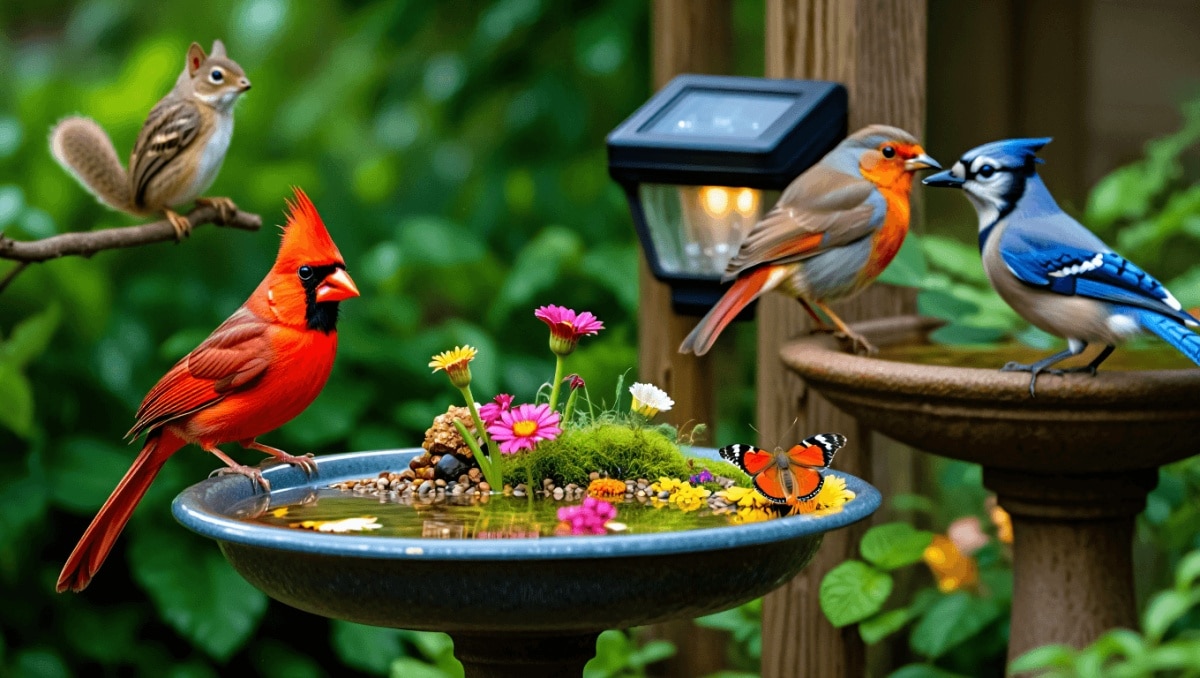
Your birdbath does more than host sparrows and finches. With a little imagination, it can become a colorful planter, a solar-lit focal point, or a wildlife buffet. These shallow basins are affordable water features that are easy to adapt for new uses. Read on for practical ideas and step-by-step tips to turn a tired or cracked birdbath into a year-round yard asset.
Turn a birdbath into a planter or solar-lit centerpiece
Before you repurpose a birdbath, do basic prep. Clean away algae, dirt, and old water stains. Small repairs and drainage adjustments will make the conversion last.
Lowe’s flower-inspired find replaces your boring birdbath
Thrifted duck lamp: turn a thrift-store find into an adorable vintage lamp
- Clean thoroughly: Use a vinegar solution or baking soda paste to remove grime. Rinse well.
- Patch minor damage: Waterproof silicone works on many plastics and resins. For stone pieces, consider an epoxy designed for masonry.
- Plan for drainage: Drill a few holes if the material allows. If not, add a rock layer to prevent root rot.
For a solar-light display, select a compact solar lantern or puck light that fits the bowl. Place the solar panel where it will get direct sunlight most of the day. Surround the light with decorative glass gems or polished stones to reflect light at night.
Creative repurpose ideas for every type of birdbath
Not all birdbaths are identical. Match the conversion to the style and location of your piece.
- Pedestal birdbaths: Ideal for tiered succulent gardens, shallow annuals, or a solar lantern surrounded by reflective beads.
- Hanging birdbaths: Convert to a cascading succulent display or a suspended herb garden over a balcony.
- Deck-mounted trays: Use as a tray feeder for seeds, fruit, or suet blocks. Secure to rails so it won’t swing in wind.
- Concrete or stone basins: Avoid drilling. Instead, use a broken-pot drainage layer and mound the soil so roots have air.
- Uniquely shaped basins: Turn into mosaic art by painting the exterior and filling the bowl with low-growing foliage.
Keep safety and stability in mind. When hanging a heavy piece, check hardware and supports. When adding soil, ensure the base can handle the weight.
Best plants, soils, and fillers for birdbath gardens
Shallow bowls favor low-rooting plants. Choose species that tolerate heat and dry spells.
- Succulents: sedum, sempervivum, echeveria
- Trailing annuals: lobelia, bacopa, trailing petunia
- Mini herbs: thyme, chives, dwarf oregano
- Small ornamental grasses or moss for a green carpet look
Use a well-draining mix: potting soil blended with sand and perlite works best. If drainage holes aren’t possible, first layer the bowl with gravel, broken terracotta, or packing foam. Add only a thin layer of soil to prevent overloading shallow-rooted plants.
How to attract more wildlife with a repurposed birdbath
Your converted birdbath can still support wildlife in new ways. A few adjustments make it welcoming and safe.
- For insects: add flat stones or small twigs so bees and butterflies can perch while drinking.
- For birds: offer high-quality seeds such as black-oil sunflower or millet in tray-style basins.
- For small mammals: place feeders near ground-level basins so chipmunks and squirrels can access food easily.
- For amphibians: shallow basins with a sloped edge allow frogs and salamanders to climb out.
Rotate food types to attract a wider range of species. Fresh fruit, mealworms, and suet can bring in different visitors across seasons. Always position feeders and bowls where birds have a clear view and a nearby escape route from predators.
Maintenance tips to keep repurposed birdbaths attractive and safe
Upcycled birdbaths still need routine care to stay healthy for plants and animals.
- Clean monthly: remove debris, rinse soil spills, and wipe down surfaces.
- Inspect repairs: reseal cracks and check mounts after storms.
- Monitor soil moisture: shallow containers dry fast; water in the morning to reduce evaporation.
- Protect in winter: move lightweight pieces indoors or elevate them so water won’t freeze and crack the basin.
- Maintain solar lights: wipe panels and replace batteries every one to two seasons if needed.
Sanitation matters: If you’ve used a basin for food, clean more frequently to prevent mold and pests. For plant bowls, replace soil every year or refresh with compost to avoid nutrient depletion.