Show summary Hide summary
- What causes rust on a Blackstone griddle and how weather plays a role
- Step-by-step method to remove rust safely from your griddle
- Materials and tools that make the job easier
- How to re-season your Blackstone after rust removal
- When to use the manufacturer’s restoration kit or seek professional help
- Simple habits to prevent rust and extend griddle life
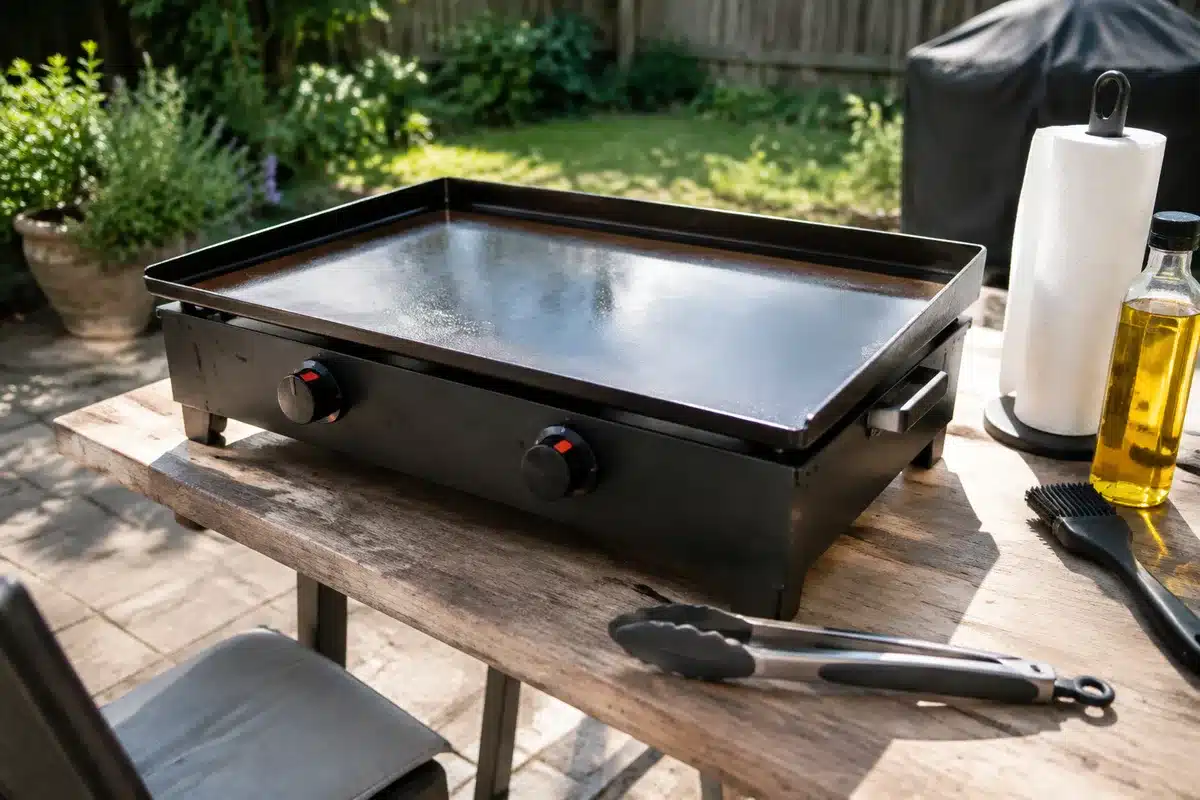
A Blackstone griddle is a backyard favorite for fast, even cooking. But many owners face the same annoyance: the flat-top can develop rust. That rust doesn’t just look bad. It can affect flavor and shorten the life of the cooking surface. Below you’ll find why rust appears, safe ways to strip it off, and practical steps to keep your griddle looking and performing like new.
What causes rust on a Blackstone griddle and how weather plays a role
Blackstone griddle’s biggest drawback: how to fix it
CorningWare vintage pattern: thrift shoppers go wild
Blackstone griddles use cold-rolled steel. Steel reacts with moisture and oxygen to form rust. Outdoor use increases exposure to humidity, rain, and salt air. Even with a cover, condensation can build up under the tarp and start corrosion.
Other common triggers:
- Leftover food and grease that trap moisture.
- Cleaning with harsh detergents that strip protective oils.
- Acidic foods (tomato, citrus) cooked directly on an unseasoned surface.
- Long-term storage without a thin oil layer on the griddle.
Simple prevention starts with keeping the iron surface dry and lightly oiled.
Step-by-step method to remove rust safely from your griddle
Here’s a straightforward, DIY routine that uses common tools and food-safe products.
- Heat the griddle on medium-high to loosen flaky rust. Turn off before scraping.
- Use a metal scraper or putty knife to lift loose rust and char.
- Apply cooking oil to the affected area. This helps loosen bonded rust.
- Scrub with a grill stone or fine steel wool until the metal shows through.
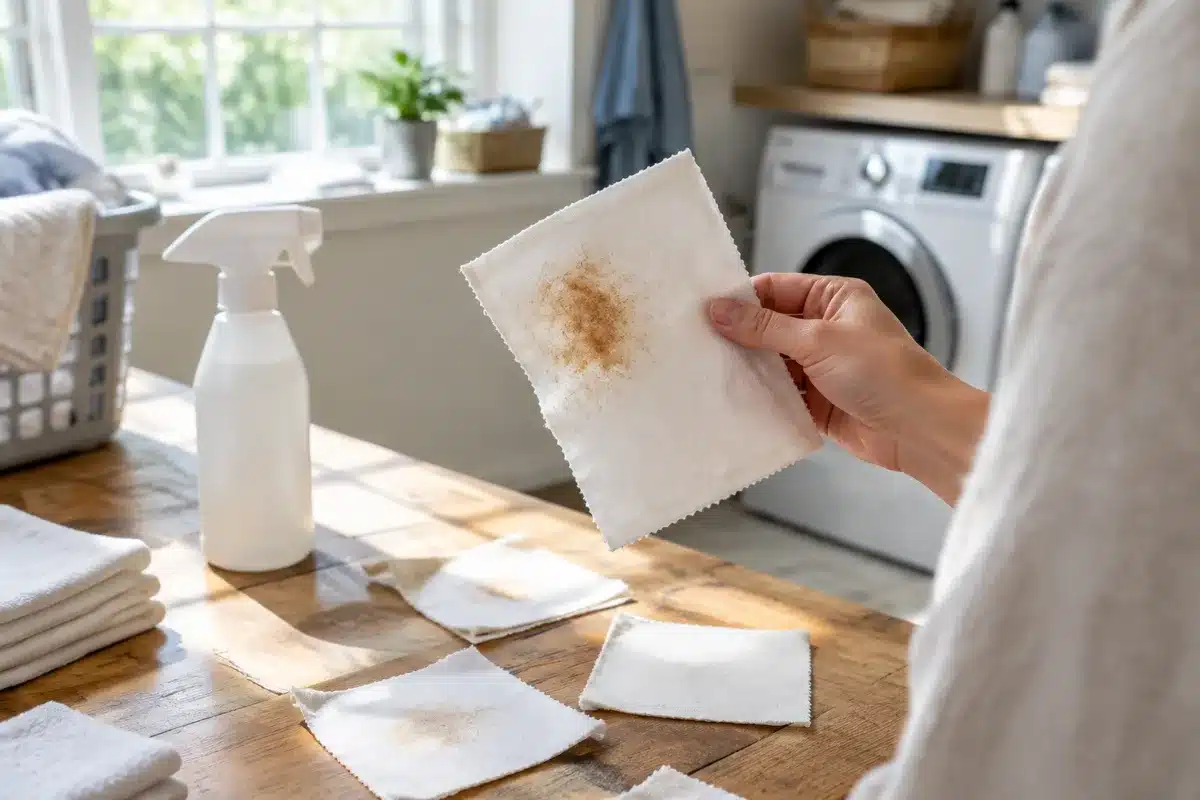
- Rinse with warm water, wiping debris away with paper towels.
- Dry thoroughly. Heat the surface again to evaporate any remaining moisture.
Do not soak steel in vinegar for long periods. Short contact can help lift rust, but extended exposure can pit the metal. Always rinse and dry after using acidic cleaners.
Materials and tools that make the job easier
- Metal scraper or putty knife for scraping loose rust.
- Grill stone or non-woven abrasive pad for scrubbing.
- Fine steel wool (0000) for stubborn spots.
- Neutral cooking oil: canola, vegetable, or flaxseed for seasoning.
- Paper towels or lint-free cloths for wiping and burnishing.
- Optional: Blackstone Griddle Top Restoration Kit for a targeted solution.
Choose tools that remove rust without gouging the steel. Aggressive abrasives can damage the metal and make future seasoning harder.
How to re-season your Blackstone after rust removal
Seasoning restores a protective, nonstick layer. It also stops new rust from forming.
- After cleaning, heat the griddle until it is hot.
- Apply a thin, even coat of oil across the entire surface.
- Use a paper towel or cloth held with tongs to spread the oil.
- Let the oil smoke and polymerize. Repeat two or three coats for a strong finish.
Allow each coat to cool before adding the next. That builds a durable seasoning layer. Avoid soaps and aggressive cleaners once the surface is seasoned.
When to use the manufacturer’s restoration kit or seek professional help
Blackstone makes a Griddle Top Restoration Kit formulated for their steel. It can dissolve rust and help restore the finish. Follow the directions on the package for the best result.
Consider professional repair if:
- The steel shows deep pitting or holes.
- Structural components are compromised by corrosion.
- Repeated rust returns despite correct maintenance.
For warranty questions or severe damage, contact Blackstone support. They can advise on repair or replacement options.
Simple habits to prevent rust and extend griddle life
- Wipe the griddle clean and coat with oil after each use.
- Store it in a dry, sheltered place when not in use.
- Use a breathable cover to reduce trapped condensation.
- Avoid leaving acidic foods on the cold steel overnight.
- Inspect the surface regularly and address small rust spots early.
Small, regular maintenance beats long, difficult restorations. A few minutes after every cook session will keep the surface clean and rust-free.