Show summary Hide summary
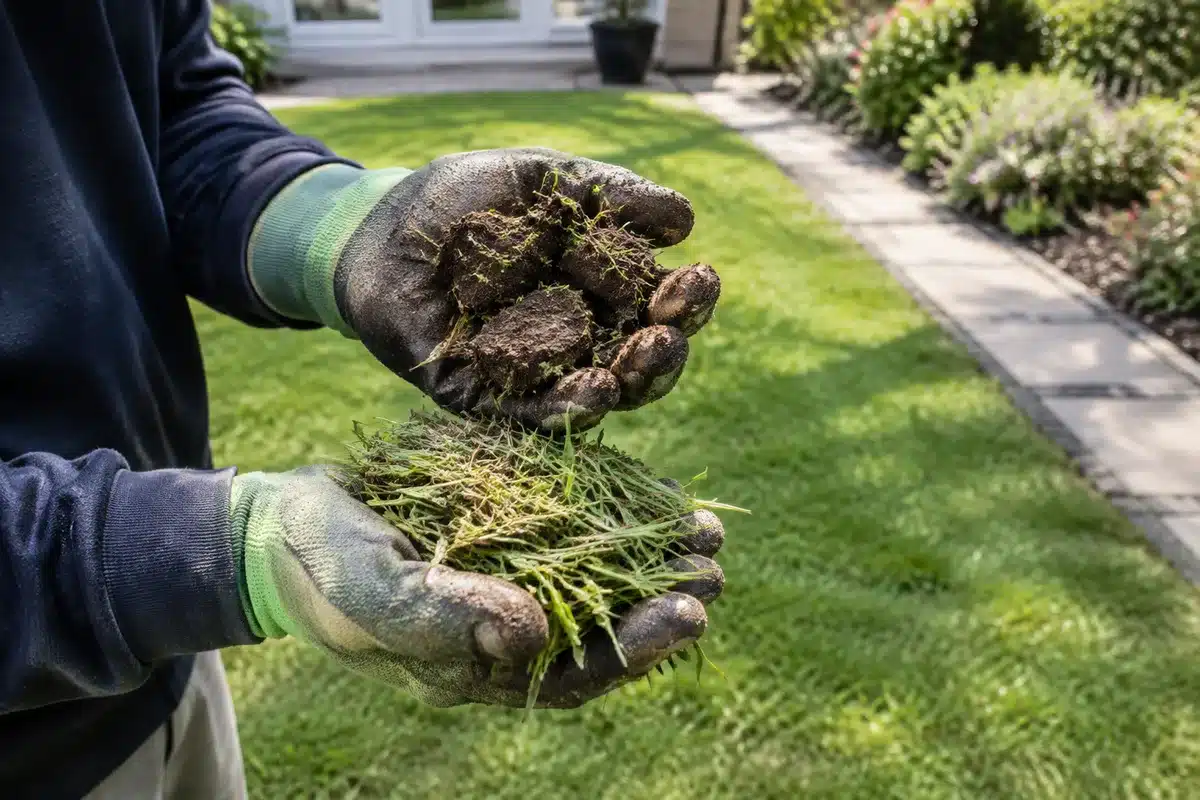
A compact, inexpensive garden tool can rescue small patches of lawn without the expense of a bulky aerator. If your grass feels flat and water runs off instead of sinking in, a handheld cultivator may be the quick fix you need. Read on to learn how this common tool helps break up tight soil, when it’s enough, and when you should call in heavier equipment.
Why aeration matters for a healthy lawn and garden
Handheld aerator beats spiked tools: easy way to aerate soil
Basil care: 3 things to do in October to keep it growing all winter
Soil that becomes compacted limits air, water, and nutrients from reaching roots. Grass suffers when roots cannot grow freely. Aeration restores breathing room in the soil and helps lawns resist drought and stress.

- Improved drainage: Water soaks in rather than puddling or running off.
- Better nutrient flow: Fertilizer and organic matter reach roots more easily.
- Stronger root systems: Roots expand into loosened soil instead of circling near the surface.
Handheld cultivators as a spiked-aerator alternative
For small yards or isolated trouble spots, a hand cultivator does the job without heavy gear. These tools have curved or clawed tines that penetrate the upper soil layer.
They are easy to handle around existing plants. They cost far less than mechanical aerators and serve multiple chores, from loosening soil to removing weeds. Many gardeners already own one.
Keep in mind: This method works best for moderate compaction and limited areas. Severe compaction usually needs a core aerator.
How to test if the handheld method will work
Before starting, check the soil condition so you don’t waste effort on an unsuitable patch. A simple tool can reveal the truth.
- Choose moist soil, not bone dry or waterlogged ground.
- Push a screwdriver or garden trowel several inches into the soil.
- If it slides in easily, a cultivator can help. If it resists, plan for heavier aeration.
Step-by-step: aerating with a garden cultivator
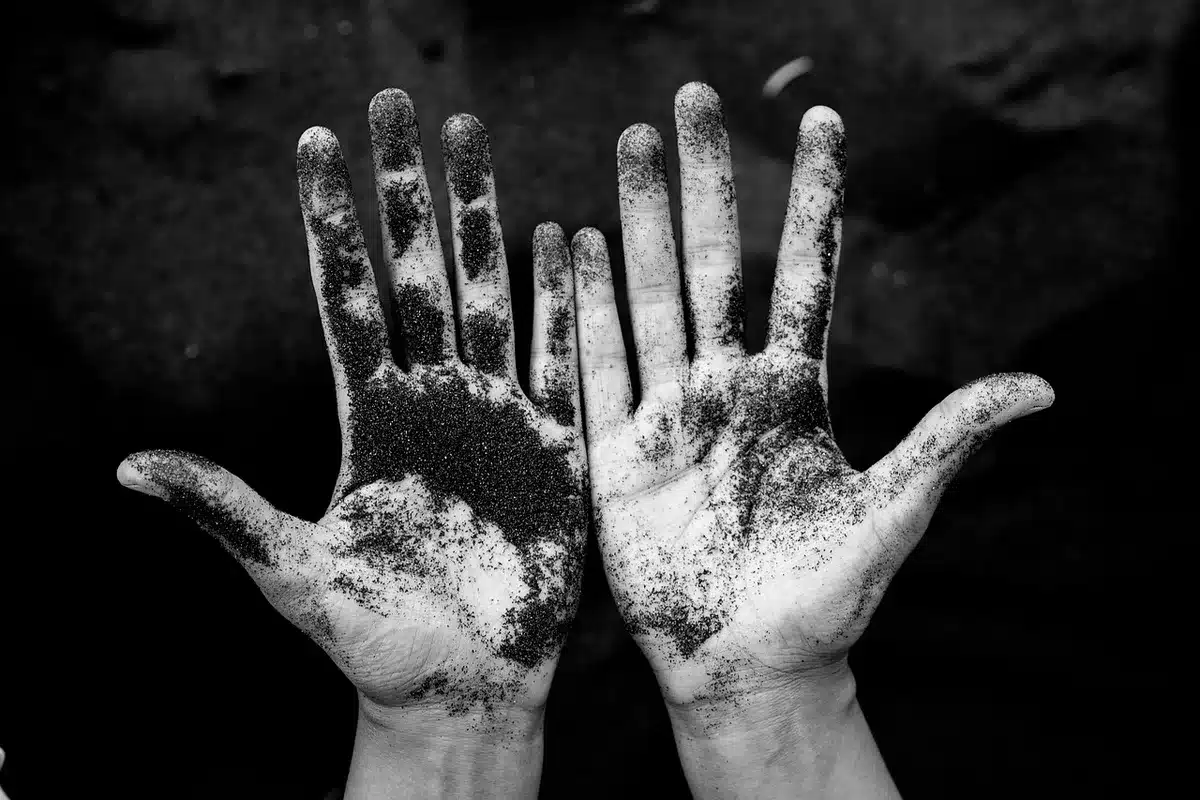
Prepare the area
- Target spots where water pools or the surface is crusted.
- If soil is too dry, water lightly the day before to ease penetration.
- Wear gloves and keep the tool clean and sharp for best results.
Work the soil
- Press the cultivator’s tines straight into the top few inches of soil.
- Make holes about every 6 inches across the patch.
- Optionally wiggle the tines slightly to lift and loosen nearby soil.
Aftercare
- Water the treated area and watch how quickly it soaks in.
- If water still pools, the problem likely runs deeper than the surface.
- Repeat the process in a season if compaction returns.
Signs you should upgrade to a core aerator
If water remains standing after treatment, or the screwdriver test shows strong resistance, the soil may be heavy clay or deeply compacted. In those cases, a core or plug aerator removes soil cores and relieves compacted layers far better than a hand tool.
- Large lawn areas with persistent hardpan.
- Lawns with heavy foot or machinery traffic.
- Properties with frequent standing water despite surface aeration.
Practical tips to get the most from DIY aeration
- Work when soil is damp but not saturated.
- Combine aeration with overseeding or topdressing for quicker recovery.
- Clear debris and thatch so the tool reaches the soil easily.
- Use a lightweight metal cultivator for durability and better penetration.
- Watch drainage: Pooled water can lead to pests and disease.