Show summary Hide summary
Your lawn may look messy right after core aeration, but those little cylinders of soil are doing important work. Understanding what to do with soil plugs can help your grass recover faster and save you time. Read on to learn practical, expert-backed steps for whether to leave, move, or reuse the cores from lawn aeration.
Why leaving soil plugs in place usually helps your lawn
Fertilize lawn before or after aerating: expert-recommended timing
Fertilize your lawn in October: is it already too late?
Core aeration removes small plugs of soil to relieve compaction and improve root access to air and water. Many homeowners instinctively rake them away. But the easiest and healthiest choice is often to leave the plugs where they fell. They gradually break down and return organic matter and nutrients to the soil.

- Plugs improve soil structure as they disintegrate.
- They speed the return of microbes and nutrients to roots.
- Left in place, they reduce the risk of re-compacting the soil.
The typical breakdown time is short. In warm, moist weather they disappear in about two weeks. Cooler or drier conditions can stretch that to four weeks or more.
Simple ways to speed up plug decomposition
If you want the cores to vanish faster, a few low-effort moves will help. These methods are safe for the turf and speed nutrient recycling.
- Break the cores with a rake or shovel to expose more surface area.
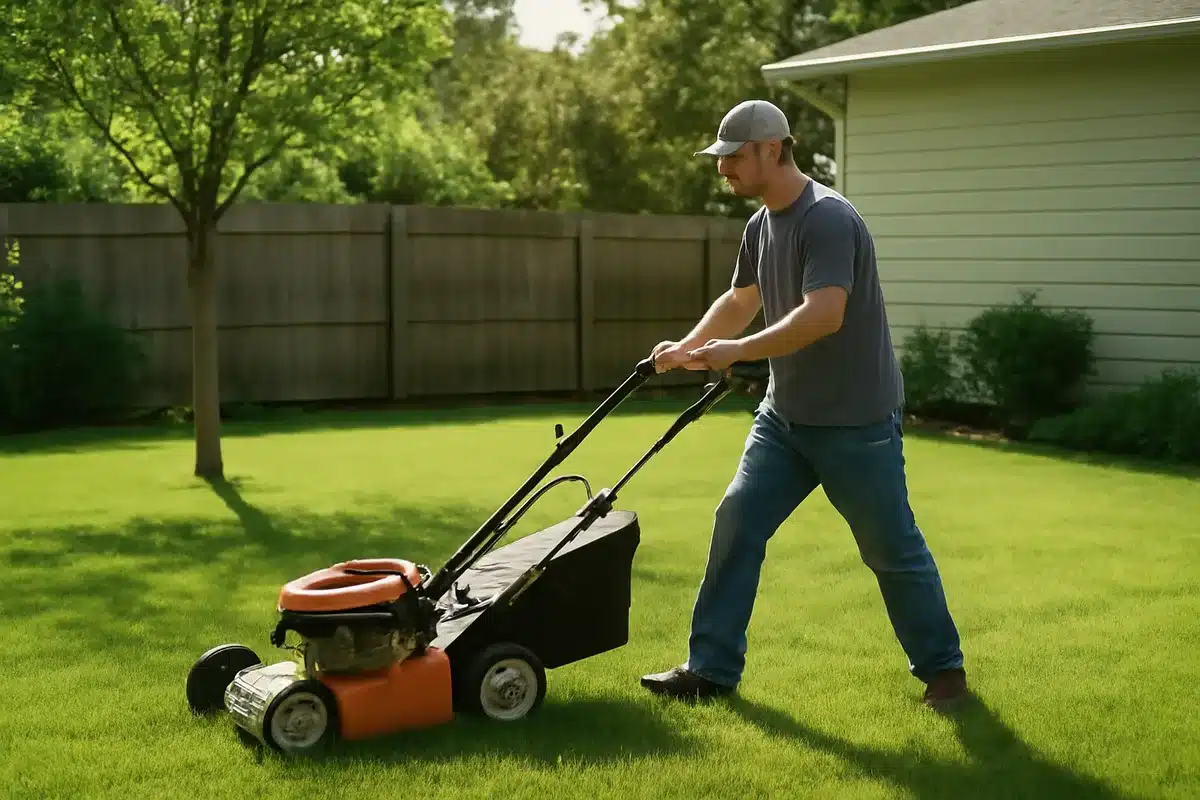
- Run a mulching mower over the lawn to grind them into smaller pieces.
- Keep the area moist for several days; water helps microbes break them down.
Do not haul the plugs away unless you have a reason. Removing them deprives the lawn of the very material it needs to recover after aeration.
When moving or removing plugs makes sense
There are times when adjusting the cores is useful. You might prefer a tidier look for a special event.
Fix bare spots and uneven aeration
If plugs are sparse in one area, the aerator may have missed spots. Use a rake to redistribute plugs into thin patches. That helps fill low spots and places organic material where it will benefit roots most.
Temporary cleanup for events or photos
For weddings, parties, or photos, you can collect plugs. A good compromise is to compost them rather than discard. Composting preserves the nutrients for future use.
How to compost and reuse soil cores
Putting plugs into your compost bin is an efficient way to keep those nutrients in play. Follow simple steps for best results.

- Break up large cores before adding them to the bin.
- Mix plugs with green material like kitchen scraps or grass clippings.
- Aerate the compost pile occasionally to speed decomposition.
- After composting, spread the finished material thinly over the lawn.
Composted cores make excellent topdressing. They return organic matter and help soil absorb water evenly.
Tools and tips for a neater post-aeration lawn
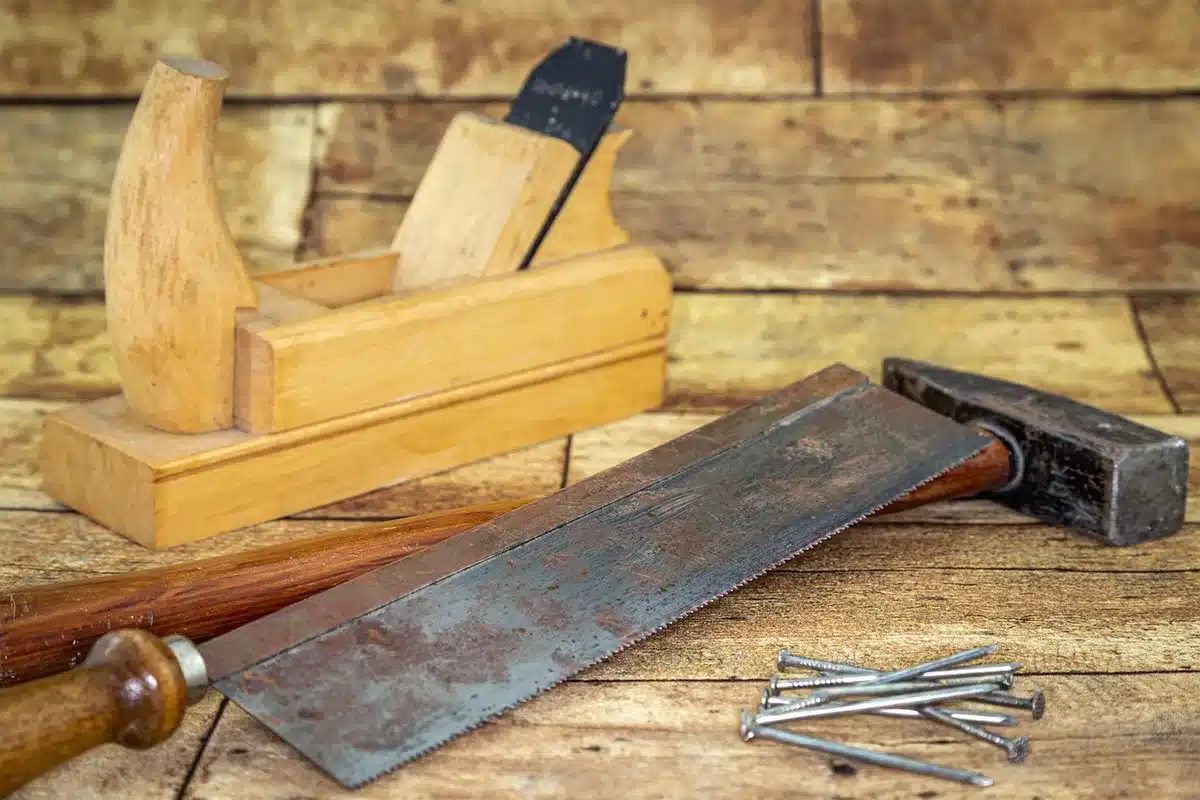
Choose tools that match your goals. A light-toothed rake is ideal for moving plugs without damaging grass. A mulching mower can shred cores into fine pieces. Shovels and hand trowels work for small patches.
- Use a mulching deck setting if you want a quick tidy-up.
- Keep irrigation scheduled to support decomposition and root recovery.
- Avoid aggressive power raking right after aeration; you might undo the benefits.
Little effort yields big rewards: aerate at the right time, leave or recycle the cores, and your lawn will respond with denser growth and healthier roots.