Show summary Hide summary
- Why a chain-link drag works for lawn leveling
- Materials you’ll need for a DIY chain-link drag harrow
- Step-by-step: build a basic drag harrow
- How to use the drag effectively on your lawn
- Best practices for weight and hitching
- Costs, commercial products, and where to source parts
- When to choose a DIY drag versus professional equipment
- Maintenance and safety tips for long-term use
Weekend yard chores can feel like a small victory or a messy defeat. One misstep into a hidden low spot ruins your stroll and your coffee. Fortunately, an old chain-link fence and a little ingenuity can turn bumpy turf into a smooth, usable lawn without emptying your wallet.
Why a chain-link drag works for lawn leveling
Chain-link fence hack: reuse it to level a bumpy lawn on a budget
Tuna can planters: turn empty cans into adorable hanging decor
Farmers long ago used drags to smooth fields. The same idea scales down for homeowners.

- Chain-link moves soil and breaks up clumps as it’s towed.
- The open weave distributes material rather than scraping it away.
- Galvanized fencing resists rust, so it can stay outside.
This method is best for minor grade problems, seedbeds, and gravel driveways. It won’t replace heavy grading for major depressions.
Materials you’ll need for a DIY chain-link drag harrow
Use reclaimed pieces or buy low-cost components. Either way, the parts list is short.
- Chain-link panel or a length of rolled chain-link
- A front spreader board, metal bar, or gate frame
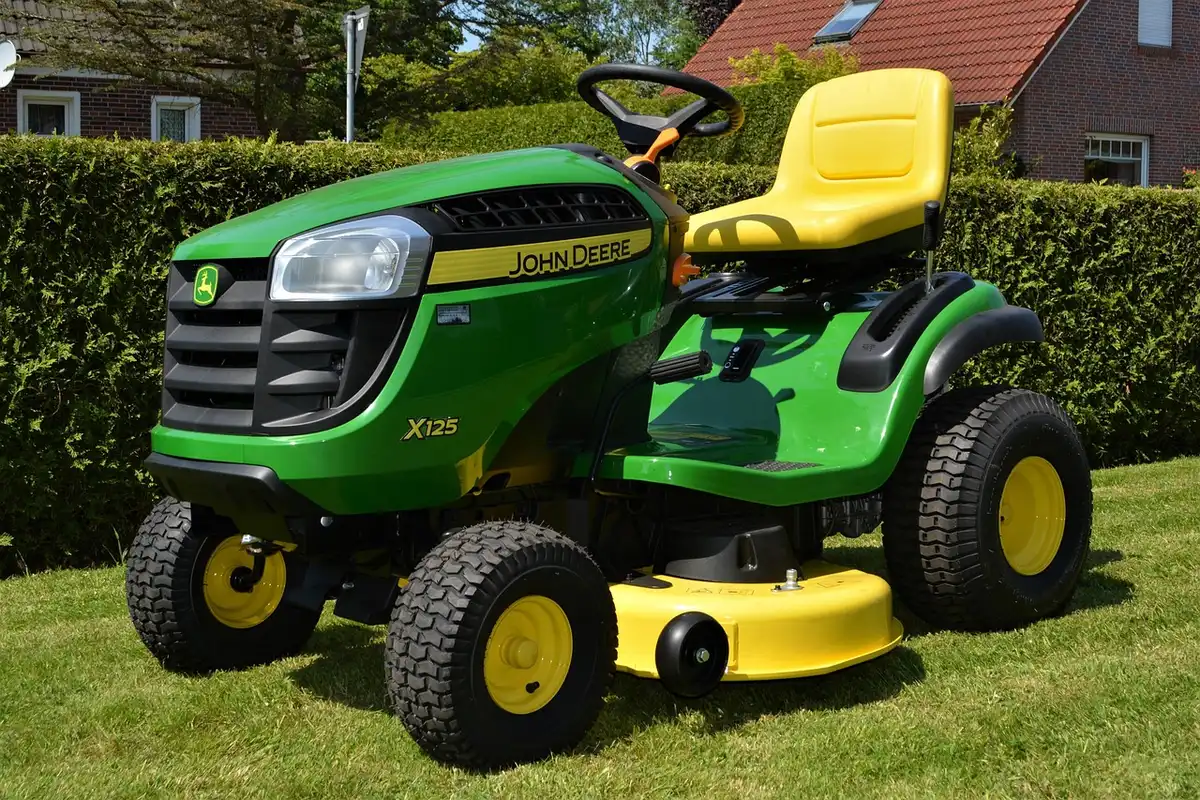
- Tow chain, strap, or rope to attach to your mower or ATV
- Weight: old tires, cinder blocks, or landscaping timbers
- U-bolts, clamps, or heavy zip ties to fasten components
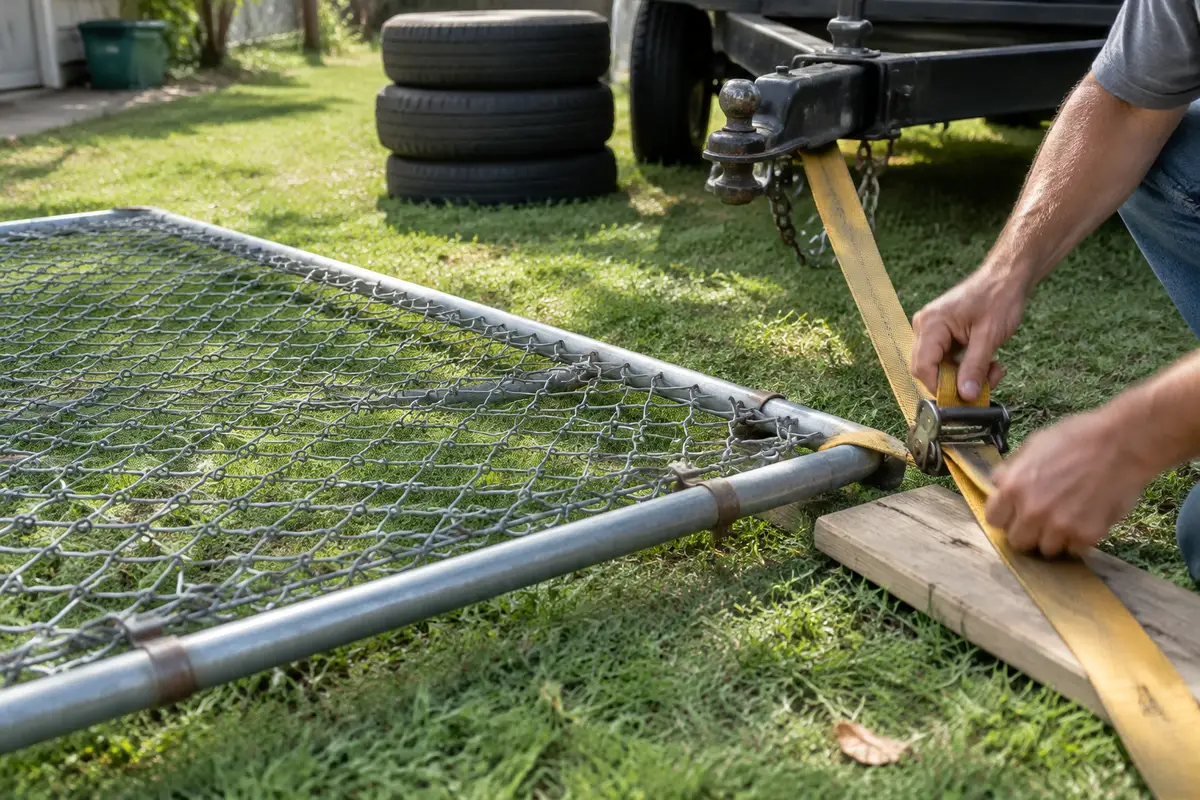
A gate panel is convenient. It lays flat and often includes edge panels that help the drag cut a consistent path.
Step-by-step: build a basic drag harrow
These concise steps create a durable, practical implement.
- Trim the chain-link to the desired width if needed.
- Attach a board or metal bar across the front edge to keep it flat.
- Secure the chain-link to the board using clamps or bolts.
- Stack and strap down the chosen weight on top of the drag.
- Fasten a tow chain to each side of the front board and connect the center to your hitch.
Double-check fastenings before the first pass. Loose weights are the primary cause of failure when pulling over rough ground.
How to use the drag effectively on your lawn
Technique matters. Thoughtful passes yield better results and protect existing turf.
- Begin with mowing the lawn short to expose low spots.
- If soil is compacted, aerate first to reduce clods and help the drag work.
- Make overlapping passes at a steady speed. Too fast and the drag skips.
- For seeded areas, add topsoil or sand to low spots, then drag to spread it evenly.
- Repeat cycles: aerate, drag, allow soil to settle, then reseed if needed.
On gravel drives, a heavier load and firmer pulls help redistribute stones and remove ruts.
Best practices for weight and hitching
Weight is what lets the drag bite and move material.
- Start light and add weight as needed. Too much weight strains your mower.
- Use wide, flat weights to avoid puncturing the chain-link or catching on turf.
- Attach the tow point low and centered to keep the drag flat.
- If you have an adjustable hitch, lower the drag to increase contact when necessary.
Monitor tire and engine load. If your mower labors, reduce weight or make shorter passes.
Costs, commercial products, and where to source parts
Making your own drag is often the cheapest path. Still, ready-made harrows are available.
- Free or low-cost: reclaimed chain-link from fencing contractors.
- Budget buy: chain-link gates and rolls at big-box stores, typically under $80.
- Commercial options: ATV and tractor drag harrows from $130 to $300 or more.
Shop online or visit local hardware stores for gates, rolls of chain-link, and towing accessories. Compare DIY costs to prebuilt models if you plan repeated use.
When to choose a DIY drag versus professional equipment
Match the tool to the task to save time and money.
- Choose DIY: small yards, light leveling, occasional gravel smoothing.
- Choose professional gear: major grading, deep holes, drainage correction.
- Consider renting heavier equipment for one-off heavy jobs.
For many homeowners, a simple chain-link drag handles the routine fixes without costly contractors.
Maintenance and safety tips for long-term use
Look after your harrow and your machine to prolong both their lives.
- Check fasteners and repair bent or broken links before each use.
- Store the drag off the ground or under cover to reduce corrosion.
- Wear eye and hand protection when attaching weights or cutting chain.
- Avoid towing over hidden irrigation lines, cables, or large rocks.
Routine inspection prevents accidents and keeps the tool working as intended.