Show summary Hide summary
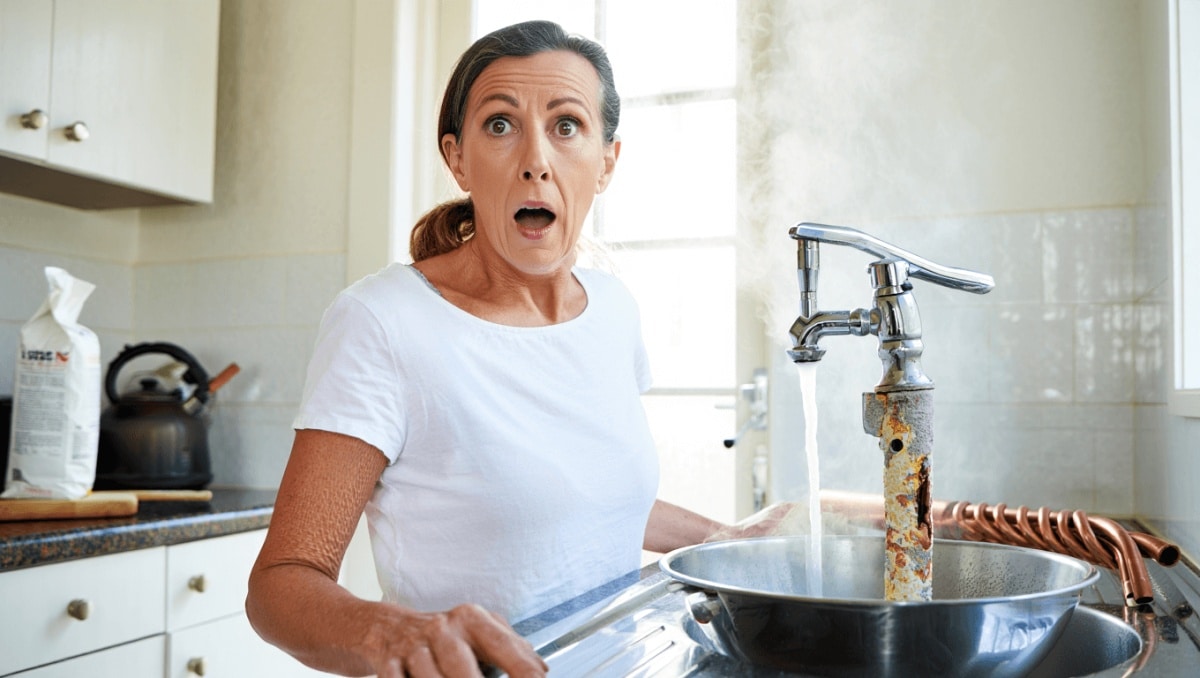
When a kitchen sink slows to a drip, many homeowners reach for quick fixes. A viral tip pushing salt and boiling water promises an easy unclog. But that trick can do more harm than good in modern homes.
Why boiling water plus salt can damage modern pipes
Most residential sink plumbing uses polyvinyl chloride, or PVC. PVC is inexpensive, durable, and common under sinks. However, it has thermal limits. PVC is generally rated for water up to about 140°F. Boiling water is 212°F at sea level.
Bookshelf turned into stunning functional flower bed by gardener
Towel bar replacement: transform your bathroom into a spa with this modern swap
When a drain is free-flowing, a brief pour of very hot water cools fast. But in a blocked or sluggish line, heat can be trapped. That trapped high temperature can soften PVC. Pipes may sag, deform, or loosen at joints. In short, pouring boiling water down a clogged drain risks warping plastic pipes.
Mechanical fixes that usually work faster
Simple tools to try first
- Use a cup plunger on the sink or basin. Create a tight seal and pump firmly.
- Try a sink auger or hand-crank snake to reach the clog in the P-trap or tailpiece.
- Remove and inspect the P-trap to hand-clear hair and gunk. Keep a bucket beneath.
These mechanical methods remove the obstruction without extreme heat or chemicals. They are often faster and safer than pouring boiling water.
Safer chemical and household options
When you want a non-mechanical approach
- Hydrogen peroxide can help break down organic buildup. Pour, let sit, then flush with hot water.
- Baking soda or white vinegar can loosen grease. Use one or the other, not both at once.
- Enzymatic drain cleaners use bacteria or enzymes to digest organic clogs. They work slowly but are pipe-safe.
Important: do not mix chemical cleaners. Combined chemicals can create dangerous reactions. If you choose baking soda or vinegar, use them sequentially and rinse with hot, but not boiling, water.
Step-by-step: Unclog a sink without damaging pipes
- Clear visible debris from the drain opening.
- Try a plunger for five to ten vigorous pumps.
- If that fails, run a hand auger into the drain to break or retrieve the clog.
- Place a bucket, disconnect the P-trap, and remove trapped material by hand.
- For remaining residue, pour a cup of baking soda, wait 30–60 minutes, then flush with hot water below 140°F.
Keep water temperature below PVC limits when flushing. Use water from a tap or kettle blended with cooler water to lower the temperature.
How to remove and clean a P-trap safely
- Turn off the faucet. Place a bucket under the trap to catch water.
- Loosen the slip nuts by hand or with pliers. Avoid excessive force that might crack plastic.
- Remove the trap, dump contents into the bucket, and scrub the inside with a brush.
- Reassemble the trap, hand-tighten nuts, and test for leaks with slow running water.
This direct approach solves many kitchen drain problems. It also prevents unnecessary exposure of pipes to heat or corrosive substances.
Signs you should stop DIY and call a professional
- Repeated clogs despite multiple efforts.
- Foul odors that don’t improve after cleaning.
- Slow drainage in multiple fixtures at once.
- Visible cracks, sagging, or joint separation in plastic piping.
If a DIY attempt worsens the leak or deforms pipework, contact a licensed plumber. Professional inspection can prevent costly repairs later.