Show summary Hide summary
Tired of the same dull gray gravel around your home? A lightweight volcanic rock called pumice offers a fresh, textured look and real gardening benefits. It brings contrast to beds and containers while helping soil stay healthier. Here’s how pumice can upgrade your landscape and when to choose it over traditional gravel.
What pumice is and how it differs from gravel
Pumice is a porous volcanic stone formed when lava cools quickly. The result is a lightweight rock full of holes and cavities. You may recognize it as the rough stone used for exfoliating skin. In landscaping, pumice comes in small, irregular pieces that behave differently than crushed gravel.
Bookshelf turned into stunning functional flower bed by gardener
Towel bar replacement: transform your bathroom into a spa with this modern swap
Unlike dense gravel, pumice holds water in its pores. That gives it an edge for plant health, especially in dry spells. It also weighs less, so it won’t compact soil the way heavier aggregates do.
Key landscape benefits that make pumice a smart gravel alternative
- Moisture retention: Pumice traps and slowly releases water, keeping soil damp longer.
- Improved aeration: The rock’s porosity lets air move through the root zone.
- Weed suppression: A layer of pumice limits light to weed seeds and makes germination harder.
- Temperature buffering: Pumice insulates soil against heat spikes.
- Visual texture: its cratered surface contrasts with smooth stones and mulch.
- Lightweight: easier to move and less likely to compress beds or containers.
Creative uses: where pumice shines in your yard
Pumice fits many styles of landscape design. Its natural tones blend with garden beds, rock gardens, and xeriscapes. Use pumice to:
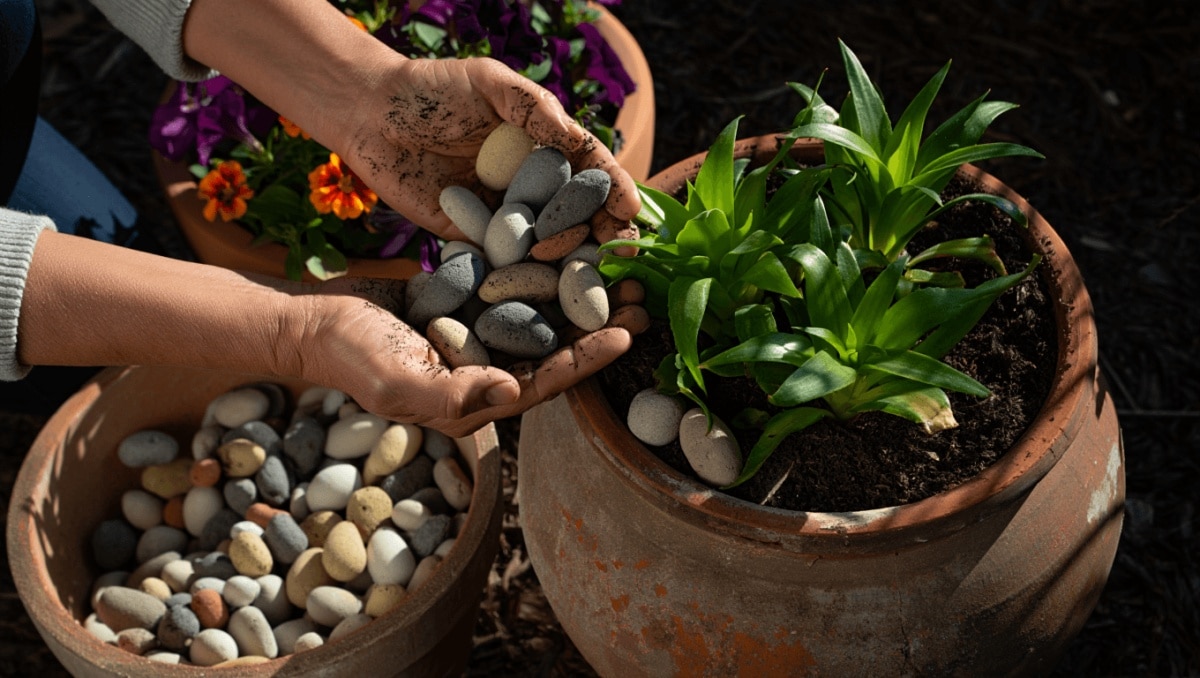
- Topdress container plants for better drainage and a finished look.
- Fill spaces between larger boulders to add contrast and texture.
- Refresh flower beds where improved drainage and aeration help roots.
- Line paths or borders when you want a softer, more organic aesthetic than crushed stone.
Pumice works especially well when paired with succulents, Mediterranean plants, and mixed rock gardens. It’s less suited for areas that need a very polished finish.
Installation tips and maintenance for best results
Plan how thick to lay pumice and whether to pair it with fabric or mulch.
- For beds, 1–2 inches often suffices as a top layer.
- In containers, a ½- to 1-inch layer helps drainage and reduces soil splash.
- Use landscape fabric if you want extra weed control, but avoid sealing off all airflow.
- Combine sizes for a natural look: mixing small pumice with larger pieces adds depth.
- Rake occasionally to remove debris and redistribute stones that shift over time.
Costs, longevity, and when not to use pumice
Pumice can cost more than common gravel. It also slowly breaks down over many years. That said, its benefits for soil health and plant vigor often offset the price for gardeners focused on results. Avoid pumice if you need a uniform, highly polished surface for driveways or formal hardscapes.
Where to buy pumice and what to ask for
Look for pumice at garden centers, landscape supply yards, or online landscape retailers. Ask about particle size and whether the product is screened for consistency. Some suppliers sell blends labeled for container use or soil amendment. Buying a sample helps you confirm color and texture before a large purchase.