Show summary Hide summary
- Why landscape fabric often fails gardeners
- Where landscape fabric still makes sense
- Step-by-step: removing landscape fabric safely
- Practical, eco-friendly alternatives to landscape fabric
- How to install biodegradable barriers the right way
- Disposal and reuse ideas for old fabric
- Maintenance expectations with alternative methods
Garden beds look best when plants thrive and weeds stay out. Many gardeners reach for landscape fabric to silence weeds fast. But this quick fix often creates new problems for soil health, plant growth, and long-term maintenance. Read on to learn why fabric can do more harm than good, how to remove it properly, and which eco-friendly replacements actually help your garden flourish.
Why landscape fabric often fails gardeners
Landscape fabric is marketed as a permanent weed barrier. In practice, it rarely lives up to that promise.
Red lawn flag meaning: what it signals and what to do
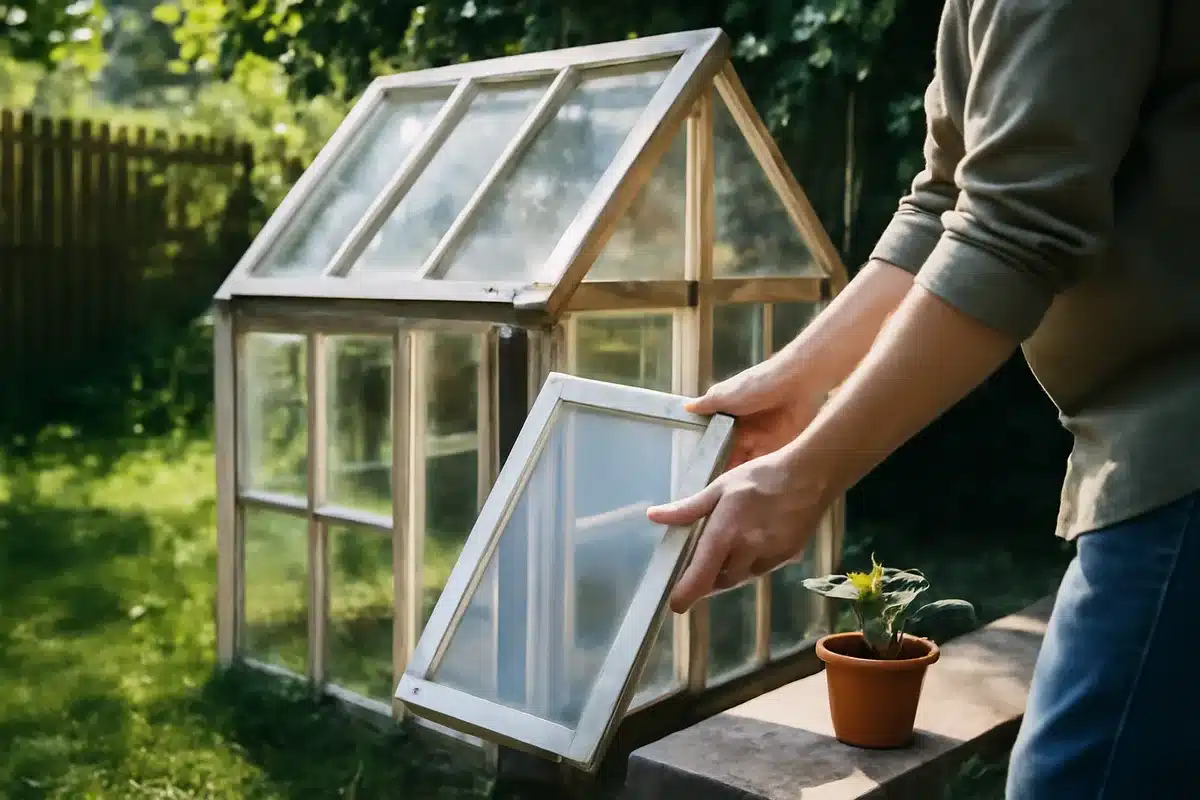
Old windows turn into jaw-dropping DIY greenhouse: upcycler’s incredible transformation
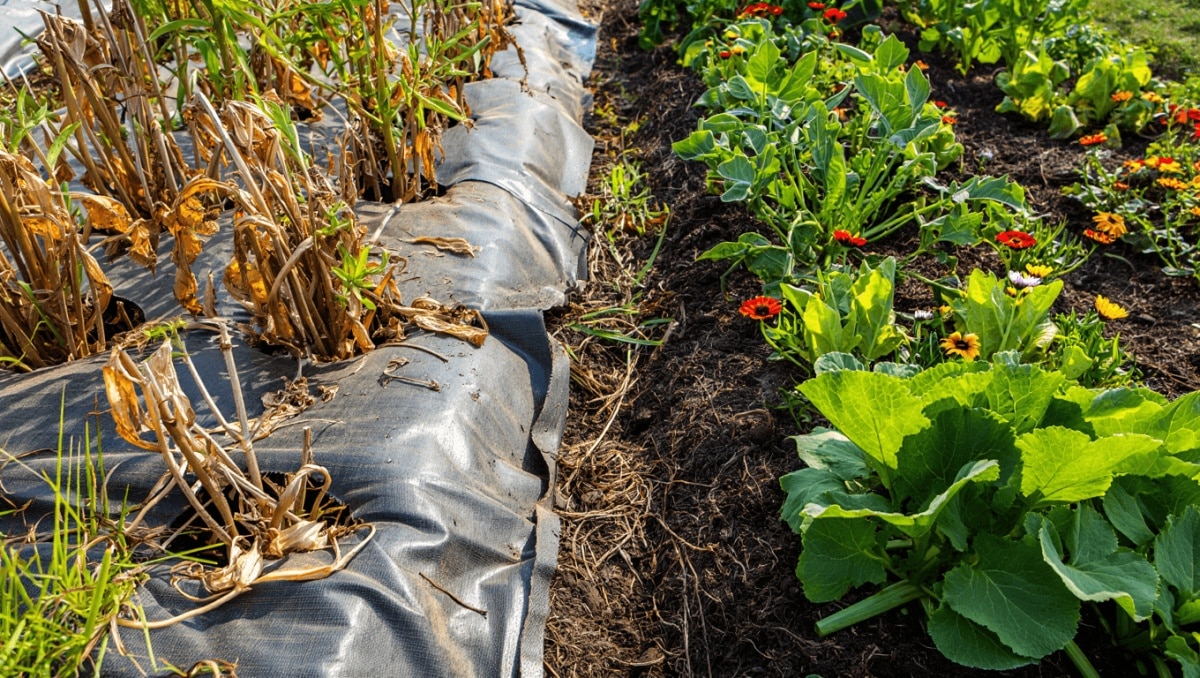
- Clogs and poor soil exchange: Tiny pores can fill with dirt and organic matter. Water, air, and amendments then struggle to reach roots.
- Weeds in the mulch: Once you cover fabric with mulch, many weeds will germinate in the mulch layer, making the fabric irrelevant.
- Sun damage and tearing: Exposed fabric degrades under UV light. Rips and thin spots let weeds push through.
- Hinders long-term soil health: Fabric limits natural processes like earthworm activity and microbial exchange.
- Disposal problems: Most landscape fabric is not recyclable and becomes landfill waste if removed.
Where landscape fabric still makes sense
Fabric isn’t always useless. There are niche uses where it can help without hurting plants.
- Under patio stones or heavy pavers to limit weeds beneath hardscape.
- Beneath decorative rock in areas without planted beds.
- Around outbuildings or under play equipment where soil life is less important.
Use fabric only in sheltered, non-planted zones. Avoid it under mulch in active beds.
Step-by-step: removing landscape fabric safely
Take time to pull fabric out carefully to avoid leaving fragments in the soil.
- Clear the top layer. Move mulch, stones, and plants to a safe spot nearby.
- Cut the fabric into strips if needed. Shorter pieces are easier to lift.
- Pull up the fabric slowly. Use gloves, a flat shovel, or pruning shears for stubborn spots.
- Collect every scrap. Bag pieces immediately to prevent plastic contamination.
- Dispose responsibly. Check local rules — most municipalities require landfill disposal for this material.
Tip: If roots grew through the fabric, cut them rather than yanking.
Refreshing the soil after removal
- Aerate compacted areas with a garden fork or aerator.
- Spread 2–4 inches of compost to rebuild soil biology.
- Topdress with slow-release fertilizer if plants show nutrient stress.
- Observe drainage for a few weeks to catch any lingering compaction issues.
Practical, eco-friendly alternatives to landscape fabric
These options control weeds while supporting soil life.
- Cardboard: Readily available and biodegradable. Lay overlapping sheets and wet them down. Cover with mulch.
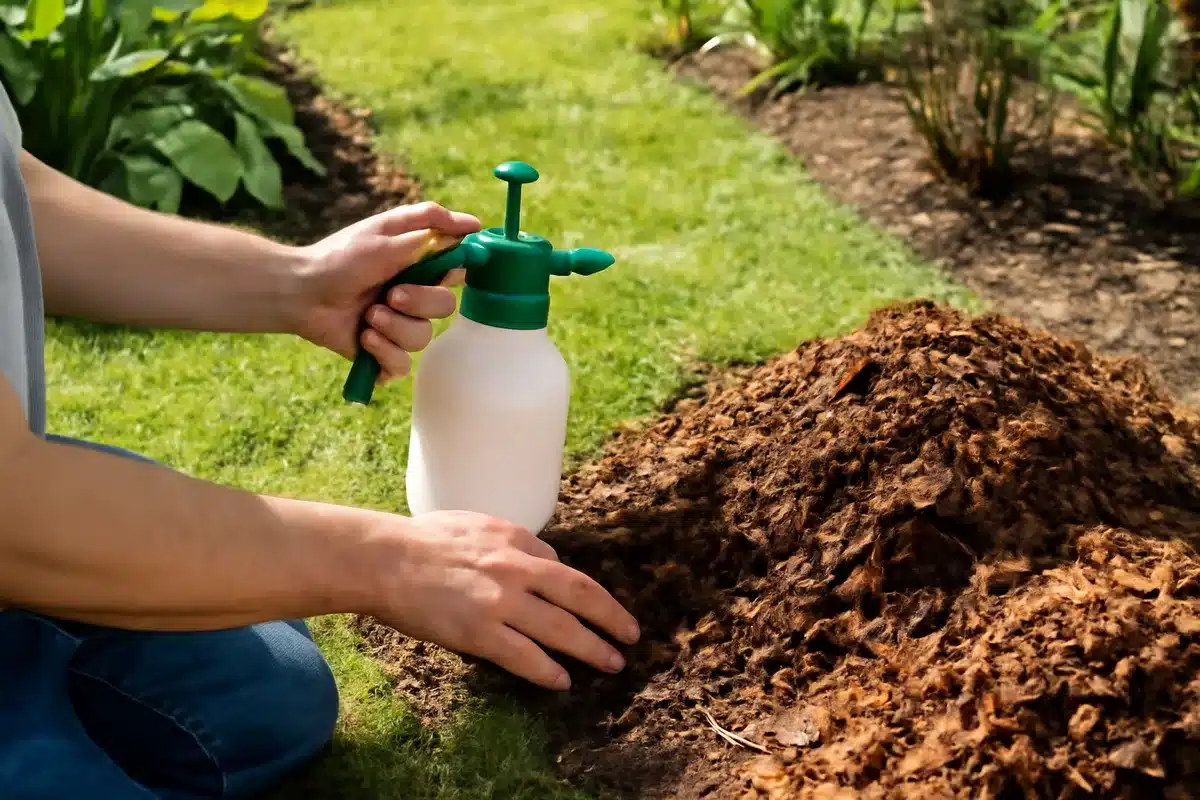
- Thick organic mulch: Wood chips, shredded bark, or composted mulch suppress weeds and feed the soil.
- Pine straw or straw: Lightweight and easy to refresh. Good for beds and around shrubs.
- Living groundcovers: Low-growing plants that outcompete weeds once established.
All organic barriers break down. Expect to refresh mulch and cardboard every year or two. Hand-pulling occasional weeds remains necessary.
How to install biodegradable barriers the right way
- Weed the bed first. Remove roots and perennial runners.
- Lay cardboard or a 3-inch mulch layer over bare soil.
- Maintain a 3-inch depth of wood chips or similar mulch for best suppression.
- Replenish mulch annually to sustain weed control and soil health.
Pro tip: Avoid piling mulch directly against stems or trunks to prevent rot.
Disposal and reuse ideas for old fabric
- Bag and throw away in accordance with local waste rules.
- Repurpose intact sections beneath a shed floor or under heavy pavers in non-plant areas.
- Use strips as temporary erosion control on small slopes, then remove once vegetation establishes.
Never leave shredded pieces in beds. Small fragments can persist and harm soil ecology.
Maintenance expectations with alternative methods
Switching to organic barriers shifts work rather than eliminates it. Expect:
- Periodic topping up of mulch.
- Some hand-weeding in spring and fall.
- Improving soil structure and fertility over time.
These trade-offs reward you with richer soil and healthier plants, instead of a short-term fix that can cause long-term damage.