Show summary Hide summary
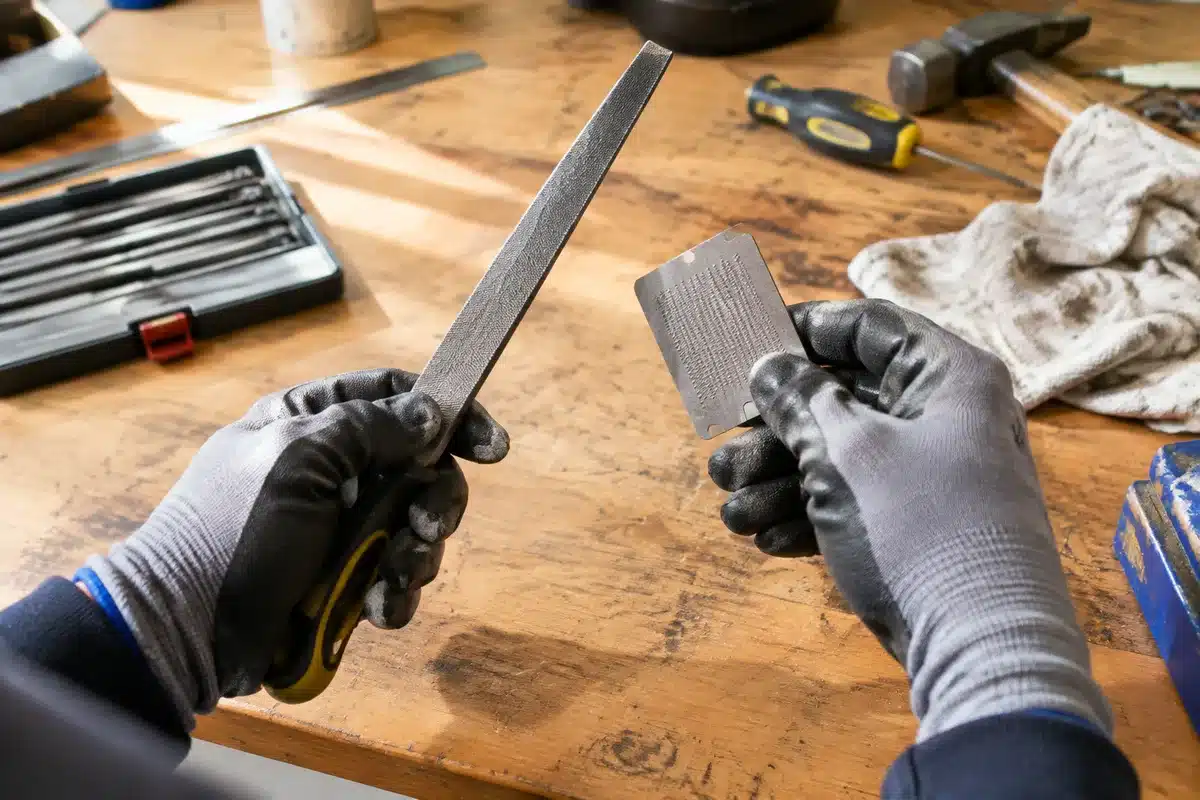
You might pass it on a hardware shelf and think it’s a weird toothbrush. In truth, that compact tool is a file card, and it quietly fixes a frequent workshop annoyance: clogged file teeth. Small, cheap, and easy to use, a file card keeps metal and wood files cutting like new.
Why every toolbox benefits from a file card
Large clothespins hack: transform them into unique home decor
Porch lights: dollar tree DIY turns boring string lights into instant curb appeal
Files do the heavy lifting when you shape metal, trim pipes, or touch up lawn mower blades. But their teeth trap chips and dust. Over time those particles fill the gaps and blunt the tool’s action.
A file card restores cutting power fast. It removes embedded debris without damaging the teeth. That saves time and reduces the need to replace files prematurely.
These brushes usually have short, stiff bristles set into a flat head with a handle. Some models add a soft brush on the opposite side for sweeping away loose dust. Many cost under ten dollars and last for years.
How to clean a metal file the right way
Cleaning a file with a card is quick once you know the technique. Follow these clear steps for the best result.
- Inspect the file’s tooth pattern. Look for diagonal or straight rows.
- Secure the file on a bench or hold it firmly with the handle. A flat surface helps.
- Brush in the same direction as the tooth pattern. This avoids packing debris deeper.
- Use short, vigorous strokes. Work from the base toward the tip.
- Flip the file and repeat if the pattern differs on the other face.
- Wipe the surface with a rag or compressed air to remove remaining dust.
If brushing does not restore the bite, the file may be worn out. Trying to force a dull file wastes time. Replace it when the teeth no longer grip metal or wood effectively.
Picking the right file card: features to look for
Not all file cards are identical. Choose one based on the work you do.

- Metal-bristle cards fit tightly spaced teeth on metal files.
- Cards with an added soft-bristle brush help clear wood or plastic shavings.
- Smaller cards reach narrow surfaces and curved files.
- A comfortable handle reduces hand fatigue during repeated use.
For general shop use, a basic metal-bristle card covers most needs. If you switch between metalwork and woodworking often, keep a dual-purpose card or two different brushes on hand.
File card versus wire brush and other cleaning options
People sometimes reach for a wire brush, a toothbrush, or compressed air to unclog files. Each tool has limits.
- File card: Best for fine, closely spaced teeth on metal files.
- Wire brush: Works for coarse wood files and rasps, but bristles may not reach tight gaps.
- Toothbrush or stiff nylon brush: Useful for light cleaning, not for heavy-packed debris.
- Compressed air: Removes loose dust but won’t dislodge packed chips between teeth.
Choose a file card when you face fine debris lodged deep in the tooth pattern. It reaches the small channels that other brushes miss.
Real-world uses: plumbing, lawncare, woodworking
Tradespeople and hobbyists find file cards handy in many settings.
- Plumbers use files to deburr copper and PVC after cutting pipe. Plastic shavings can clog a file fast.
- Gardeners and landscapers sharpen mower blades by hand. A clean file makes for quicker, cleaner edges.
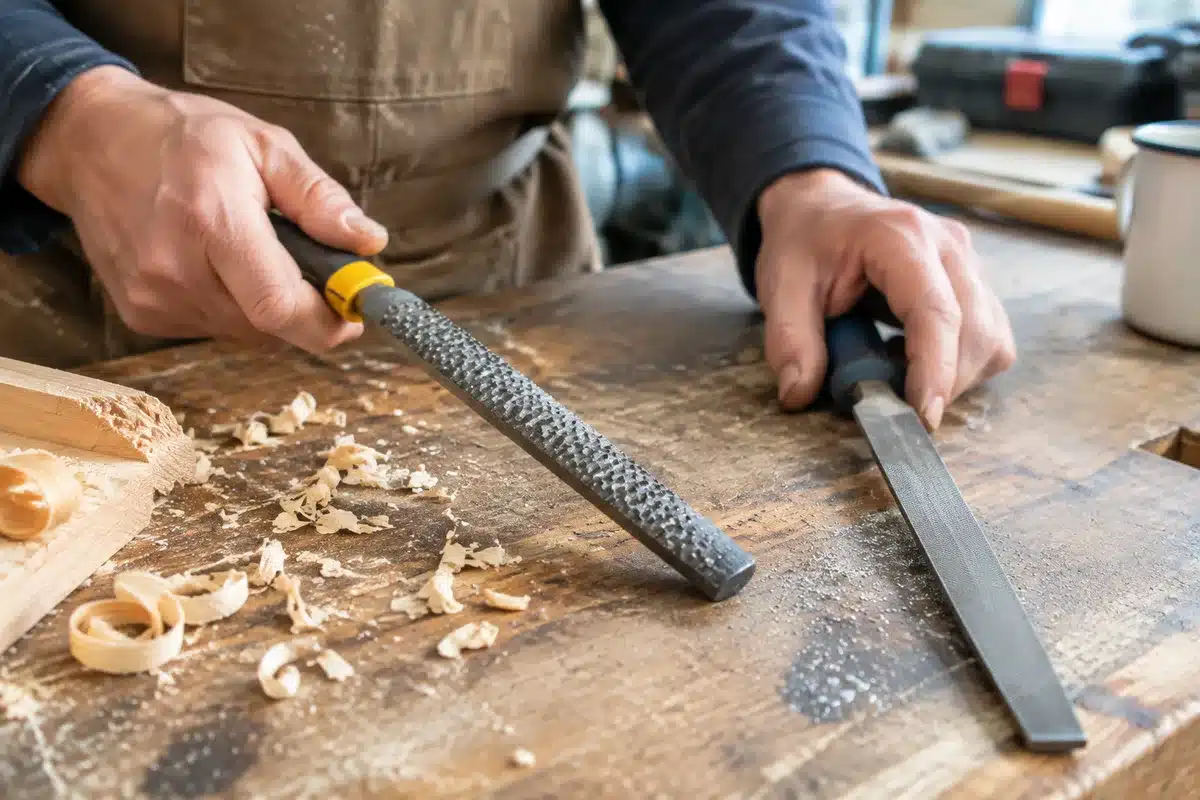
- Woodworkers clear softwood dust from file teeth during finish work or small shaping tasks.
Because a file card is small, it travels easily in a tool bag. That convenience makes it a favorite for on-site repairs and quick shop jobs.
When a file card can substitute for other tasks
Skilled makers often repurpose tools. A file card can smooth small splinters or tidy an edge in a pinch. It is not a replacement for rasps or sanding when heavy material removal is needed.
Use it for maintenance and light cleanup, not for heavy shaping. That keeps the file card in its role: a precision cleaning tool that extends the life of your files.